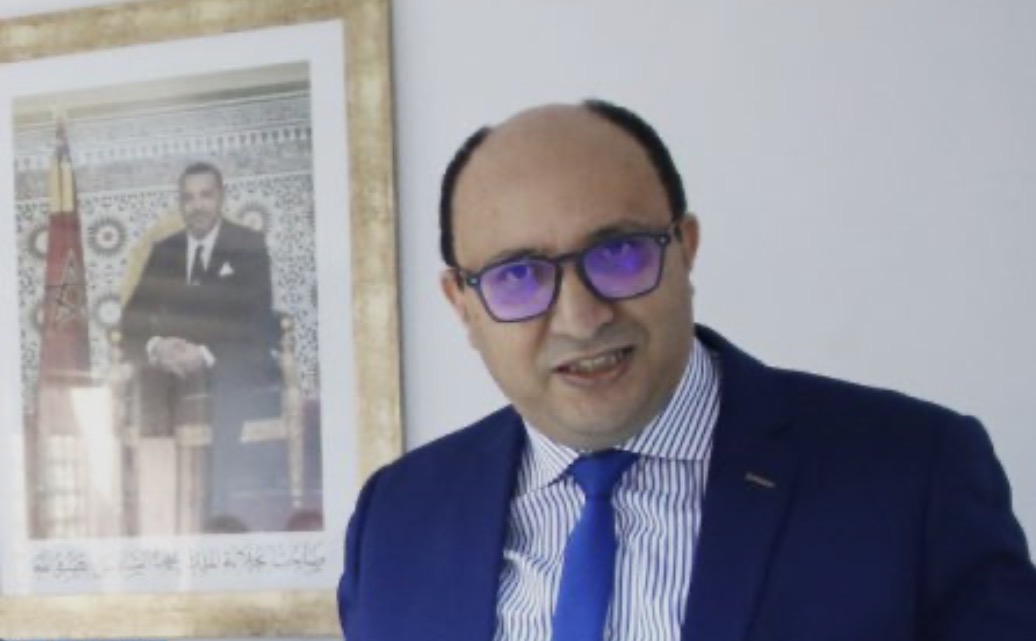
Kamel Ben Younes at the Algiers International Book Fair: Ahmed Taleb Ibrahimi Brought Together National Identity, Modernisation and State-Building
The Tunisian academic and journalist recalls the role of the newspaper “Assabah” in supporting the Algerian Revolution and announces his new book on the trajectories of reformers, intellectuals and statesmen in Tunisia, Algeria and Libya
Algiers – Africa News Info
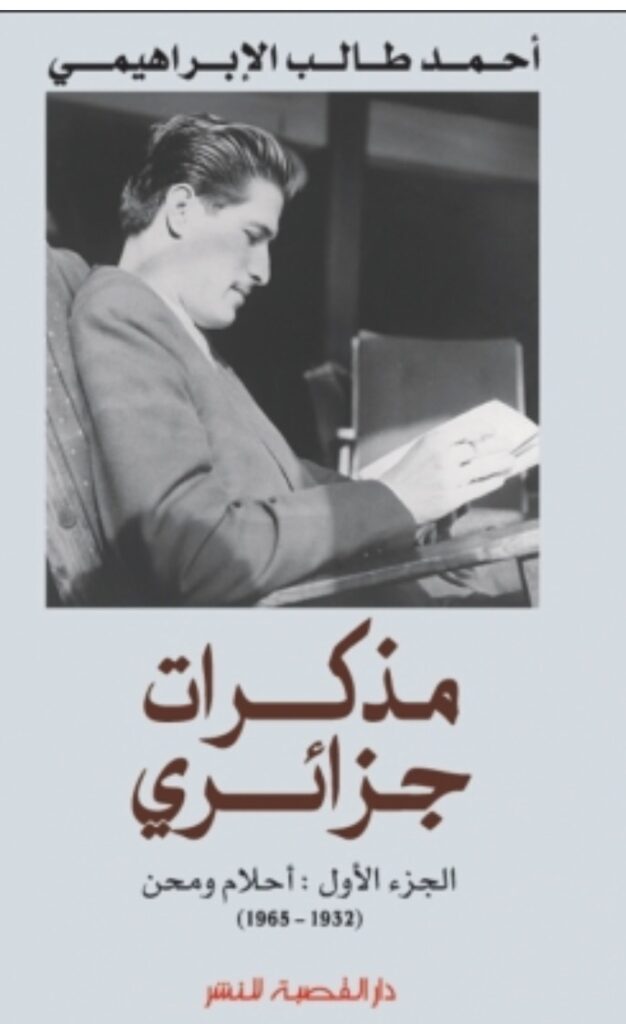
In an address combining personal testimony, historical interpretation and intellectual analysis, Tunisian academic and journalist Kamel Ben Younes highlighted the depth of the militant and cultural ties between Tunisia and Algeria. He recalled his longstanding relationship, dating back to the 1990s, with the late Algerian thinker, politician and diplomat Ahmed Taleb Ibrahimi, stressing the importance of reclaiming the shared Maghreb memory as a starting point for understanding the experiences of reform, national liberation and the building of the modern state.
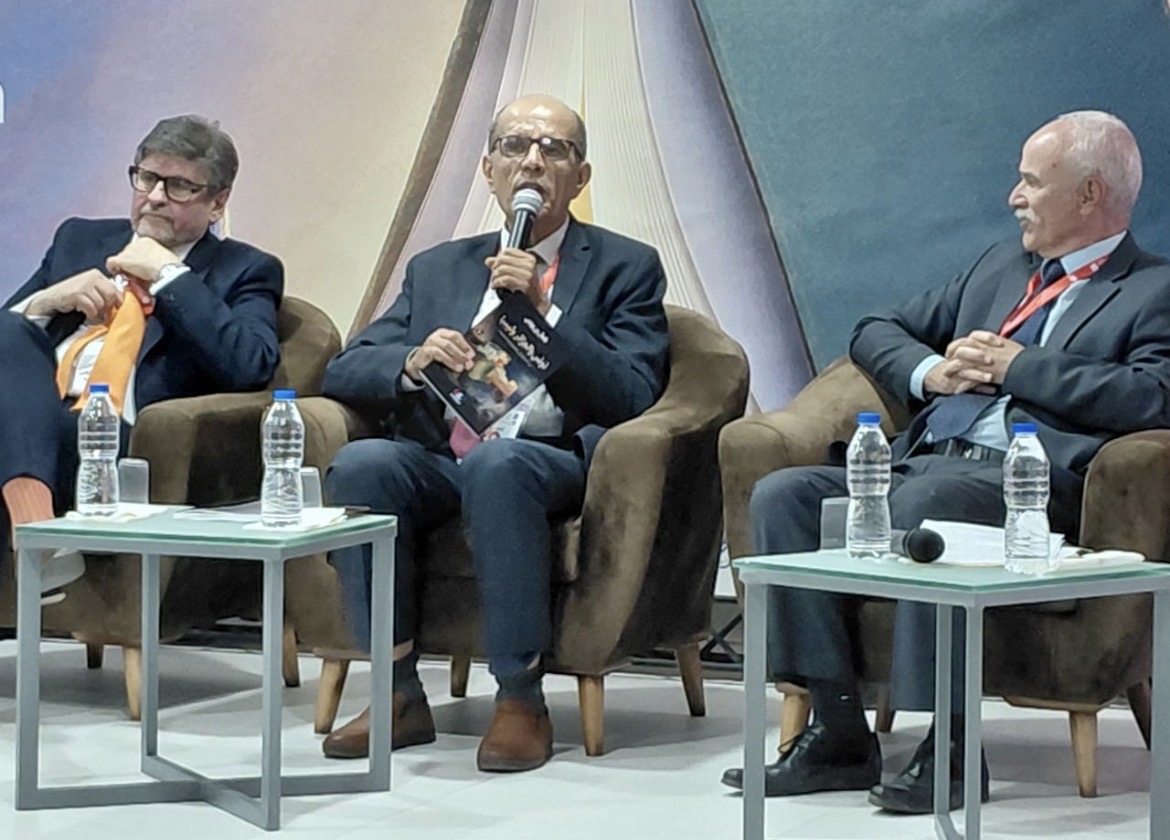
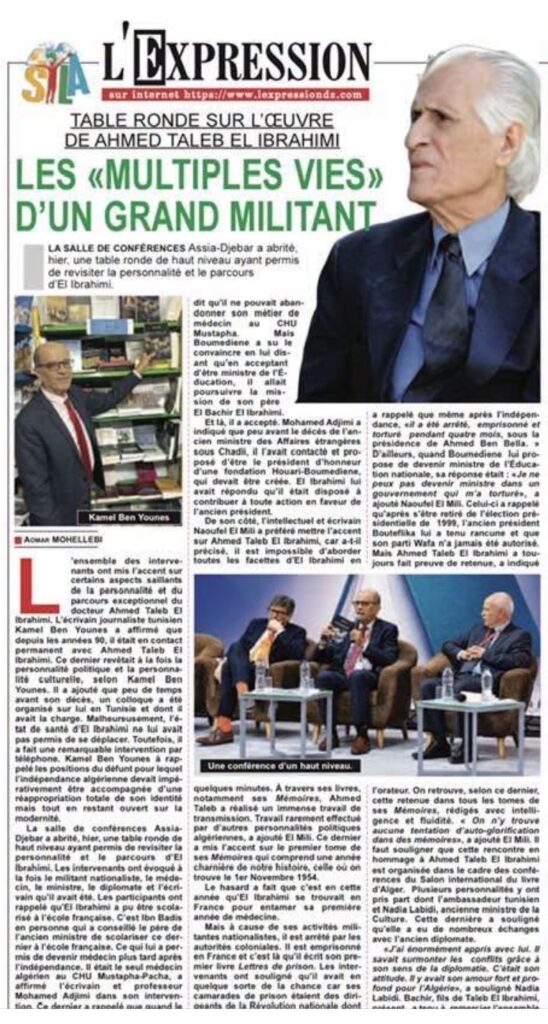
Ben Younes delivered his address during a seminar entitled “Ahmed Taleb Ibrahimi… Trajectories”, held in the Assia Djebar Grand Conference Hall at the Palais des Expositions in Pins Maritimes, in the Algerian capital, on Monday, 2 November 2026, as part of the 29th edition of the Algiers International Book Fair.
The seminar brought together several academic, media and diplomatic figures, including researcher Ahmed Azimi, writer Noufel Mili, journalist Ahmed Fetani and diplomat Mourad Adjabi. The session was moderated by journalist and academic Rima Rouaibi.
The seminar provided an opportunity to revisit the multifaceted career of Ahmed Taleb Ibrahimi, who combined national activism, medical practice, government and diplomatic responsibilities, and intellectual contributions, while witnessing and engaging with key stages in contemporary Algerian history.
Tunisian-Algerian Relations: A Shared National and Historical Struggle
In his address, which concluded the seminar, Kamel Ben Younes adopted a Maghreb-wide historical approach. Beginning with Ahmed Taleb Ibrahimi’s experience, he examined Tunisian-Algerian relations and the interplay between national struggle, political action, and cultural and intellectual reform that has shaped them.
He stressed that relations between the Tunisian and Algerian peoples cannot be reduced to mere mutual solidarity during periods of crisis or confrontation with colonialism. Rather, they are rooted in a long history of interaction, complementarity and a shared path of struggle.
In this context, he recalled the role played by Tunisia during the Algerian War of Liberation, when the country became a centre for the political, organisational and diplomatic activities of Algerian revolutionaries. Tunisia hosted institutions and leading figures who contributed to directing the struggle for independence. Among these was the headquarters of the Algerian armed struggle command, located in Ghardimaou, along the Tunisian-Algerian border, where leader Houari Boumediene’s residence was situated. This headquarters has since become a military museum dedicated to shared Tunisian-Algerian memory.
He also highlighted that interaction between the Tunisian and Algerian national movements was not confined to the political and military spheres, but also involved cultural, reformist and media elites who helped spread national awareness and resist colonialism.
The Tunisian Newspaper “Assabah”: A Platform for National Liberation Movements and Algerian Intellectuals
Kamel Ben Younes devoted a substantial part of his address to recalling the role of the Tunisian press in supporting national liberation movements in Algeria and across the Maghreb region. He considered the media one of the most prominent fields of solidarity and interaction between peoples and national elites during the colonial period.
He explained that Tunisian newspapers gave extensive coverage to developments in the Algerian Revolution, frequently devoting entire pages to reporting on the progress of the liberation struggle, presenting the positions of its political and military leaders, and conveying news of the Algerian resistance to Tunisian, Maghreb and Arab public opinion.
In his address and in his new book, Ben Younes pointed out that the Tunisian newspaper “Assabah”, whose editor-in-chief he had previously been, had served since its establishment in 1951 as a platform for national liberation movements across the region, particularly in the Maghreb countries, and as a media and intellectual space that welcomed contributions from a number of Algerian nationalist intellectuals and activists.
In this regard, he revealed that among the most prominent contributors to the newspaper and its editorial team were approximately fifteen Algerian nationalist intellectuals, including journalist, intellectual and activist Mohamed Mili Ibrahimi, who was entrusted with key editorial responsibilities at the newspaper during one period.
Mohamed Mili’s experience holds particular significance in the history of interaction between the Tunisian media and the Algerian national movement, given his career, which brought together journalism, national activism, and political, diplomatic and cultural responsibilities.
Mili contributed to the media coverage of the Algerian Revolution and worked for its newspapers and media institutions. Following independence, he assumed prominent positions in the Algerian press, including serving as editor-in-chief and director of the newspapers “El Moudjahid” and “Echaâb”, in addition to holding responsibilities at the Algerian News Agency and media training institutions.
Among the notable historical ironies recalled by Ben Younes was Mohamed Mili’s return to Tunisia in the late 1980s, this time as Ambassador of the Republic of Algeria, after having first known the country during the period of national struggle and journalistic activity.
Mili subsequently moved from diplomatic work to government service when he was appointed Algeria’s Minister of National Education in 1989. He later returned to Tunisia to assume the position of Director-General of the Arab League Educational, Cultural and Scientific Organization (ALECSO), whose headquarters are located in the Tunisian capital.
This career, encompassing journalism, activism, diplomacy, education and culture, illustrates one dimension of the historical interconnection between Tunisian and Algerian elites. It also reflects the role played by media and cultural institutions in building bridges of communication between the two countries.
This testimony highlights the importance of revisiting the archives of the Tunisian press, particularly those of the newspaper “Assabah”, in order to examine the contributions of Algerian intellectuals and journalists to Tunisia’s media and intellectual life and document their role in raising awareness of the Algerian cause and supporting national liberation movements.
From the MALG Headquarters to the Institutional Memory of the Algerian Revolution
One of the main issues raised by the Tunisian researcher was the historical role played by Tunisia in hosting some of the central structures of the Algerian Revolution.
He noted that the headquarters of the Algerian Consulate General in Tunisia had previously housed the Ministry of Armament and General Liaison, known as the “MALG”, which was associated with the name of Abdelhafid Boussouf, one of the leading figures responsible for communications and intelligence services during the Algerian Revolution.
He also praised the efforts made by Algeria’s Consul General, Nasreddine Laraba, to collect photographs and historical documents relating to the Provisional Government of the Algerian Republic and the Ministry of Armament and General Liaison. These efforts gave the premises a documentary and museum dimension, bringing to life important stages of shared national memory.
The significance of these initiatives goes beyond simply preserving documents and photographs. They enable younger generations to discover the network of relations and institutions that contributed to organising the Algerian Revolution from Tunisian territory.
Personal Testimony: An Intellectual Relationship with Ahmed Taleb Ibrahimi Since the 1990s
Kamel Ben Younes’s address was not limited to reviewing the historical ties between Tunisia and Algeria. It also included a personal account of his relationship with Ahmed Taleb Ibrahimi.
Ben Younes affirmed that he had remained in contact with Ahmed Taleb Ibrahimi since the 1990s, and that this relationship had allowed him to gain close insight into Ibrahimi’s political and cultural personality, as well as his positions on issues of national identity, reform and modernisation.
He noted that Ibrahimi brought together the qualities of a politician and an intellectual, and that his vision of national independence was not confined to the restoration of political sovereignty. It also rested on the need to reclaim Algeria’s national identity while maintaining openness to modernity.
This testimony highlights a fundamental aspect of Ibrahimi’s thought: the connection between national liberation and cultural liberation, and between building state institutions and reclaiming the civilisational and linguistic foundations of Algerian society.
Ben Younes also recalled a seminar organised in Tunisia in honour of Ahmed Taleb Ibrahimi before his death, for which the Tunisian researcher had been responsible. Ibrahimi’s health condition prevented him from travelling to attend in person, but he contributed to the proceedings through a notable telephone address.
This episode reflects the continuation of intellectual and cultural exchanges between Ibrahimi and Tunisian academic and media circles during the final years of his life.
Identity and Modernity in Ahmed Taleb Ibrahimi’s Thought
One of the most prominent intellectual dimensions of Kamel Ben Younes’s testimony was his emphasis that Ahmed Taleb Ibrahimi did not regard national identity and openness to the contemporary world as two contradictory choices.
His intellectual and political project was closely linked to defending Algeria’s national character and upholding the importance of the Arabic language and national culture, without this implying isolation or closure to other intellectual and civilisational experiences.
This orientation can be understood in the context of the reformist legacy represented by his father, Sheikh Mohamed Bachir Ibrahimi, one of the leading figures of the Association of Algerian Muslim Scholars, which contributed to defending education, the Arabic language and cultural identity during the colonial period.
Furthermore, Ahmed Taleb Ibrahimi’s scientific and cultural education, his familiarity with Western thought and his medical studies in France enabled him to draw on multiple cultural influences and seek a formula reconciling national civilisational references with the requirements of building a modern state.
This issue is particularly important in studying the experiences of nation-building in the Maghreb, where questions of identity, language, education, development and modernisation have been intertwined since independence.
From this perspective, Ahmed Taleb Ibrahimi emerges as an example of the interaction between the reformist legacy, national action and the exercise of political and diplomatic responsibilities.
Kamel Ben Younes’s New Book: From Reform to Resistance and State-Building
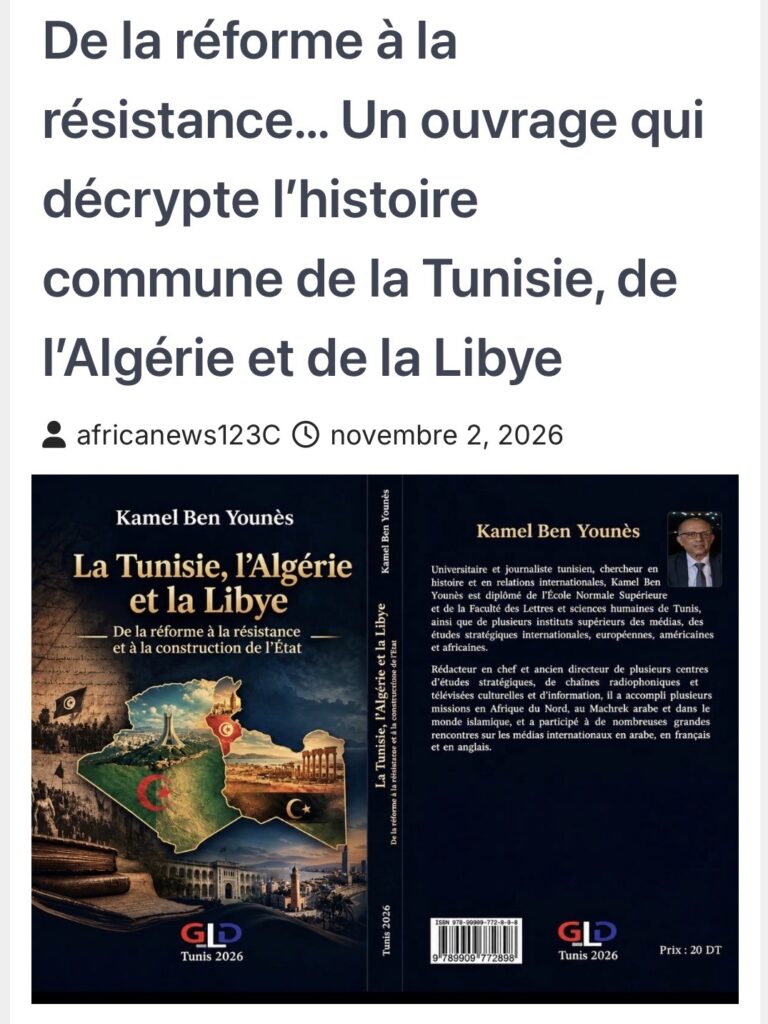
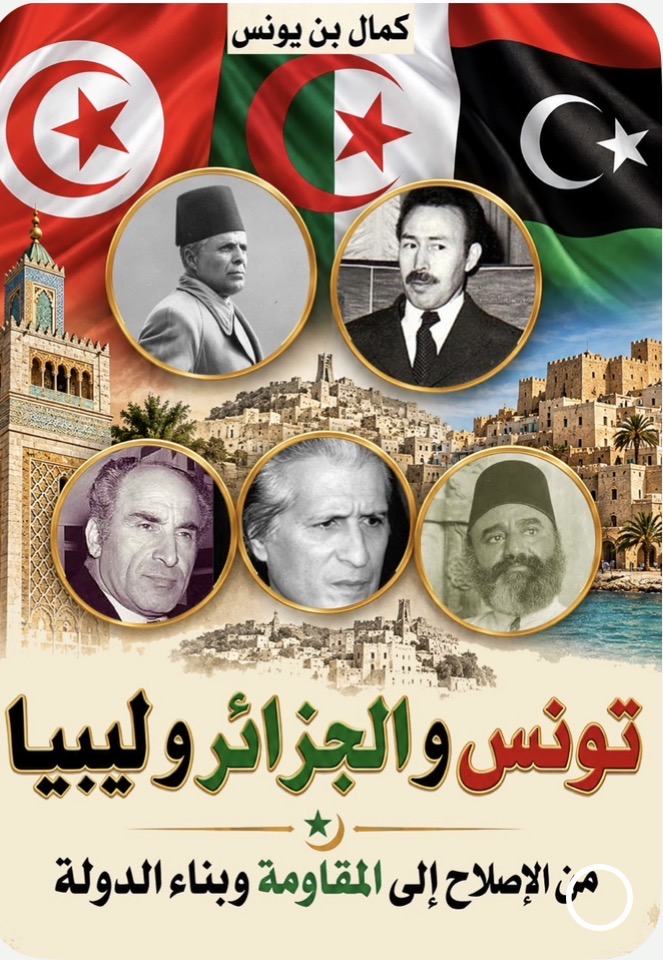
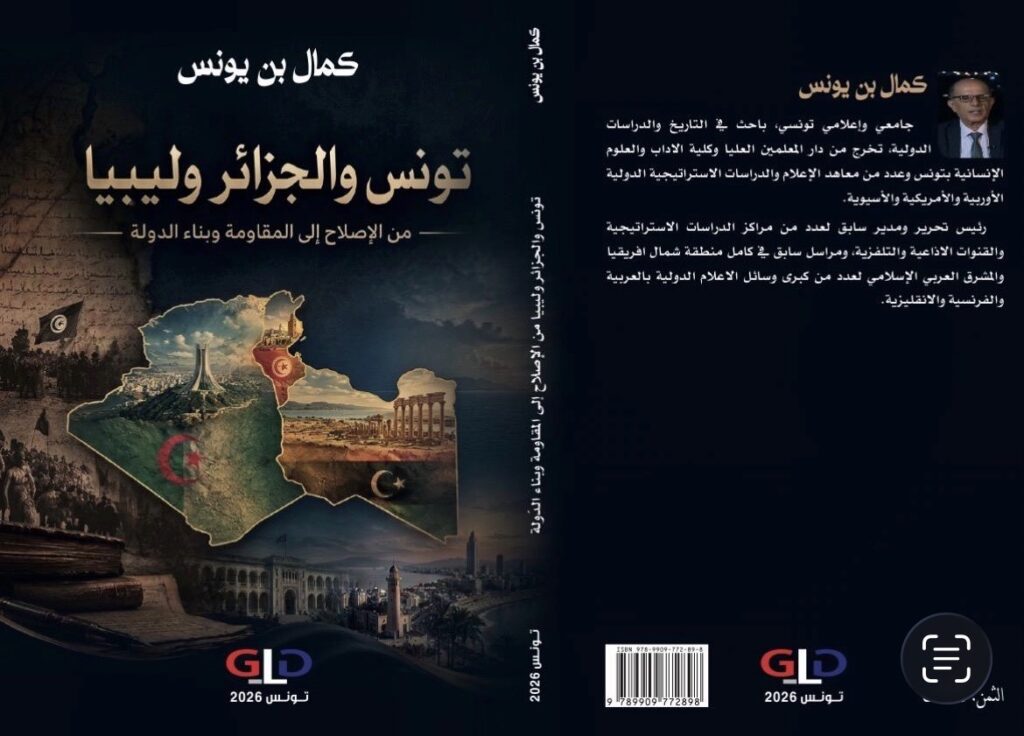
At the conclusion of his address, Kamel Ben Younes announced the publication of his new intellectual work entitled:
“Tunisia, Algeria and Libya: From Reform to Resistance and State-Building”.
The book examines the cultural, intellectual and political interactions between reformist and national experiences in the three Maghreb countries. It focuses on the links between pioneers of reform, renaissance and national liberation, as well as the transformations that accompanied the transition from reformist calls to resistance against colonialism and, subsequently, the establishment of the national state.
Ben Younes explained that his book devotes an entire chapter to Ahmed Taleb Ibrahimi, examining his career as an activist, intellectual and statesman. Other chapters also explore aspects of his cultural, reformist and political trajectory within a comparative historical and intellectual approach that highlights the points of convergence between his experience and those of several Maghreb reformers and intellectuals who combined their commitment to an Arab-Islamic national identity with engagement in the processes of modernisation, reform and nation-building.
In this context, he mentioned prominent Tunisian figures who held senior responsibilities in the fields of education, culture and state affairs, including Mohamed Mzali, Mahmoud Messadi and Béchir Ben Slama, alongside a group of thinkers, writers and reformers who contributed to the Tunisian-Maghreb journal “Al-Fikr” (1955–1986). The journal represented a space for cultural and intellectual dialogue among Maghreb elites and for reconciling authenticity, renewal and openness to the contemporary world.
This comparison demonstrates that Ahmed Taleb Ibrahimi’s experience was not isolated from the intellectual and political transformations witnessed by the Maghreb region. Rather, it formed part of a broader trajectory of national and reformist elites who sought to build the modern state on the basis of their civilisational and cultural references while benefiting from the achievements of contemporary thought and institutions of education and modernisation.
The significance of this work lies in its adoption of a comparative Maghreb perspective, which makes it possible to study the region’s political and intellectual history as a series of interacting experiences rather than merely as separate national histories.
Research into these relations also opens the way to a broader understanding of the roles played by scholars, intellectuals, journalists and politicians in shaping the reformist and national projects that Tunisia, Algeria and Libya experienced during the nineteenth and twentieth centuries.
Other Contributions: From Physician and Activist to Minister and Diplomat
Kamel Ben Younes’s contribution intersected with the testimonies and perspectives presented by the other participants in the seminar.
Researcher Ahmed Azimi addressed the diversity of roles assumed by Ahmed Taleb Ibrahimi, from medicine and activism to education, culture and diplomacy. He reviewed aspects of Ibrahimi’s experience within the Algerian government after independence, as well as the challenges facing the education sector during the 1960s.
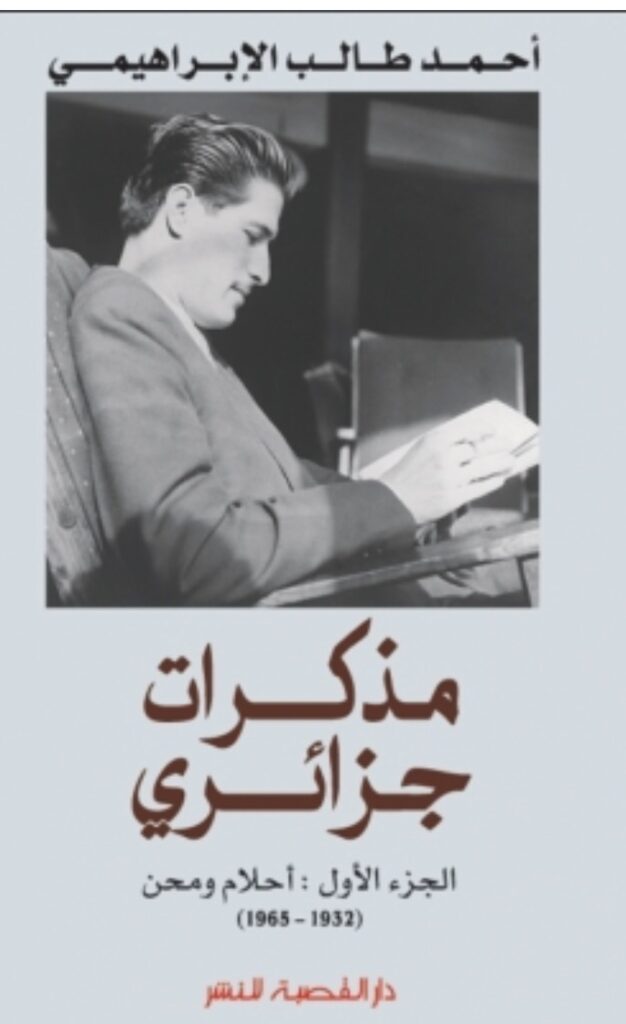
Noufel Mili, for his part, focused on Ibrahimi’s intellectual output and memoirs, considering them an important source for understanding certain stages of Algerian history, particularly those relating to the national movement, the liberation revolution and the political transformations that followed independence.
The seminar also recalled Ibrahimi’s diplomatic experience and his positions on peoples’ right to self-determination, as well as his presence in Algerian political life during the 1990s.
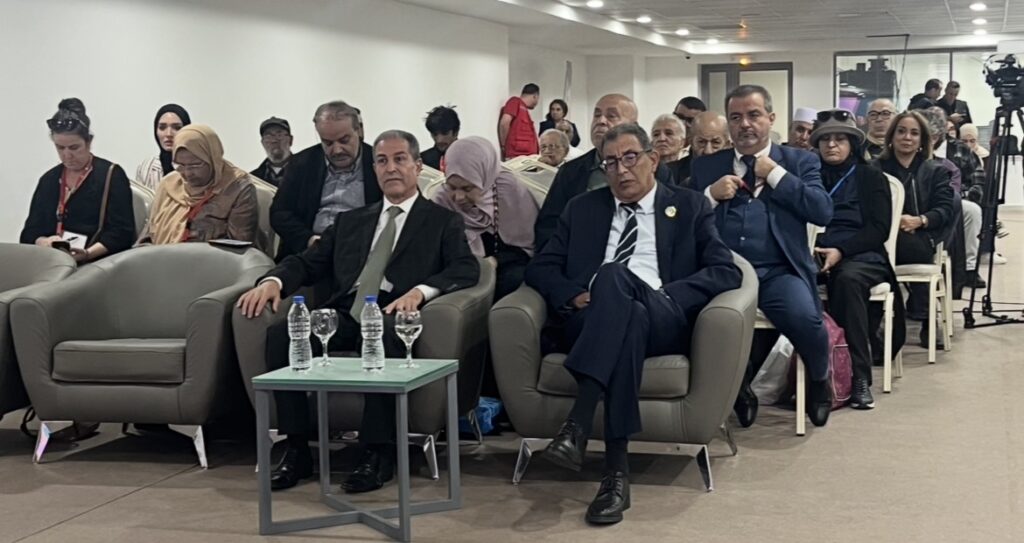
Several political, cultural and diplomatic figures attended the meeting, including former minister Nadia Labidi, who recalled her experience of dealing with Ibrahimi, praising his diplomatic approach and his ability to handle disagreements.
The Maghreb Dimension of the Seminar: From Recalling the Past to Reflecting on the Future
Kamel Ben Younes’s participation added a Maghreb dimension to the seminar by broadening the discussion from the biography of an Algerian figure to an examination of the ties that brought together national and reformist elites in Tunisia, Algeria and Libya.
Modern Maghreb history reveals a continuous movement of ideas, individuals and institutions across borders, as well as interaction between projects of religious, educational and cultural reform, followed by movements of resistance and national liberation.
References to the experience of the Tunisian newspaper “Assabah”, Mohamed Mili’s media and diplomatic career, and the role of the journal “Al-Fikr” in Maghreb cultural dialogue highlighted how the press, intellectual journals and educational institutions served as essential spaces for communication between elites and for exchanging ideas and reformist projects.
From this perspective, recalling Ahmed Taleb Ibrahimi’s life and work at an international book fair is not merely an occasion to honour a late statesman. It also provides an opportunity to revisit questions relating to preserving memory, writing shared history and the role of intellectuals in building the national state.
Ben Younes’s interest in media and political archives, as well as in intellectual relations between the Maghreb countries, also highlights the need for further comparative studies that transcend national borders and recover the forms of cooperation and mutual influence among the peoples of the region.
Shared Memory and a Renewed Cultural Responsibility
Through the diversity of its testimonies and contributions, the seminar highlighted the different dimensions of Ahmed Taleb Ibrahimi’s personality, whose name is associated with the history of the Algerian struggle and the construction of the state and its institutions. He also left behind books and testimonies that contribute to understanding the political and intellectual transformations experienced by Algeria.
The contribution of Tunisian academic and journalist Kamel Ben Younes stood out for bringing a Maghreb historical perspective to the discussion, drawing on his personal testimony about Ibrahimi and recalling Tunisia’s role in supporting the Algerian Revolution, as well as the contribution of the press and political and cultural institutions to documenting that period.
The announcement of his new book also added a research dimension to his contribution by highlighting the points of convergence between Ahmed Taleb Ibrahimi’s trajectory and those of reformist and modernising elites in Tunisia, Algeria and Libya, particularly figures who combined the defence of an Arab-Islamic national identity with openness to the demands of the contemporary age.
The issues raised confirm that Tunisian-Algerian memory is not merely a record of past events, but a historical and cultural asset that can serve as a foundation for joint research, documentation initiatives and renewed intellectual dialogue between generations.
Thus, the seminar “Ahmed Taleb Ibrahimi… Trajectories” became an opportunity to reassess the experience of an Algerian national figure from a broader perspective, linking reform, liberation and state-building, while reaffirming the historical and intellectual ties that have united the peoples of the Maghreb.