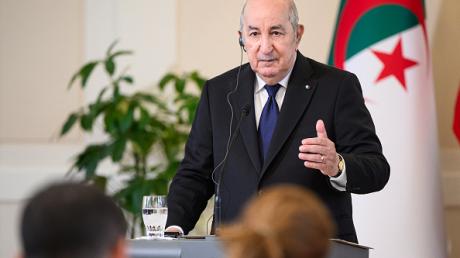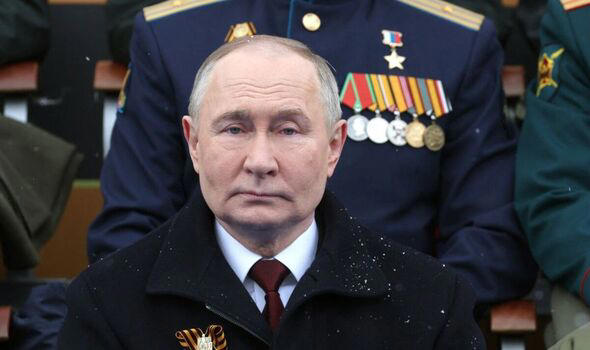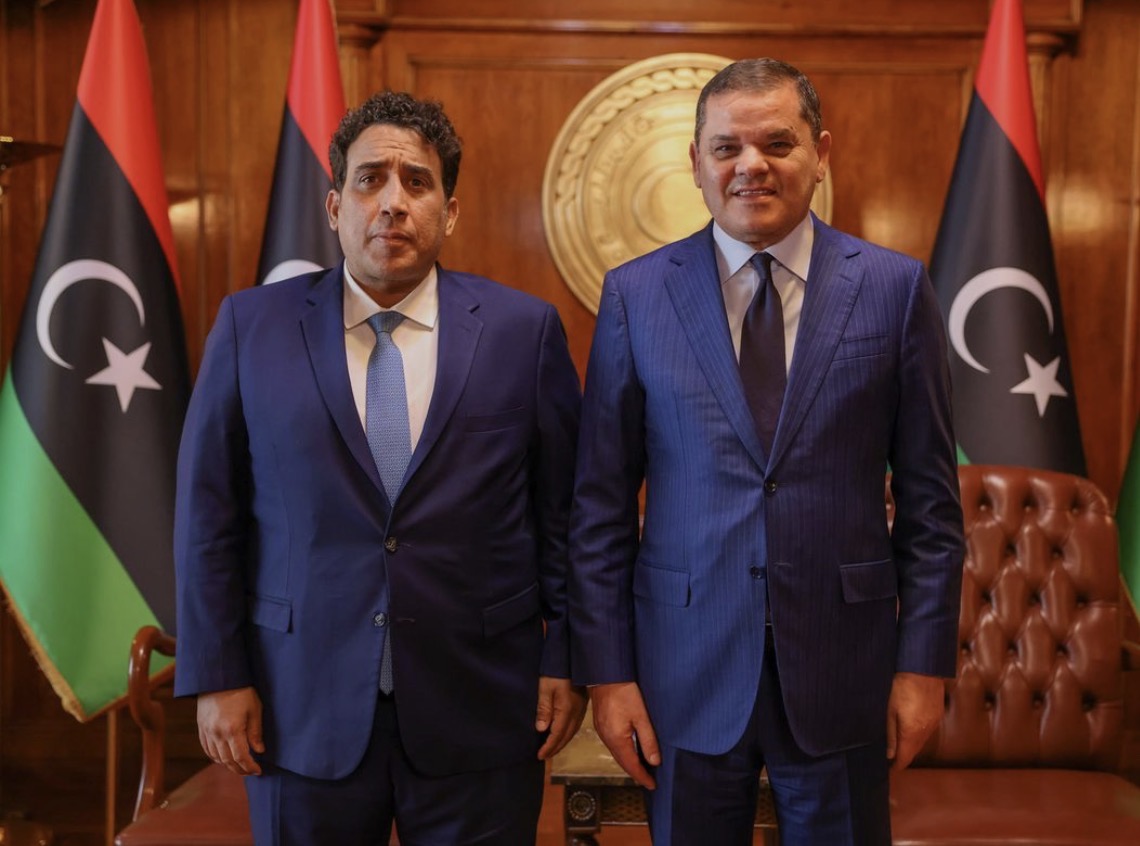
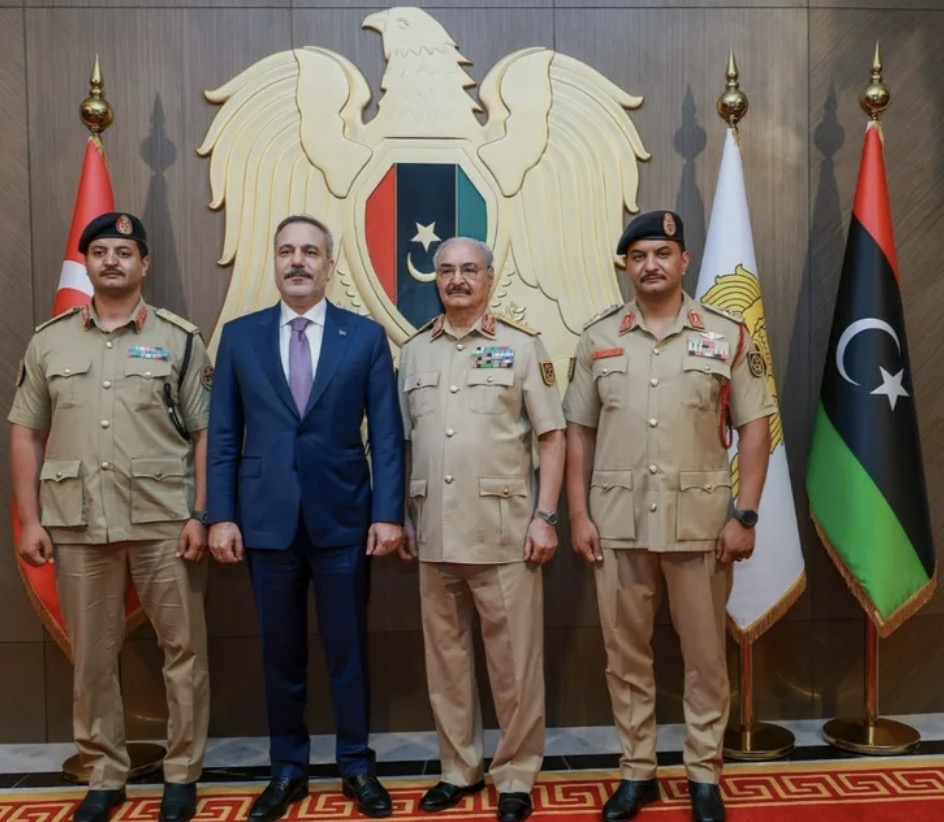
Negotiations in Benghazi between the Turkish Foreign Minister, General Khalifa Haftar, and his two sons, Saddam and Khaled, at Washington’s request.

Libya’s political crisis is entering a new phase of tensions and rivalries, amid accelerating U.S. and Turkish efforts to reshape the political landscape and unify institutions divided between the country’s east and west. This comes alongside warnings from Presidential Council Chairman Mohamed al-Menfi against any understandings reached outside Libya’s institutions and political forces.
Al-Menfi has warned that Libya’s future should not be the outcome of “backroom deals,” stressing that any political settlement must be based on transparency, balance and national participation. Decisions concerning the country’s future, he said, should emerge from Libyan consensus rather than arrangements imposed by external actors.
Al-Menfi’s remarks take on particular significance amid reports of a U.S.
initiative led by Massad Boulos, the U.S. president’s adviser for Arab and African affairs. The initiative reportedly aims to unify the two rival authorities and institutions in eastern and western Libya and create the conditions for national elections.
According to media reports, the proposed formula would involve restructuring the executive branch, with Saddam Haftar, son of Field Marshal Khalifa Haftar, taking over as president of the Presidential Council while Abdelhamid Dbeibah remains prime minister. In practice, this would bring the main centers of influence in eastern and western Libya together within a single political framework.
The initiative comes as part of broader U.S. efforts to unify Libya’s political, economic and security institutions. Boulos has said Washington is seeking to establish a unified government and consolidate the country’s institutions, while simultaneously pushing for inclusive elections. Turkey, Egypt and Saudi Arabia have also taken part in consultations in Cairo, where they reaffirmed their support for Libya’s unity and the unification of its institutions.
Turkey Opens Channels with Both East and West
Meanwhile, Turkey’s position has undergone a notable shift. Ankara is no longer treating eastern Libya simply as the opposing camp to Tripoli. Instead, it is now pursuing parallel lines of engagement one in Tripoli and the other in Benghazi.
In August, Turkish Foreign Minister Hakan Fidan held meetings in Tripoli with Abdelhamid Dbeibah and Mohamed al-Menfi before traveling to Benghazi, where he met Khalifa Haftar, Saddam Haftar and Aguila Saleh. He reaffirmed Turkey’s desire to use its relationships with the various Libyan parties to help unify the country and its institutions.
In June, Turkish intelligence chief Ibrahim Kalin had already met Saddam Haftar in Benghazi before holding talks with Al-Menfi in Tripoli. The Turkish side stressed at the time that any successful political settlement should be based on participation, consensus and the preservation of the unity of state institutions.
The shift reflects an important change in Ankara’s calculations. Turkey, which was a key player alongside the Tripoli-based government during the 2019 war, is now seeking to preserve its influence in the west while simultaneously building direct ties with influential forces in the east, foremost among them the Haftar family.
Saddam Haftar at the Heart of the New Equation
Saddam Haftar is increasingly emerging as a prominent figure in international efforts surrounding the Libyan file. In Washington, he met with U.S. Secretary of State Marco Rubio and Massad Boulos as part of discussions on unifying Libya’s military and political institutions, establishing unified governance and holding elections. He later met with Turkish officials, including Hakan Fidan.
These developments indicate that Saddam Haftar is no longer viewed solely as a military figure in eastern Libya. His name is now increasingly being considered as part of the calculations surrounding a potential future political settlement.
The proposal remains controversial inside Libya, however. Giving Saddam Haftar a senior position within the political leadership could be viewed as reproducing military power centers within state institutions, at a time when political and civil forces are calling for a transition toward a political system based on elections and popular legitimacy.
Al-Menfi Faces a New Political Test
This context helps explain Mohamed al-Menfi’s warnings against understandings being negotiated without the involvement of Libyans themselves. The issue is not simply about the future of an individual or a political position; it concerns the redistribution of power centers within the Libyan state.
While Washington sees the unification of institutions and the formation of a single executive authority as a possible transitional phase leading to elections, opponents of the formula fear that temporary arrangements could turn into a permanent settlement based on the division of influence among the forces that control territory on the ground.
This comes as the United Nations mission works to advance a political process aimed at ending the division and paving the way for elections. Meanwhile, several Libyan figures, including Al-Menfi, House of Representatives Speaker Aguila Saleh and High Council of State President Mohamed Takala, have proposed a roadmap for simultaneous presidential and parliamentary elections.
Between Elections and Power-Sharing
Libya now appears to be facing two parallel tracks. The first is led by the UN political process and seeks to move toward elections and unified institutions. The second is taking shape through international and regional understandings aimed first at bringing the existing centers of power on the ground together within a single political framework.
At the center of this picture is the possibility of an arrangement that would place Saddam Haftar at the head of the Presidential Council while keeping Abdelhamid Dbeibah as head of government. Although this formula remains, for now, at the level of proposals and media reports and has not become a publicly announced Libyan agreement, it nevertheless highlights the extent of the shift in how international powers are approaching the Libyan file.
Libya therefore appears to be approaching a critical juncture: Will U.S. and Turkish initiatives succeed in producing a unified authority capable of paving the way for elections, or will the new arrangements instead become a redistribution of influence between east and west once again postponing the electoral process and reproducing the crisis under different names and political configurations?