Is Tehran Targeting “Tel Aviv’s Closest Ally” in the Region?
By Kamal Ben Younes
Journalist and expert in international affairs
In an escalation unprecedented in recent years, American military bases in the Gulf countries in general and in the United Arab Emirates in particular have entered the direct targeting range of Iranian missiles and drones…
The confrontation has intensified amid growing tensions between Iran and the allies of the United States in the Arab-Islamic Mashreq.
While Washington and Tehran exchange military and political messages across several arenas, the United Arab Emirates has suddenly emerged as one of the most sensitive fronts in this confrontation due to its geopolitical position and its complex alliances with the United States and Israel.
As reports increase about potential targeting of vital facilities in Abu Dhabi and Dubai, a pressing question arises: why have the United Arab Emirates become a strategic target at this stage?
The UAE: A Geopolitical Hub in the Gulf
The United Arab Emirates enjoys a highly strategic position on the southern shore of the Arabian Gulf, through whose ports and waters a significant share of global energy trade passes.
Economic estimates indicate that more than 12% of global maritime trade passes through the Gulf and the Strait of Hormuz, located near Emirati shores.
Jebel Ali Port in Dubai is one of the world’s leading shipping hubs. It ranks among the top ten container ports globally, handling more than 14 million twenty-foot equivalent units (TEUs) annually.
Dubai International Airport also held the title of the world’s busiest airport for international passengers for several years, welcoming more than 86 million travelers annually before the pandemic.
This economic weight has made the UAE a major logistical and financial hub in the region, explaining the extreme sensitivity of any attack targeting its infrastructure.
Al Dhafra Base: The Heart of the American Military Presence
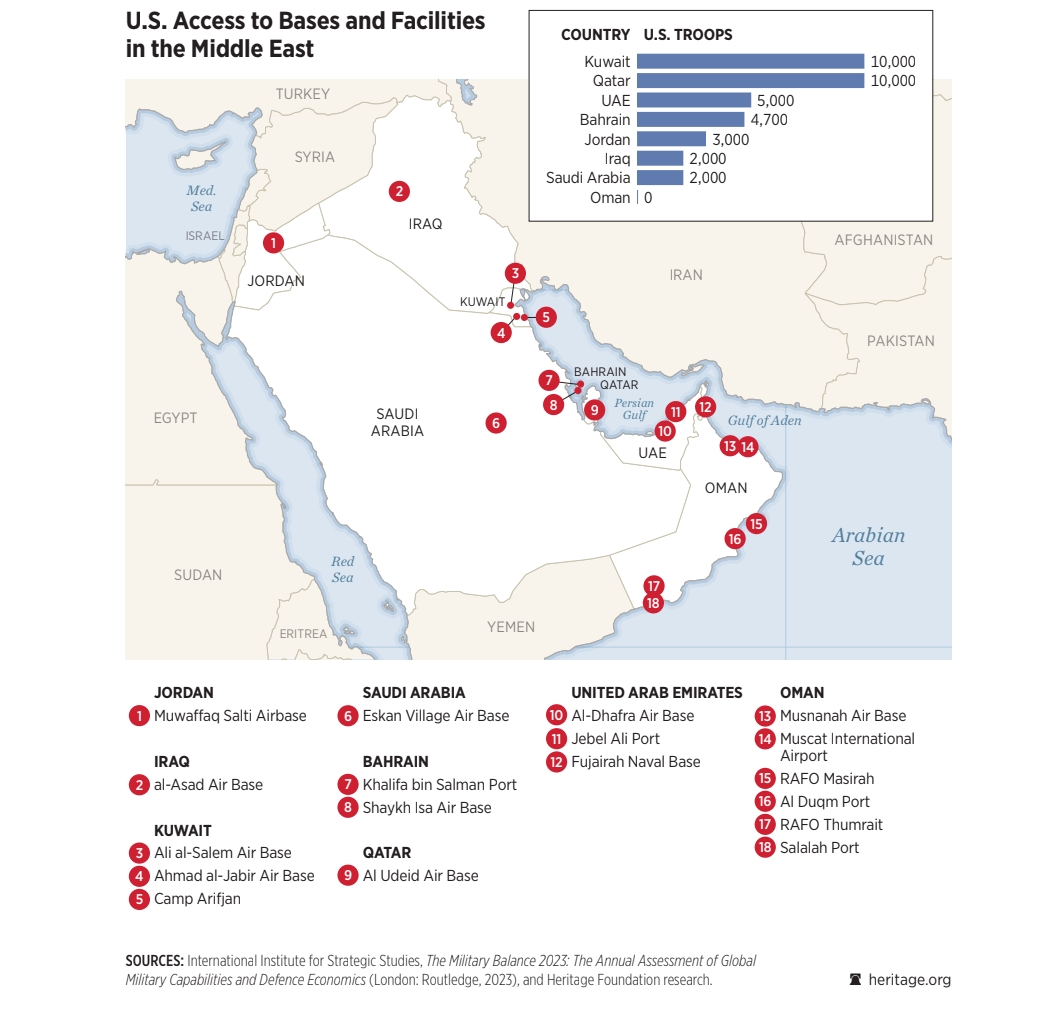
One of the key reasons analysts cite to explain the targeting of the UAE is the presence of Al Dhafra Air Base in Abu Dhabi, considered one of the most important American military bases in the Middle East.
The base hosts:
advanced reconnaissance aircraft
aerial refueling aircraft
F-35 and F-22 fighter jets at certain times
intelligence and electronic surveillance units
The base is used to monitor Iranian military activities in the Gulf and to support American military operations in Iraq and Syria.
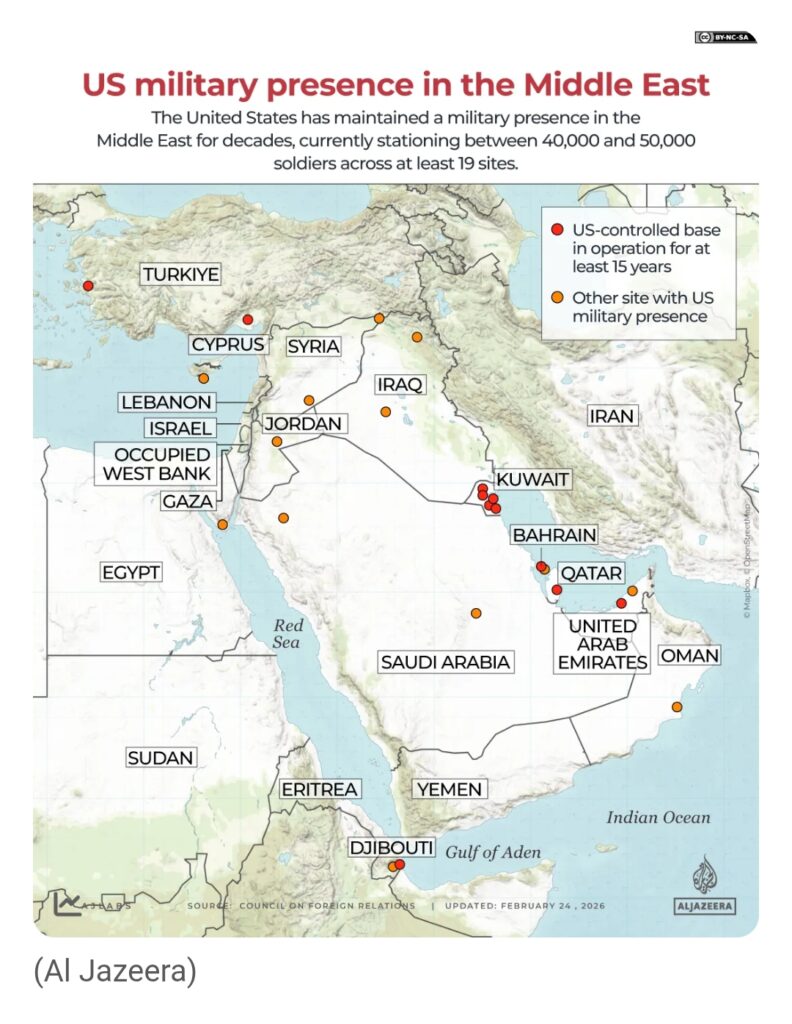
Military experts believe that any attack on this base aims to reduce Washington’s ability to respond quickly in the region.
A regional security analyst at the Middle East Institute in Washington stated:
“American bases in the Gulf represent Washington’s military eye in the region, and targeting them sends a direct message to the United States that any confrontation with Iran will not be far from its allies.”
The Abraham Accords: A New Factor in the Equation
Since the UAE signed the normalization agreement with Israel under the Abraham Accords in 2020, cooperation between the two countries has expanded significantly in several fields, including:
military technology
cybersecurity
air defense
joint military exercises
In 2024, the UAE and Israel participated in multinational naval exercises in the Red Sea alongside the United States and several other countries.
This rapprochement prompted some Iranian officials to describe the UAE as “a gateway for Israeli influence in the Gulf.”
An Iranian Revolutionary Guard official previously stated:
“Any country that allows Israel to use its territory to threaten Iran will bear responsibility for that.”
Targeting Economic Infrastructure: A Deterrence Message
Some experts believe that attacks targeting civilian or economic sites are not random but carry strategic messages.
Targeting facilities such as:
airports
ports
economic zones
financial centers
could disrupt global markets and affect trade and aviation flows.
Economic estimates indicate that the aviation and tourism sector represents more than 11% of the UAE’s GDP, while logistics and transport services constitute one of the key pillars of the economy.
A political economy expert at the University of London said:
“The UAE has built its economic model on stability and openness. Any direct security threat could generate anxiety in global markets.”
The Emirati Response: Emphasizing Preparedness
For their part, Emirati authorities affirm that their air defense systems have successfully intercepted most of the missiles and drones, and that the damage has remained limited.
Emirati officials also stressed that the country possesses advanced defense systems including:
the American Patriot system
the THAAD ballistic missile defense system
an advanced radar and early-warning network
An Emirati government official told the media:
“The UAE is not an easy target, and we possess defensive capabilities capable of protecting our territory and our interests.”
A Test for International Alliances
Analysts believe that what is happening represents a real test for security alliances in the region, particularly between the UAE and the United States.
The UAE is:
one of Washington’s most important military partners in the Gulf
a major logistical hub for American forces
an influential economic player in the region
Therefore, any escalation against it could push the United States to strengthen its military presence in the Gulf.
Possible Scenarios for the Coming Phase
As tensions continue, experts propose several possible scenarios:
Containing escalation through international pressure and regional mediation.
A limited escalation targeting military bases without expanding the war.
A regional expansion of the confrontation involving several Gulf states.
However, most analyses suggest that all parties are still trying to avoid a full-scale war in the region because of its enormous economic and military costs.
A Historic Turning Point?
Thus, American military bases in the Gulf states particularly in the United Arab Emirates have become a sensitive focal point within the broader map of Middle Eastern conflicts.
Their global economic position, their security alliances, and the presence of foreign military bases on their territory make them a central player in any confrontation between Iran and the United States.
The question remains:
Will the United Arab Emirates be able to preserve its economic model and the stability it enjoys amid rising regional tensions?
Or is the region heading toward a new phase of conflicts that could reshape the balance of power in the Gulf?