Africa News Info – Tunisia
Saturday, November 14, 2026
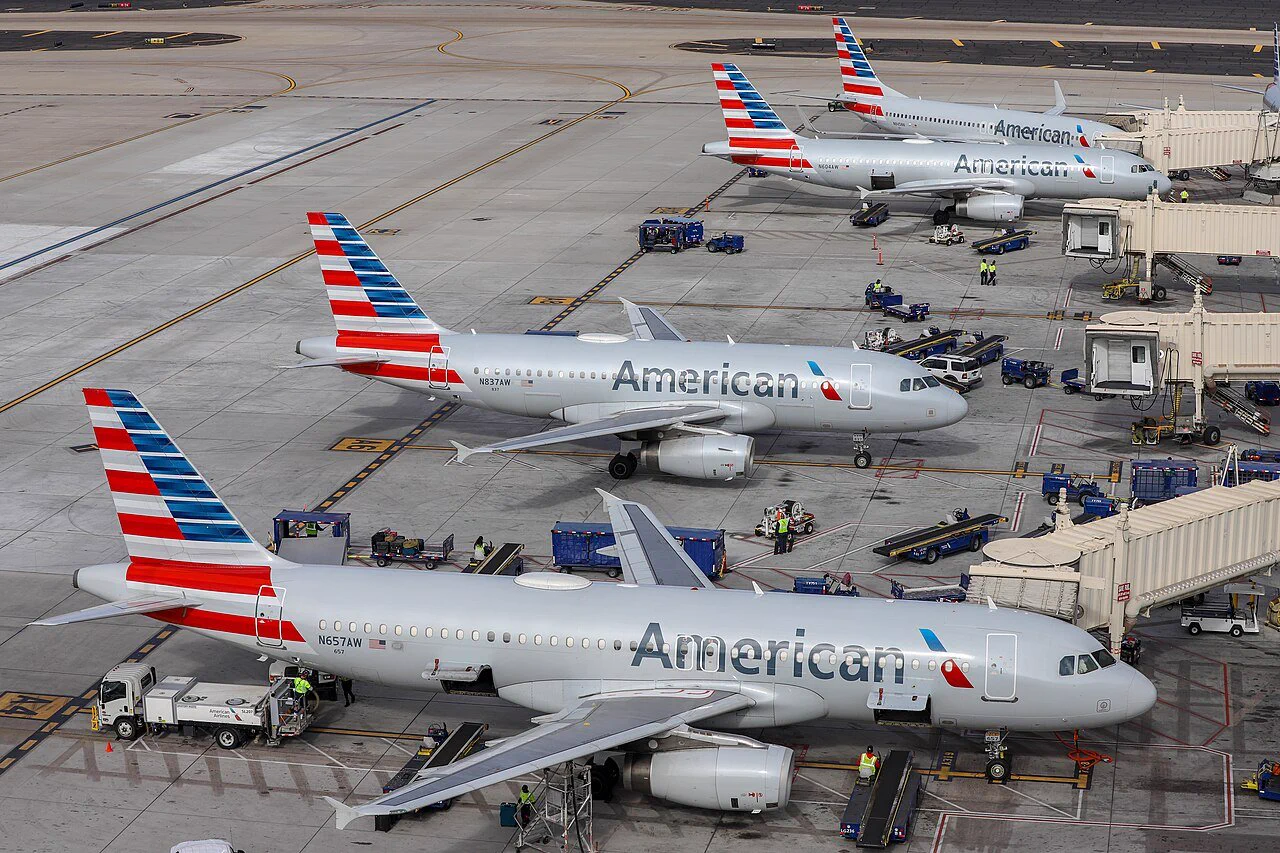
The United States experienced an unprecedented crisis in the civil aviation sector in several years on the evening of Friday, November 13, 2026, after a sudden failure in air traffic communication and surveillance systems led to the suspension of aircraft departures at airports across the country. The outage caused widespread disruption to air traffic, resulting in the cancellation and delay of thousands of domestic and international flights.
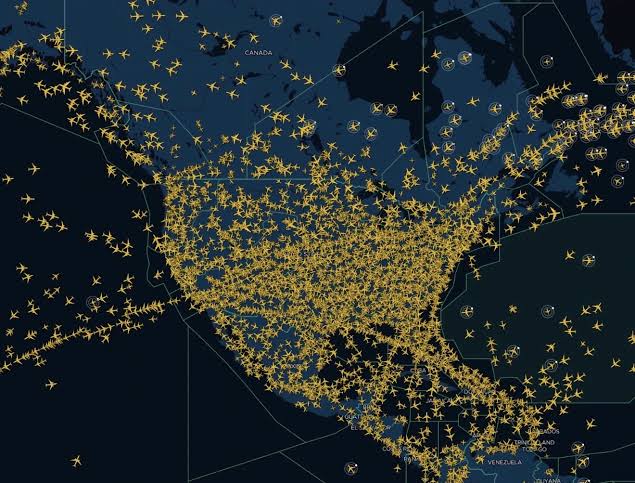
The sudden shutdown triggered concern and confusion among passengers and airlines, while raising questions about the actual causes of the crisis and the readiness of American infrastructure to deal with such technical failures.
Communications Failure Behind the Paralysis of U.S. Airports
The crisis began when the U.S. Federal Aviation Administration (FAA) announced serious problems affecting the communication systems linking air traffic control centers with aircraft. This prompted authorities to take the exceptional decision to suspend departures nationwide in order to ensure the safety of air navigation.
U.S. Transportation Secretary Sean Duffy confirmed that the outage had affected air traffic control centers responsible for regulating aircraft movements between airports. He indicated that technical teams had begun investigating the causes of the failure and working to restore the affected systems.
Continuous communication between pilots and air traffic controllers is one of the most important safety components of civil aviation, as it is the primary means of coordinating aircraft routes, determining their altitudes, and ensuring safe separation distances between them.
For this reason, authorities opted to keep departing aircraft on the ground rather than allow them to take off while the communication system was disrupted. Aircraft already in the air, meanwhile, continued toward their destinations in accordance with established safety procedures.
Thousands of Flights Delayed or Canceled, with Potential Losses for Airlines
The crisis caused widespread disruption at several of the largest airports in the United States, including those serving New York, Chicago, San Francisco, and Washington.
According to data from FlightAware, a platform specializing in tracking air traffic, the number of delayed flights on Friday exceeded 10,000, while the number of canceled flights approached 5,000 in one of the evening tallies.
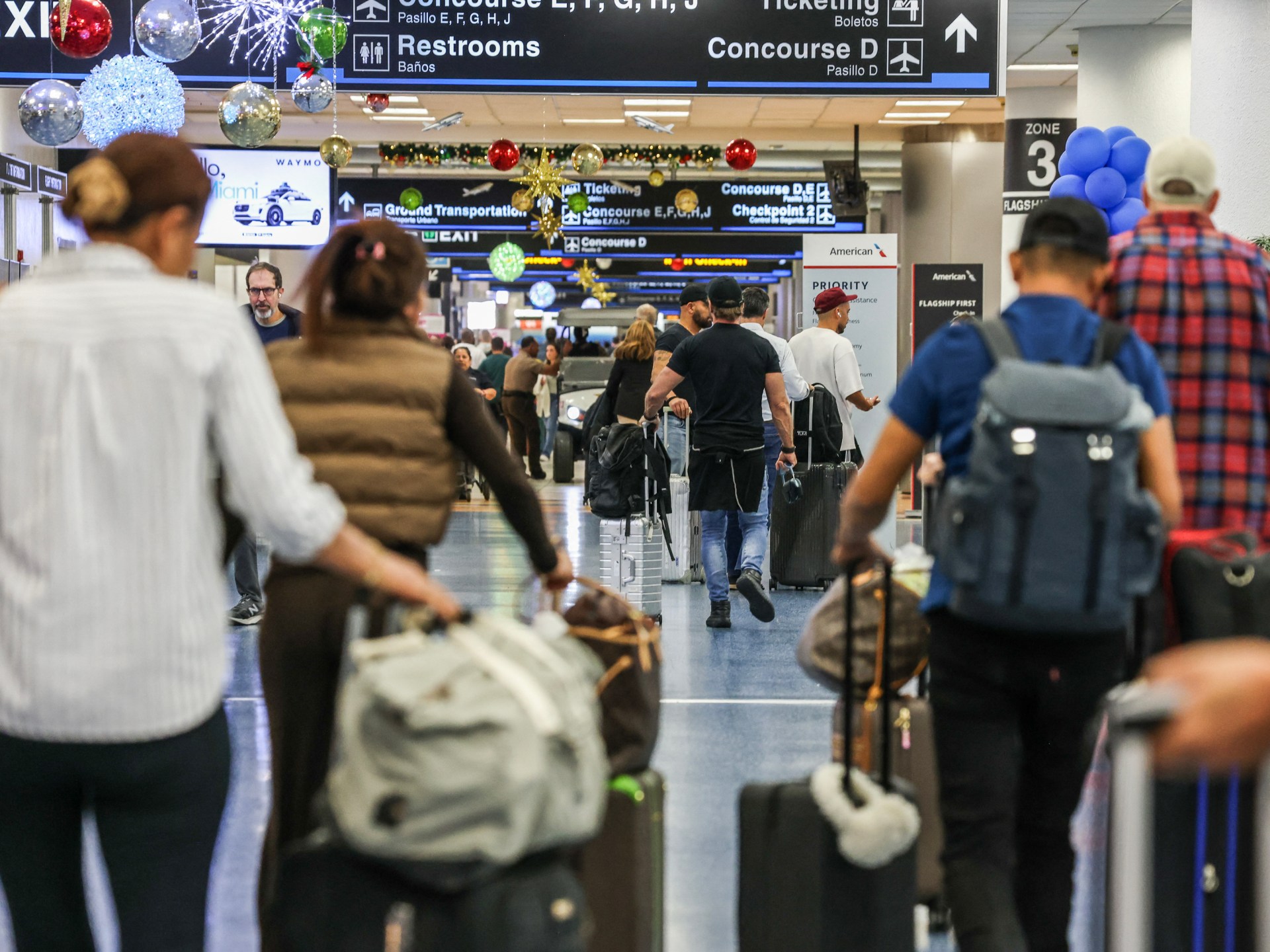
These statistics cover all aviation disruptions recorded throughout the day, not only flights directly affected by the communications outage.
The repercussions of the crisis also extended beyond the United States, with international airports experiencing disruptions to flights connected to American destinations. Among them was Mexico City’s airport, where 73 flights were affected, including 44 cancellations and 29 delays, impacting more than 10,000 passengers.
The disruptions are expected to have financial and operational consequences for airlines as a result of rescheduling flights, changing the routes of some aircraft, and arranging alternative solutions for affected passengers.
Was the United States Targeted by a Cyberattack?
As the crisis expanded and departure operations were suspended nationwide, questions emerged about the possibility of a cyberattack targeting U.S. air navigation systems or an act of electronic sabotage.
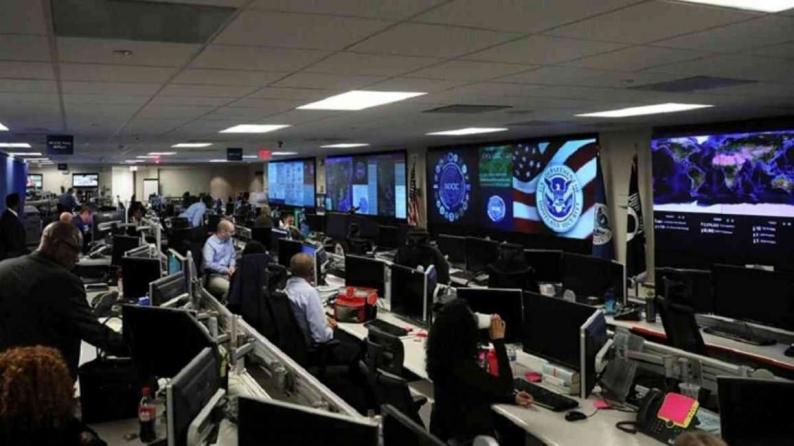
However, the initial information released by U.S. security authorities did not support this hypothesis.
U.S. officials said preliminary investigations had found no indications of a cyberattack or criminal activity behind the outage. The Secretary of Homeland Security also stressed that the incident was not connected to a threat comparable to the September 11, 2001 attacks.
Microsoft also denied the existence of any indications linking recent disruptions to its technology services with the crisis that affected American airports.
Meanwhile, U.S. media reports raised the possibility that the failure was linked to a software update or a disruption in the communications network used for air traffic control, although no definitive confirmation has been issued regarding the direct technical cause.
Aging Systems and Funding Shortages: Did the Crisis Expose Weaknesses in U.S. Infrastructure?
The incident has brought renewed attention to the ongoing debate in the United States over the aging of some air traffic control equipment and the need to modernize it.
The U.S. Transportation Secretary acknowledged that the air navigation system relies on outdated technological infrastructure and that upgrading it requires massive financial investments, covering communications networks, control towers, and facilities dedicated to managing aircraft movements.
The American official spoke of the need for investments reaching as much as $50 billion to modernize the system, at a time when authorities are facing challenges related to upgrading equipment and improving the efficiency of operational systems.
The crisis highlights the vulnerability of the aviation sector to technical failures, particularly in a country the size of the United States, which relies on an extensive air network connecting hundreds of airports and handling thousands of flights every day.
It also raises questions about the ability of aging systems to keep pace with the rapid development of air transportation, as well as the availability of backup plans capable of ensuring operational continuity when large-scale failures occur.
Flights Gradually Resume After More Than Four Hours of Suspension
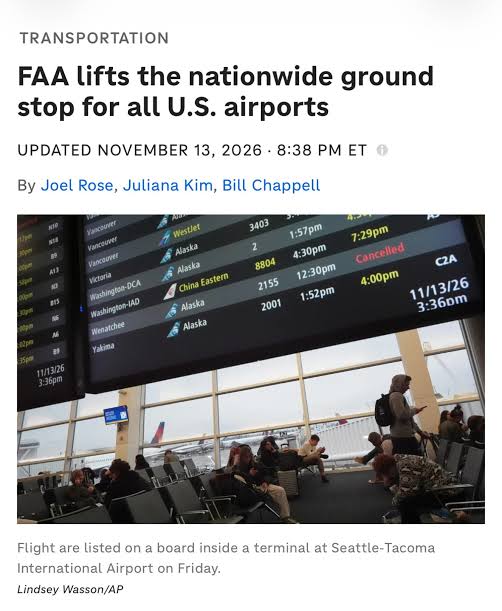
After more than four hours of suspended departures, the U.S. Federal Aviation Administration announced that restrictions had been lifted and that flights could gradually resume on Friday evening local time, corresponding to the early hours of Saturday in Tunisia.
However, the resumption of departures was not enough to bring the crisis to an immediate end. Airlines found themselves facing complex operational challenges involving the reorganization of flight schedules and the provision of the aircraft and crews needed to resume operations.
Major U.S. airlines, including United Airlines, American Airlines, and JetBlue, announced that they were working to gradually restore their flight schedules, while warning that some delays and cancellations were expected to continue over the following hours.
A Crisis That Goes Beyond Airports and Raises Questions About Air Navigation Security
The significance of what happened in the United States is not limited to the number of grounded flights or the scale of disruption experienced at airports. It extends to a far more sensitive issue: the extent to which the global air transport sector depends on complex communication systems whose failure can cause widespread disruption within a very short period.
The incident highlights the need to invest in modernizing air traffic control systems and strengthening their ability to withstand technical failures, alongside developing backup communication methods and rapid-response plans to ensure passenger safety and the continuity of air traffic.
Pending the final findings of the investigations, the crisis that affected U.S. airports on the evening of Friday, November 13, 2026, remains an example of the serious consequences that a single technical failure can have on a vital system, even in a country with one of the largest and most advanced aviation networks in the world.
Prepared and edited by: Africa News Info – Tunisia
Sources: Al Jazeera Net, statements by the U.S. Federal Aviation Administration and the U.S. Department of Transportation, and data from FlightAware, according to information published on November 14, 2026.