The “Tunisian Competencies” Association, chaired by Chokri Haidari, organized a high-level international panel discussion in Tunis. The event, attended by a group of experts and journalists, addressed a pressing issue titled: “The Repercussions of the Current War in the Gulf and Lebanon on Tunisia and the Maghreb Countries.” Participants sought to anticipate ways to ensure economic and political resilience amid global uncertainty.
Sound Management and Converging Perspectives
Academic and geostrategic expert Kamel Ben Younes opened the conference by stressing that Tunisia and the Maghreb are not immune to the fires raging in the Middle East, noting that the impact of the conflict goes beyond geography to affect the financial and security balances of Mediterranean countries.
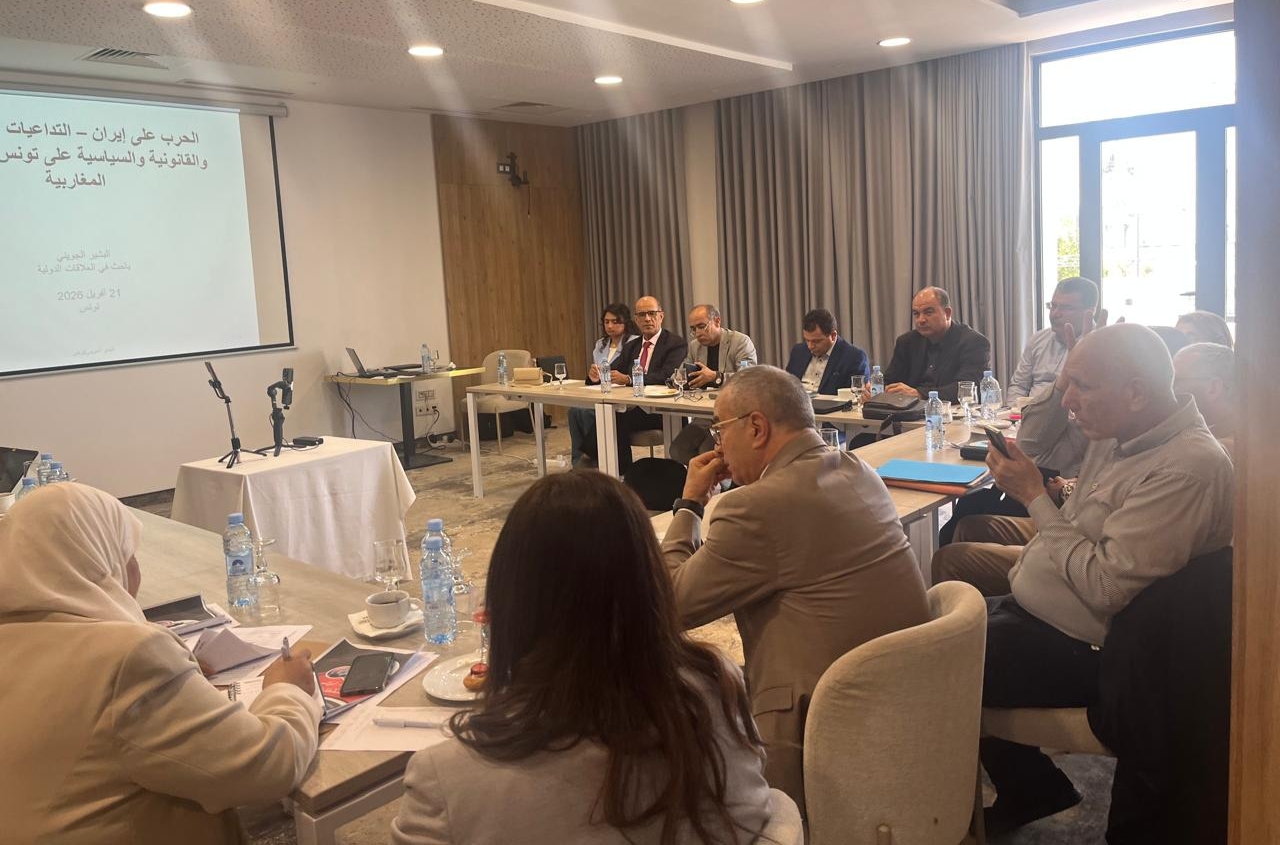
Faycal Derbal, head of the Tunisian Center for Corporate Governance at the Arab Institute of Business Leaders, presented a detailed economic analysis titled: “The War in the Middle East: Geoeconomic Stakes, Impacts, and Paths to Resilience from Global to Local,” warning of the structural fragility of the Tunisian economy in the face of energy price volatility. He explained that Tunisia pays a heavy price for every increase in global oil prices, threatening the trade balance and deepening the budget deficit.
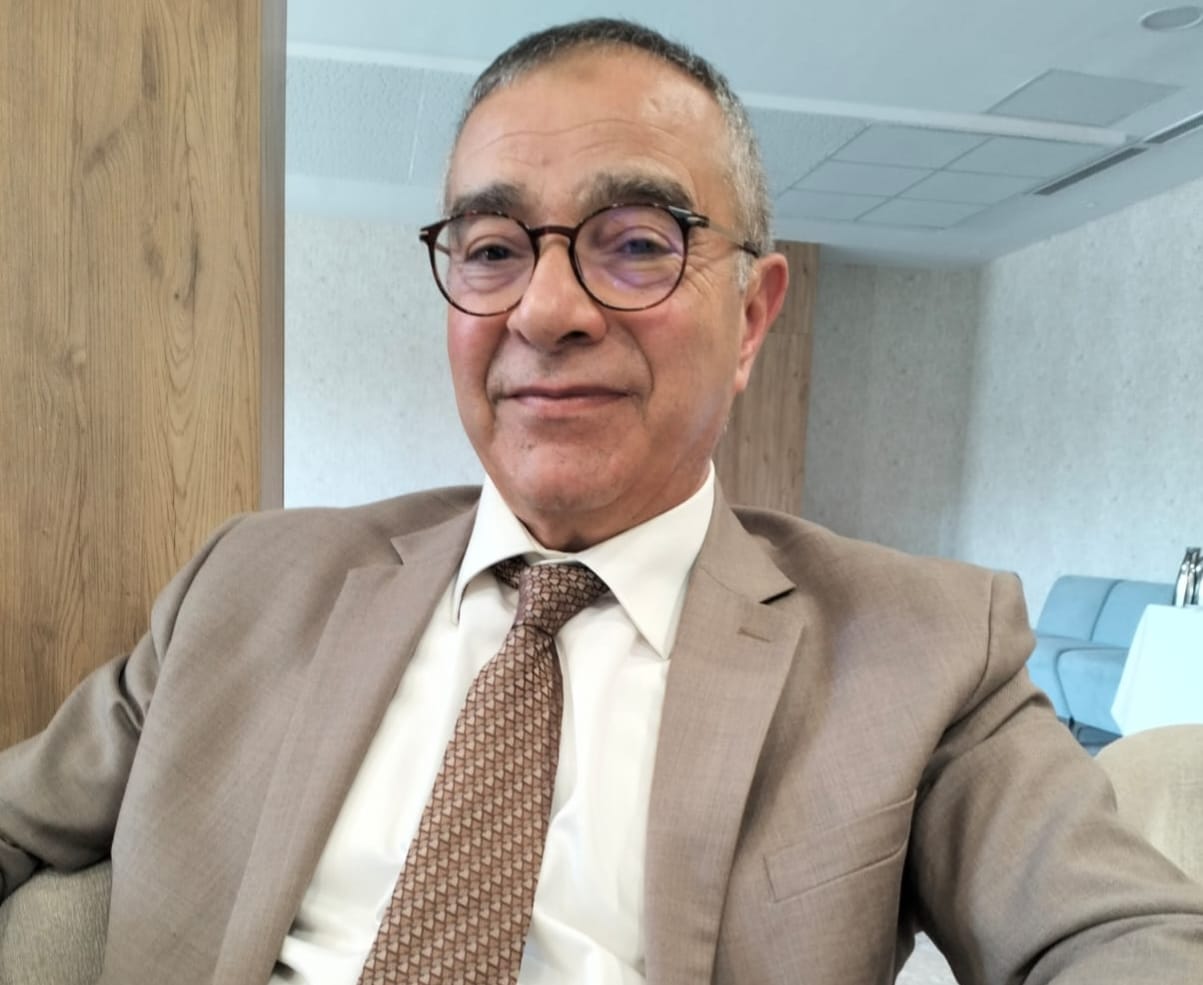
He emphasized a strictly economic and academic approach, away from political tensions, noting that the global effects of the war have led to slower economic growth, sustained GDP losses, and declining investment and productivity due to regional and international economic spillovers.
Regarding Tunisia, he stated: “Tunisia is among the countries most exposed to energy shocks due to its dependency, as it imports most of its needs. Every one-dollar increase in oil prices costs the state budget 164 million dinars.” He also highlighted inflationary pressures affecting purchasing power and production costs.
On maritime routes, he noted that disruptions in the Strait of Hormuz and the Suez Canal increase insurance and transport costs, a critical issue for Tunisia, where 98% of trade is conducted by sea. He recommended short-term measures such as business continuity plans, energy consumption control, and remote work, and medium-term strategies including accelerating energy transition, diversifying trade partners, and strengthening food and water security.
Maher Kallal: “Economic Intelligence” as a Strategic Choice
International expert in business, investment, and ICT, Maher Kallal, stressed the need to adopt “economic intelligence” as a sovereign tool. He called for moving from a reactive stance to proactive anticipation based on data and digital tools, emphasizing that technology and talent are key to addressing global supply chain disruptions.
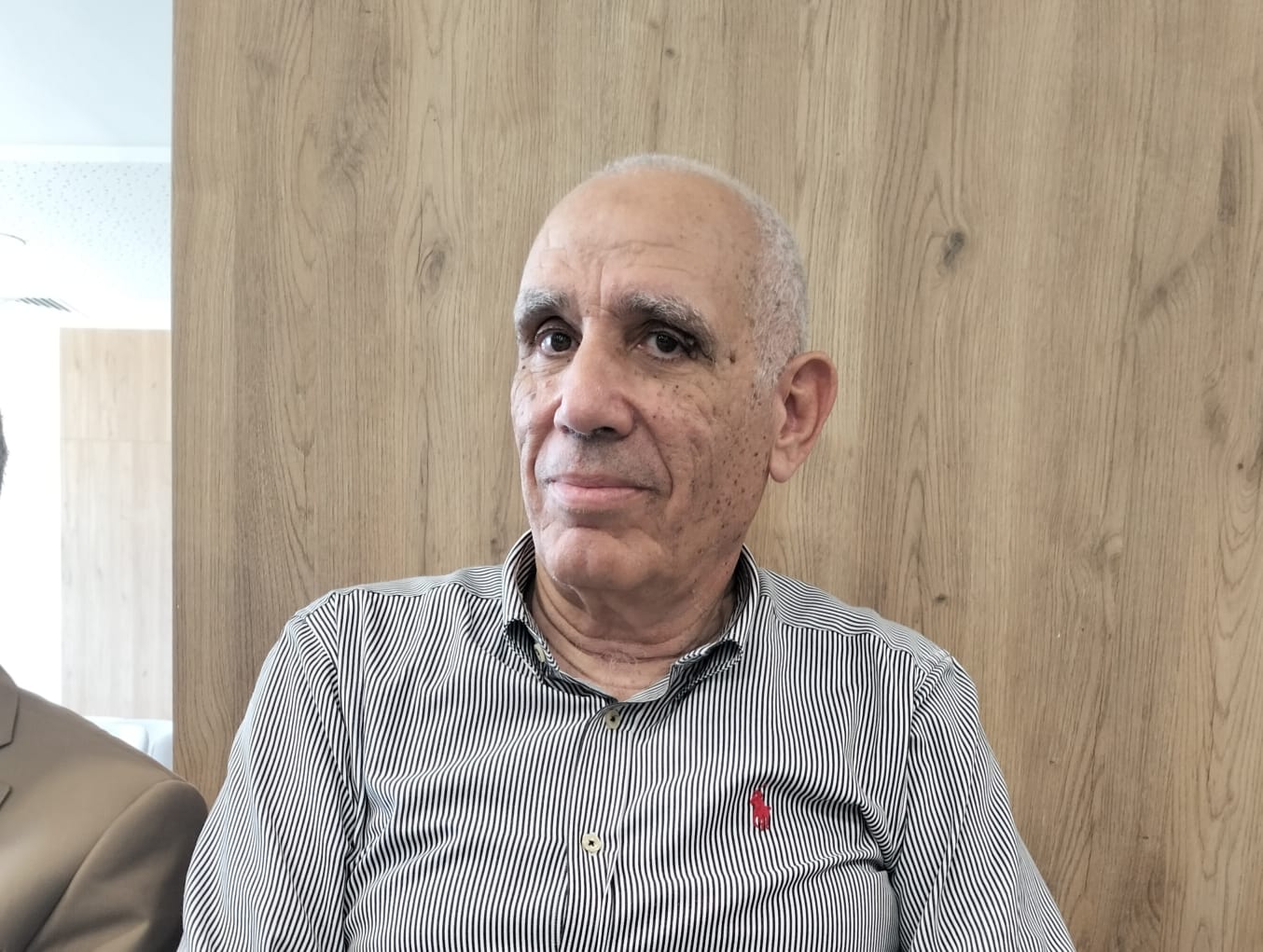
He argued that economic intelligence is not a luxury but a necessary “weapon” for protecting national security, built on strategic monitoring, information protection, and data-driven decision-making.
Regional Security Implications
Bechir Jouini, a specialist in Libyan, Maghreb, and African affairs, addressed the geopolitical dimensions, warning that any escalation in the Gulf could reshape regional alliances and impose new pressures on the region.
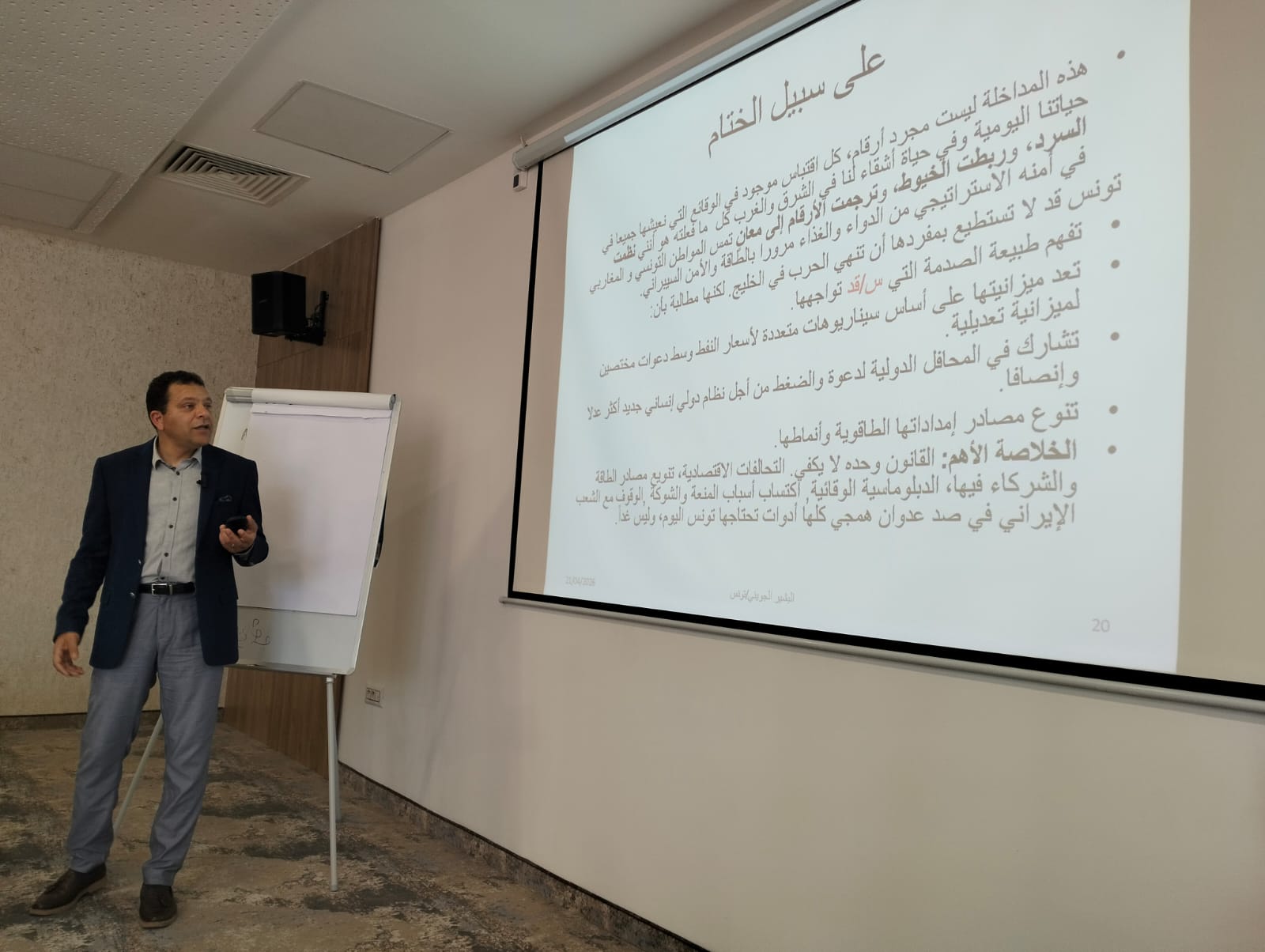
He noted the sharp decline in maritime traffic in the Strait of Hormuz from 137 ships per day to just 5 during the crisis leading to rising prices and shrinking fiscal space in Tunisia.
The Battle of Narratives and Awareness
Journalist Assia Atrous warned of plans to reshape the region and undermine Arab human capital, while Algerian expert Othman Lahyani stressed the importance of building a unified Maghreb narrative to counter international misinformation.
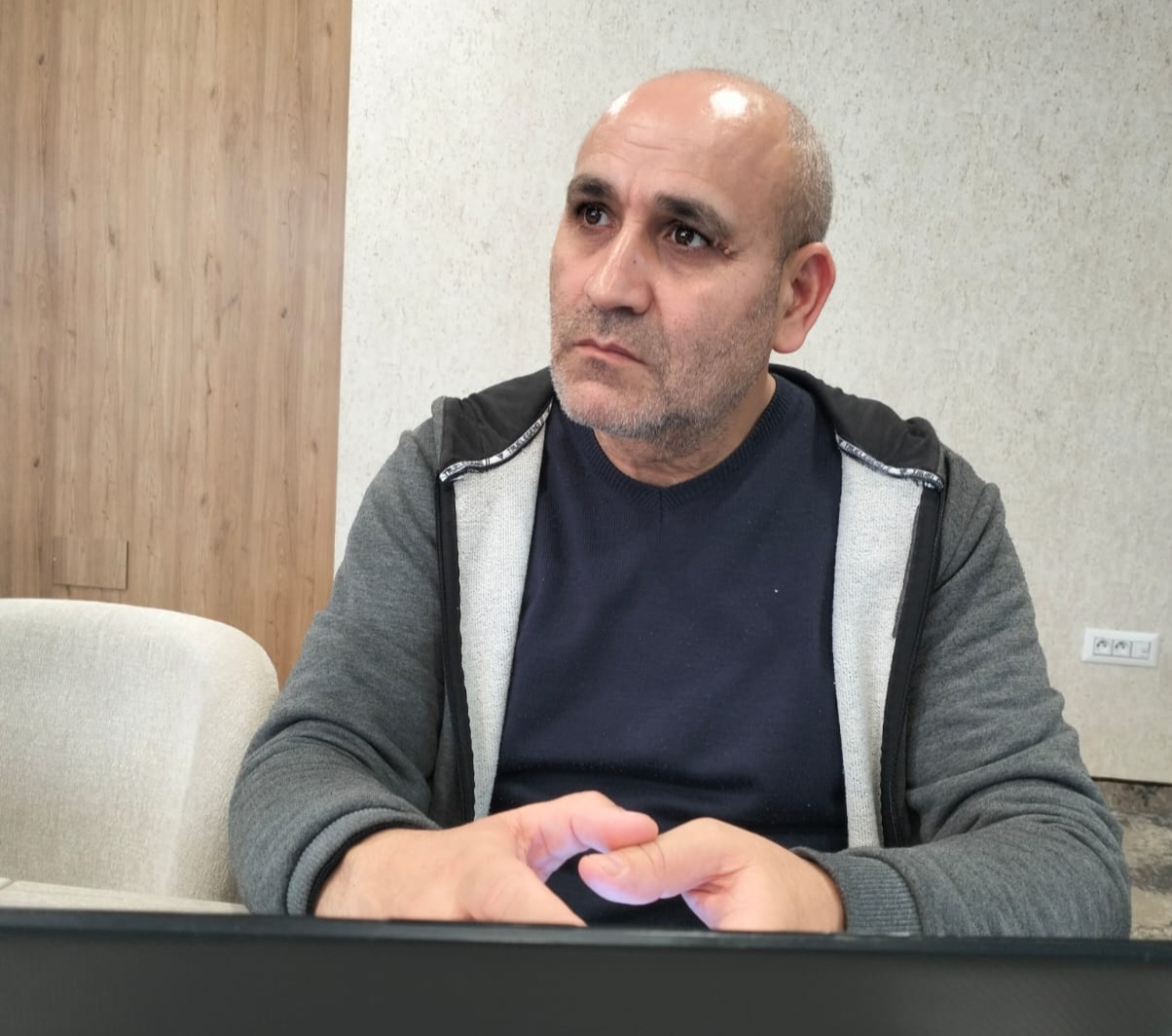
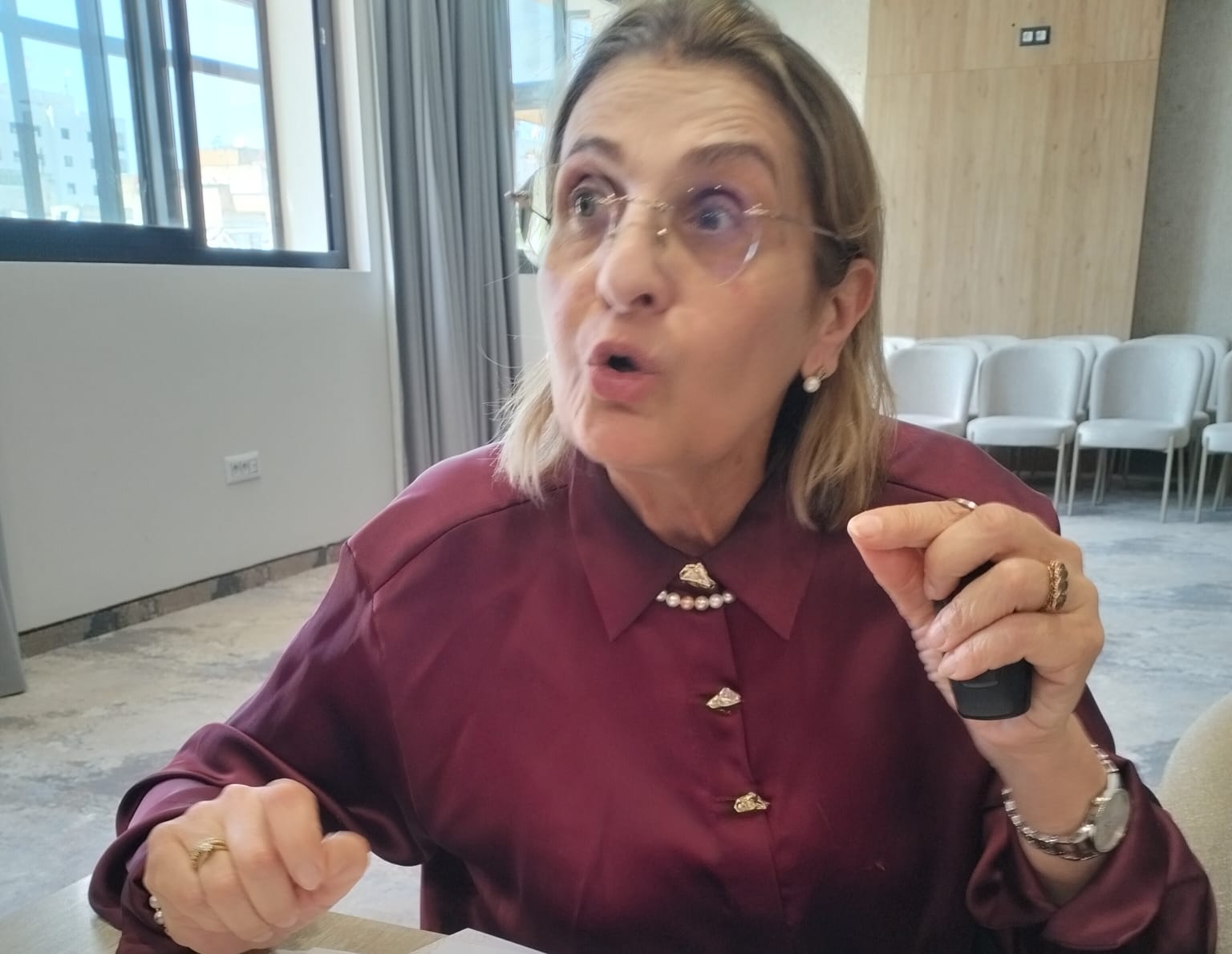
She noted that it is too early to assess the full economic impact of the war, as it depends on its duration and scope, highlighting the interconnected nature of economic, military, and political dynamics.
Economy, Conflicts, and Academic Awareness
Moncef Sellimi linked economic dynamics to conflict evolution, while Boulbaba Salem called for responsible media engagement and better public understanding of global developments.
Legislative and Financial Dimensions
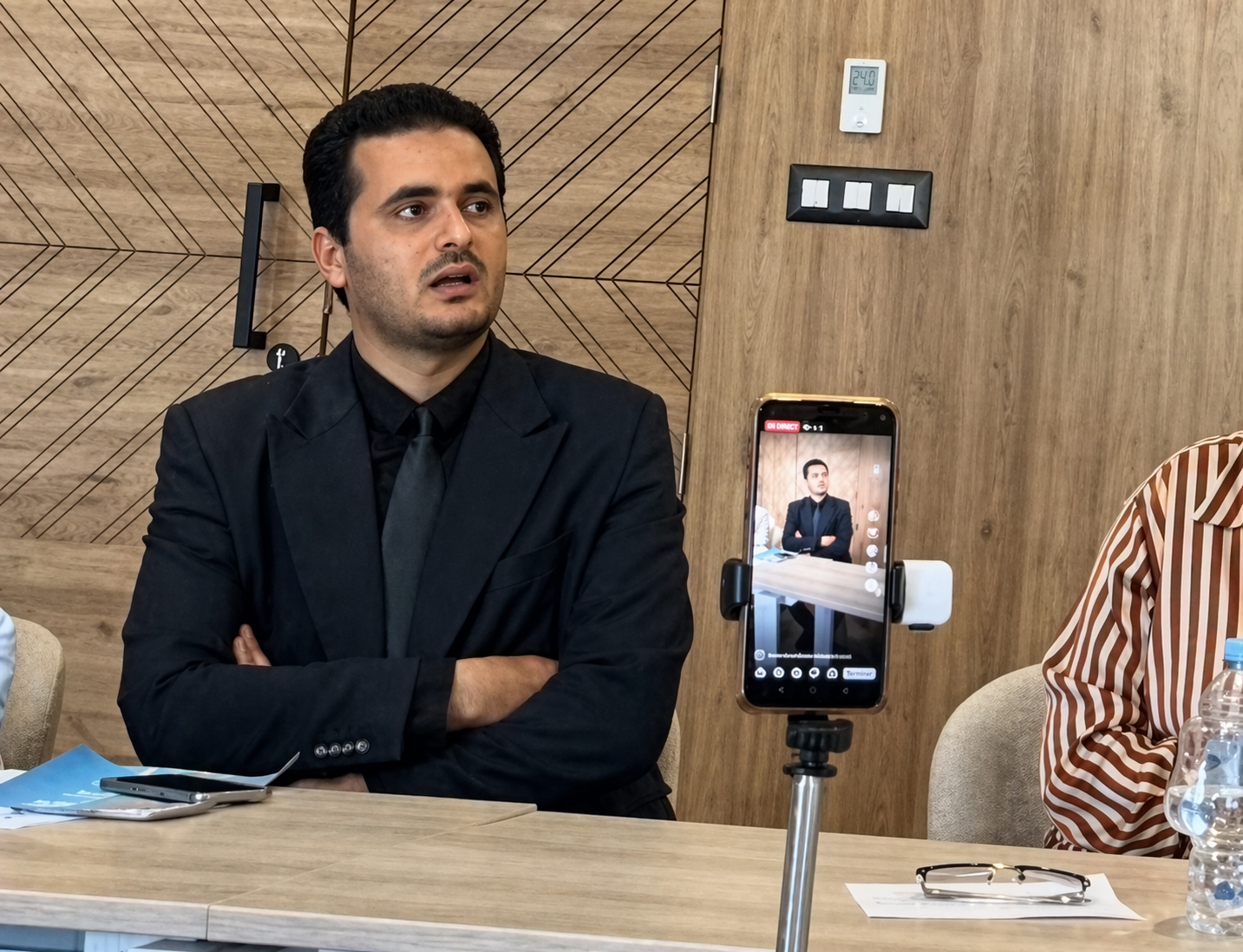
MP Ghassan Yamoun emphasized the importance of legislation to safeguard national sovereignty during crises. In conclusion, Chokri Haidari stated that the conference aims to produce practical recommendations to help Tunisian institutions absorb external shocks and strengthen financial resilience.
The conference concluded that Tunisian and Maghreb resilience in the face of Middle Eastern conflicts requires coordinated efforts among economists, academics, lawmakers, and media professionals to safeguard national sovereignty in a rapidly changing world.