
American military bases spread across the Middle East after the 2026 war are no longer merely traditional tools of geopolitical positioning; rather, they have become a direct circle of conflict reflecting a profound shift in the nature of modern warfare. The recent confrontation with Iran revealed a qualitative transformation in the balance of power, as American technological superiority is no longer sufficient to guarantee protection or deterrence, in light of the evolving capabilities of adversaries in precision missiles, drones, and electronic warfare. In this context, U.S. bases once symbols of military dominance have emerged as exposed strategic vulnerabilities, subjected to repeated and coordinated strikes, leading to unprecedented material, human, and strategic losses, and raising fundamental questions about the viability of this military deployment and its true cost.
Material Losses… Rising Figures and Infrastructure Under Fire
Available data reveal that the material losses incurred by U.S. military bases during the recent war were not merely superficial damages, but extended to sensitive infrastructure forming the backbone of American operational capability in the region. Within just a few weeks, direct losses exceeded the threshold of $800 million, a preliminary figure that does not reflect the full scale of the damage due to the complexities of technical assessment and the ongoing process of evaluation.
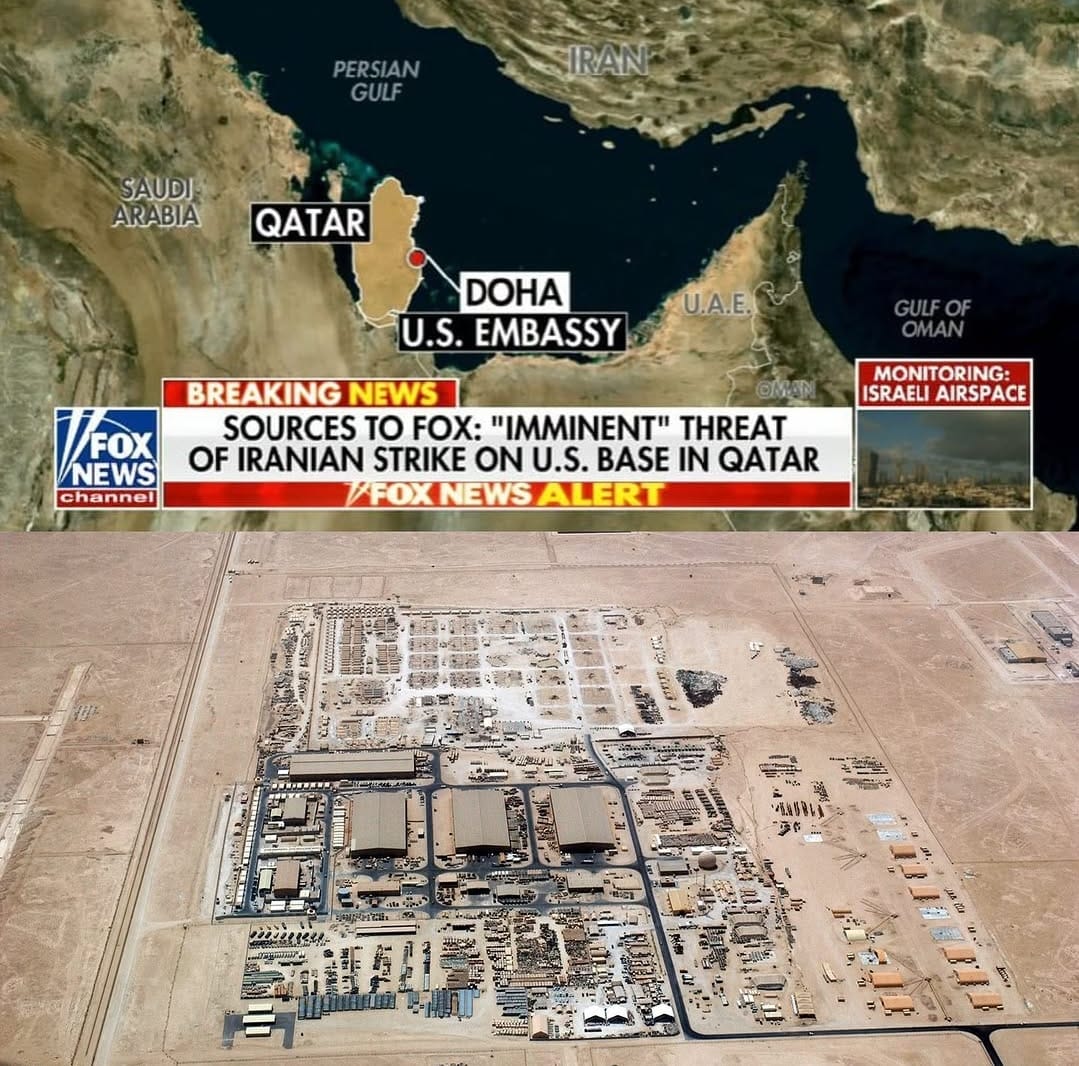
Iranian strikes clearly targeted the most expensive and sensitive systems, foremost among them air defense systems and long-range radars. The damage to the “AN/TPY-2” radar, part of the “THAAD” system, stands out as a prominent example, as this system is not merely a costly military asset but a critical component of the U.S. early warning network, meaning that its disruption even partially directly affects detection and response capabilities. The damage also extended to communication facilities and command centers, which serve as the connective link between bases across the Gulf, Iraq, and Jordan, reflecting a systematic attempt to strike the “logistical nerve” rather than limiting attacks to tactical targets.
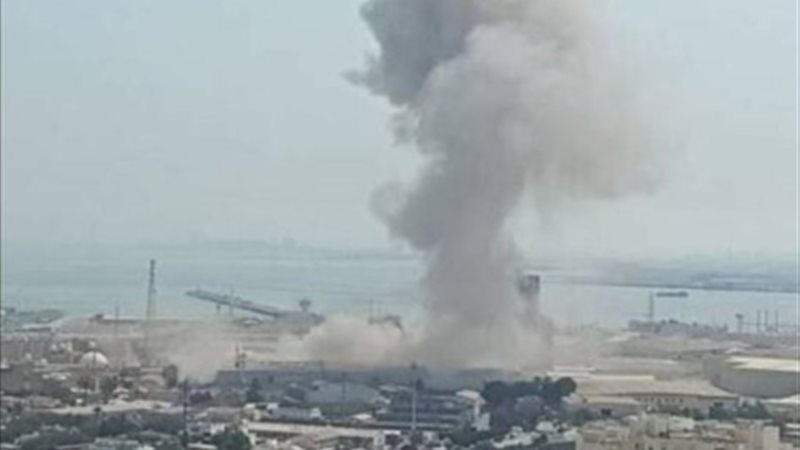
Losses were not confined to fixed infrastructure but also included high-value aerial assets. The downing or destruction of a significant number of MQ-9 Reaper drones resulted in the loss of hundreds of millions of dollars, in addition to reducing real-time U.S. intelligence capabilities. The loss of advanced fighter jets even in friendly fire incidents also reflects the operational pressure and field complexity imposed by the war. Ultimately, these losses were not just financial figures but an indication of a gradual attrition of the technological superiority system that Washington has long relied upon in managing its conflicts.
Human Losses… Between Official Figures and Conflicting Narratives
If material losses are relatively measurable, human losses remain more sensitive and complex, both in terms of numerical accuracy and their political and psychological repercussions. The official American narrative indicates a relatively limited number of casualties estimated at around 13 soldiers killed alongside approximately 200 wounded, figures that clearly reflect an effort to minimize the domestic impact of the war, especially given the sensitivity of American public opinion to human losses.
In contrast, Iranian narratives present much higher estimates, speaking of hundreds of killed and wounded within just the first days, placing these figures within the framework of “media warfare” as much as reflecting a battlefield reality. Between these two narratives, it is difficult to reach a precise number, but what is certain is that U.S. bases are no longer insulated from direct human losses, marking a significant shift compared to previous years when these bases were relatively protected from major attacks.
More important than the numbers themselves is the strategic implication of these losses. The return of “military coffins” to the American mainland, even in limited numbers, represents a major political pressure factor, especially if accompanied by ambiguity in war objectives or the absence of a clear victory. The rise in the number of injuries, particularly those resulting from missile fragments or explosions, also indicates that the attacks were not random but precise enough to inflict human losses within supposedly fortified facilities.
On the moral level, targeting soldiers inside their bases rather than in open battlefields directly affects morale and creates a sense of insecurity even in “rear areas.” This in itself constitutes one of the most dangerous forms of loss, as it impacts the human element that forms the core of any military force.
Strategic Losses… Erosion of Deterrence and Changing Rules of Engagement
Beyond direct figures, the greatest loss lies in the strategic transformations produced by the war, whose effects may last for many years. Repeated strikes on U.S. bases have undermined the concept of the “safe base,” one of the fundamental pillars of American military doctrine abroad. These bases, once used as launching points for operations without fear of direct targeting, have now fallen within a constant sphere of threat, necessitating a comprehensive reassessment of deployment and positioning mechanisms.
The war also exposed clear gaps in air defense systems, particularly against complex attacks combining ballistic missiles and low-altitude drones. This type of attack, which relies on saturation and dispersion, has proven effective in penetrating even the most advanced defenses, raising serious questions about the effectiveness of current systems in confronting modern threats.
On the other hand, these developments have contributed to establishing a new deterrence equation based on “cost for cost.” The United States is no longer able to carry out strikes without expecting a painful response, limiting its strategic freedom of action. In this context, it can be said that Iran, along with a network of regional allies behind it, has succeeded in shifting the conflict from a phase of “unilateral deterrence” to one of “mutual deterrence,” where every escalation becomes fraught with high risks.
This transformation is not limited to the military dimension but extends to the political sphere, as some host countries of these bases have begun, albeit quietly, to reconsider the cost of hosting them, given their transformation into potential targets. The continuation of this situation may also push Washington to redistribute its forces or reduce its presence, which would have wide-ranging implications for the region’s balance of power.
From Absolute Superiority to Open Attrition
In light of the above, it becomes clear that the 2026 war was not merely a transient military confrontation, but a pivotal turning point in the history of the American military presence in the Middle East. This war revealed that technological superiority does not guarantee absolute protection, and that military bases no matter how fortified can turn into points of attrition when facing an adversary possessing both the will and the capacity to evolve.
The material losses exceeding hundreds of millions of dollars, the human losses that have brought back the specter of costly wars, and, most importantly, the strategic transformations that have undermined the concept of traditional deterrence, all indicate that the United States is facing a new and more complex phase in the region.
As Washington attempts to contain the repercussions and rebuild its military image, the question remains open:
Can the United States adapt to a strategic reality in which power alone is no longer sufficient, or is the Middle East entering a new phase of balances in which costs are imposed on all without exception?