The sixth edition of the African Conference for the Promotion of Peace has concluded, yet the resonance of the fundamental issues it raised during its discussions and workshops continues to echo beyond the Mauritanian capital, Nouakchott, reaching various African capitals.
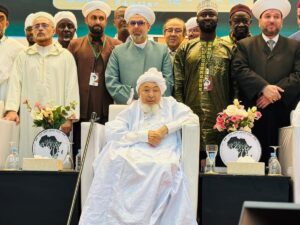
Held on the 10th, 11th, and 12th in Nouakchott, the conference is likely to maintain its impact in the coming period, particularly due to its final communiqué. The statement not only courageously diagnosed the challenges facing the African continent but also presented realistic recommendations accompanied by practical mechanisms within the framework of “making hope” in Africa.
The positions and proposals outlined in the communiqué may remain relevant for a long time and could serve as a key reference for African decision-makers in shaping new formulas for the continent’s advancement.
A careful reading of the final communiqué issued under the optimistic theme “Africa and the Making of Hope: Do Not Despair of God’s Mercy” invites reflection on several key issues addressed amid ongoing transformations and competing foreign agendas influencing Africa’s landscape.
The conference emphasized redefining African priorities by placing peace as a strategic option, away from media noise and violent confrontation.
Under the leadership of Sheikh Abdallah bin Bayyah, the conference has steadily advanced this vision since its establishment in 2020, successfully engaging diverse social groups, particularly women and youth across Africa’s ethnic, religious, and cultural diversity.
The final communiqué of the sixth edition attended by nearly a thousand participants, over 400 guests, and around 40 prominent figures from the United States, Russia, China, and Europe stood out for the scope of issues addressed and its realistic language.
A central focus was the preservation of the nation-state as the inclusive framework for resolving conflicts and managing differences, ensuring unity and stability despite diversity.
The statement stressed that Africa’s crises require comprehensive approaches addressing deep-rooted causes and interconnected factors, while linking peace, justice, and human dignity as ultimate goals, with development as the essential means to achieve them.
It also demonstrated awareness of security challenges, including intellectual security and water security described as a pillar of life and peace and a gateway to regional cooperation rather than conflict.
Sustainable development was highlighted, particularly the empowerment of youth and women, along with the challenges posed by technological transformations, especially artificial intelligence.
The communiqué underscored the importance of strengthening “digital intellectual security” to protect youth from algorithms of despair and extremism, and emphasized the central role of traditional and digital media in shaping public awareness and promoting hope.
In conclusion, the sixth edition of the African Conference for the Promotion of Peace achieved its objectives by combining the aspiration to create hope with a commitment to translating it into tangible reality, notably through the launch of the “African Charter for the Making of Hope.”