Africa’s Rejection of Zelensky: A Symptom of a Continent’s Diplomatic Reconfiguration
Opposition to Africa’s involvement in “non-African” conflicts
Kamel Ben Younes
Journalist and expert in international studies
Tunis/ africanews.info
As the 39th African Union (AU) Summit approaches, a significant diplomatic decision has underscored the continent’s determination to retain control over its political agenda: the request by Ukrainian President Volodymyr Zelensky to address African heads of state via videoconference was not approved. A majority of AU member states opposed the initiative, considering that it neither aligned with the summit’s priorities nor reflected the current diplomatic stance of the pan-African organization.
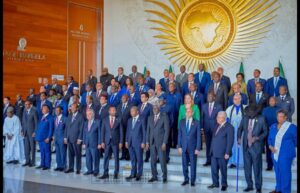
This refusal, made ahead of the meeting scheduled in Addis Ababa, is far from an isolated act. It forms part of a broader trend toward reaffirming Africa’s strategic autonomy in the face of major international crises.
A Majority Opposition, Yet a Measured One
According to several African diplomatic sources, the question of President Zelensky’s intervention was discussed through informal consultations within AU bodies. While no official communiqué was issued, the prevailing sentiment was clear: to avoid turning the African summit into a platform focused on an extra-continental conflict.
Several states voiced reservations, citing the need to preserve the African Union’s diplomatic balance at a time when it is already grappling with numerous internal challenges: security crises in the Sahel and the Horn of Africa, economic pressure linked to debt, energy transition, and continental integration.
This stance does not amount to a political rejection of Ukraine as such, but rather reflects a determination not to prioritize international conflicts at the expense of Africa’s own urgent concerns.
African Non-Alignment Tested by the War in Ukraine
Since the outbreak of the war in Ukraine in 2022, many African countries have adopted a cautious diplomatic posture, often described as pragmatic non-alignment. This approach seeks to maintain functional relations with all international partners, without subscribing to bloc-based geopolitics.
In this context, allowing the Ukrainian president to speak at the summit could have been interpreted as a strong political signal, potentially perceived as an implicit alignment with one side of the conflict. For several African capitals, such a risk was incompatible with the neutrality line advocated within the African Union.
A Fragile Ukrainian Strategy Toward Africa
For Kyiv, this refusal highlights the limitations of its diplomatic strategy in Africa. Despite recent initiatives official visits, promises of agricultural cooperation, and rhetoric centered on global food security Ukraine has yet to establish itself as a durable strategic partner in the eyes of many African leaders.
Some observers argue that Ukrainian diplomacy is still widely viewed as largely circumstantial, primarily aimed at securing political support in the context of the conflict with Russia, rather than offering a long-term, structural partnership.
An African Union Focused on Its Own Agenda
By declining Volodymyr Zelensky’s intervention, the African Union sends an institutional message: the continent intends to define the parameters of its international engagement on its own terms. Far from rejecting dialogue, this decision reflects a desire to preserve the summit as a forum centered on African priorities, rather than an extension of global geopolitical rivalries.
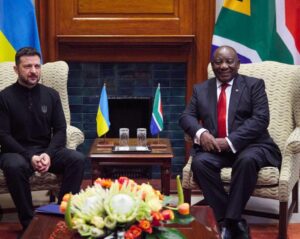
On the eve of its 39th summit, Africa is thus asserting an increasingly confident posture on the international stage open to dialogue, yet vigilant against instrumentalization. A strong signal at a time when global balances are being reshaped and the Global South seeks to make its voice heard on its own interest.