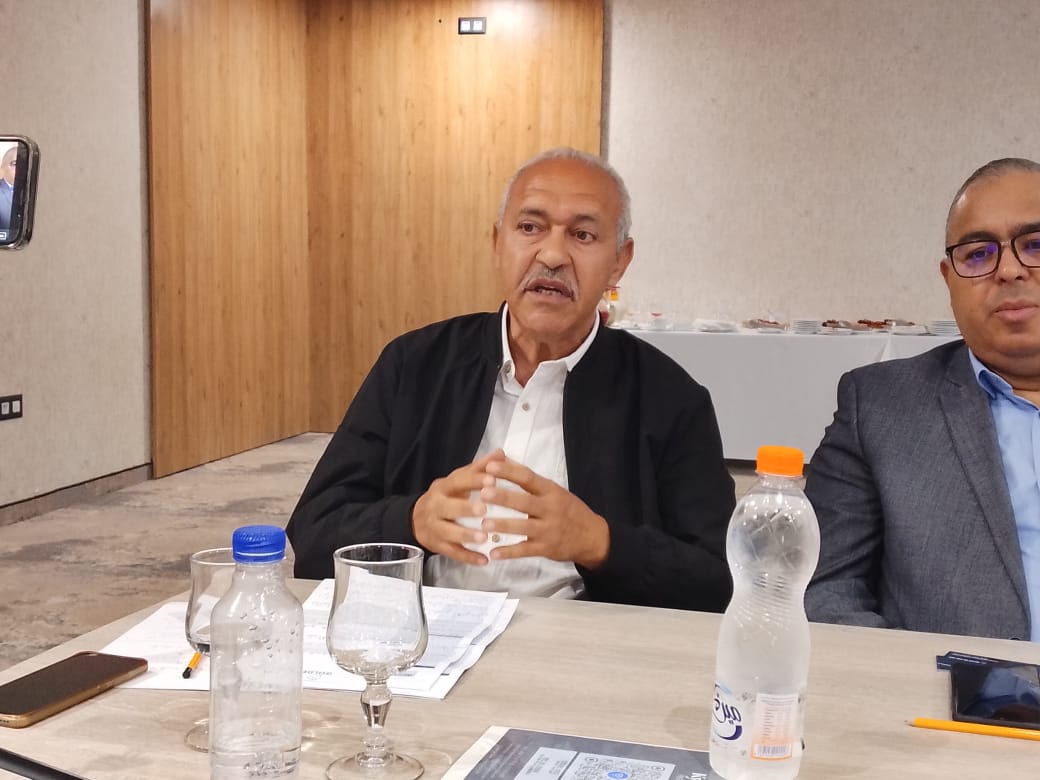
Economics professor Ridha Chkandali stated that the Central Bank’s concerns about the return of inflation due to excessive state borrowing and the potential inflationary consequences of U.S. tariffs might discourage the Central Bank’s board from making another cut to the key interest rate.
In a statement to Express FM on Saturday, May 17, 2025, Chkandali said: “The Central Bank adopts a monetary approach to inflation and considers that inflation is monetary in nature — that is, it comes from excess liquidity in the economy. But this liquidity stems from direct lending to the state, which essentially means the Central Bank is both the source of the problem and the one calling for its solution.”
Chkandali explained that the recent 50-basis-point cut in the key interest rate had enabled the construction and building sector to achieve positive growth for the first time in years. He stated: “We must move again toward lowering the key rate, knowing that this would have positive repercussions for Tunisia, since the inflation problem is not due to excessive consumption but rather scarcity in production.”
Chkandali also noted that Tunisia now has the opportunity to review all of its trade agreements, especially with the European Union and Turkey. He pointed out that the increase in tariffs on Turkish goods has harmed the textile sector, which primarily imports cotton, raw materials, and semi-finished products from Turkey. This has led to a complete loss of competitiveness in international markets, resulting in very weak or even negative growth.
He stressed the need to negotiate with these countries, focusing on areas where Tunisia can gain economic advantages. He also emphasized the importance of improving the business climate, reducing administrative and tax burdens, and lowering the key interest rate, which would have a positive effect on Tunisian investors.
In the same context, he argued that the Tunisian administration remains the biggest obstacle to both domestic and foreign investment.
Chkandali made these remarks during a panel discussion organized by the Tunisian Association of Competencies and the Ibn Rochd Arab-African Forum for Strategic Studies, focusing on the impact of Trump’s policies and the new trade wars between the U.S., China, and Europe on Tunisia, the Maghreb, and Africa.