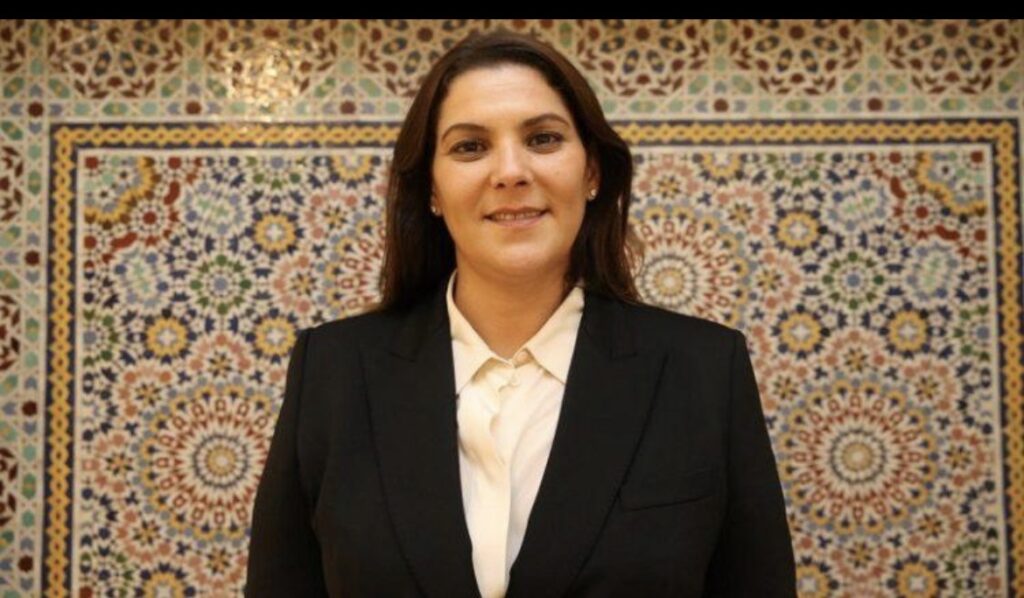
Morocco: Moncef Sellimi Outlines Priorities Facing the New Government
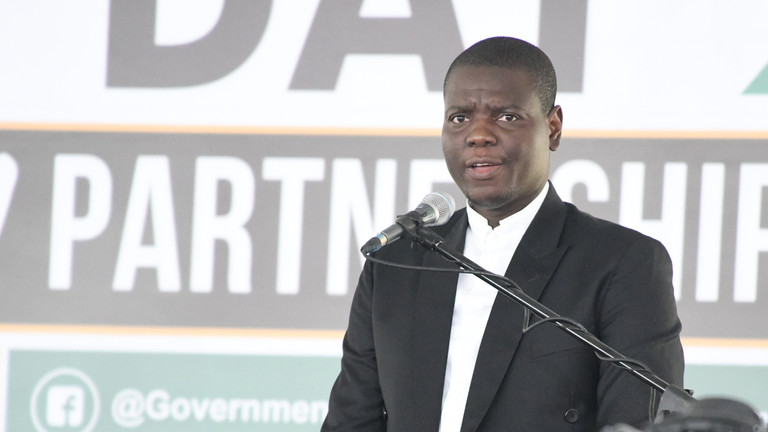
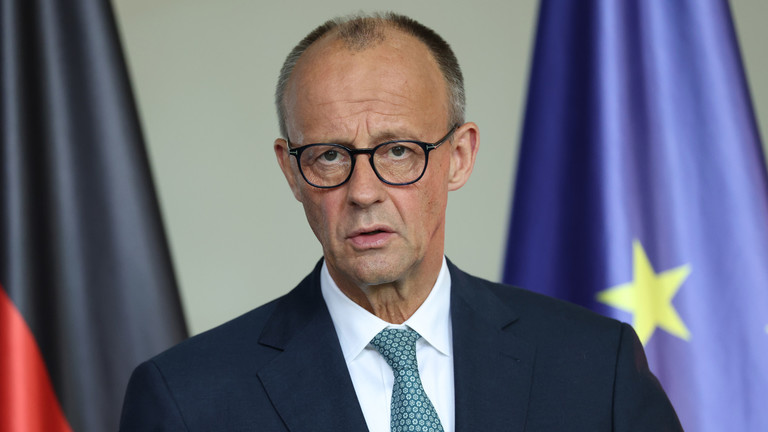
The Sahara issue, relations with Europe, employment and purchasing power are among the key challenges facing Morocco’s new Head of Government, Fatima Zahra Mansouri, according to German-Maghrebi analyst Moncef Sellimi.
Tunis – Africa News Info – Sonia Fattouhi

The appointment of Fatima Zahra Mansouri as Morocco’s Head of Government represents a “historic” milestone carrying significant political messages, German-Maghrebi journalist and Maghreb affairs expert Moncef Sellimi said in an interview with Africa News Info.
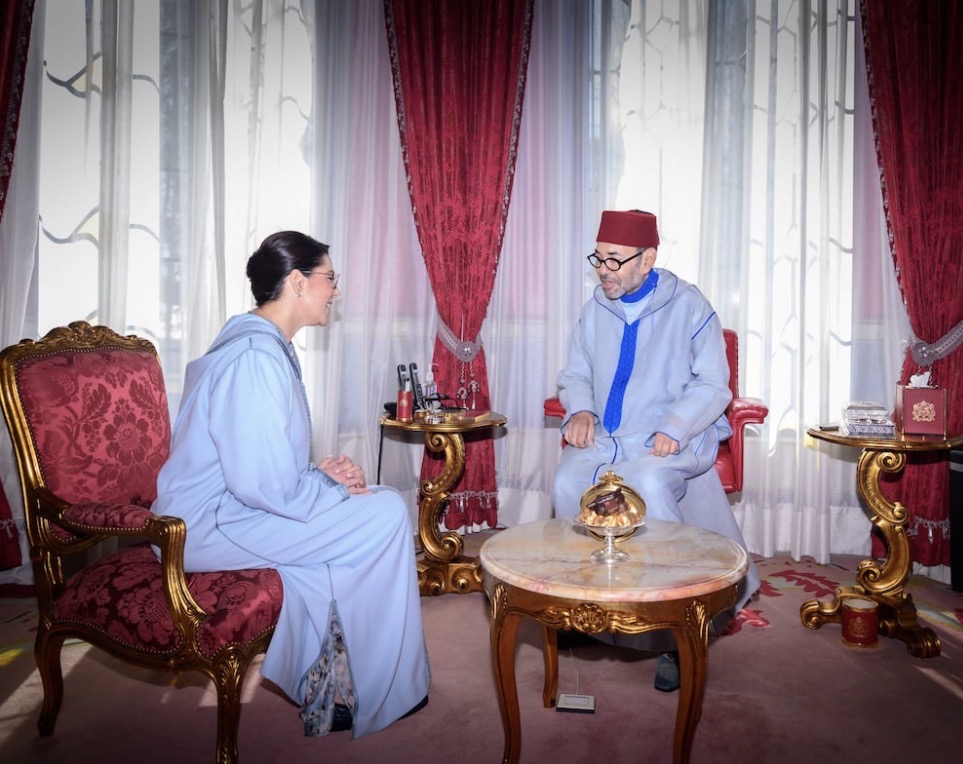
According to the information provided to Africa News Info, King Mohammed VI appointed Mansouri, coordinator of the collective leadership of the Authenticity and Modernity Party (PAM) and mayor of Marrakech, as Head of Government and tasked her with forming a new cabinet under Article 47 of the Constitution.
The appointment followed her party’s victory in the September 23 parliamentary elections, in which it secured 97 of the 395 seats in Morocco’s House of Representatives, according to the source text.
Sellimi said the appointment carries considerable political and social significance, particularly because it marks the first time a woman has been chosen to lead the Moroccan government.
“Choosing a woman to form the new government removes doubts over whether women can reach the highest positions in the state,” he said.
The decision also reflects King Mohammed VI’s determination to highlight what Sellimi described as the “modernist face of Moroccan society,” following reforms introduced in recent decades in the fields of women’s rights and family law.
A Symbolically Significant Appointment
Mansouri’s appointment could renew debate over women’s representation in senior government positions and decision-making institutions.
Sellimi said her political and technocratic background could prove an asset in addressing Morocco’s economic and social challenges.
Employment, youth unemployment, purchasing power and prices are expected to feature prominently on the new government’s agenda.
Improving conditions for middle- and lower-income households, strengthening healthcare and education services, and reducing regional disparities are also likely to rank among the government’s priorities.
These issues featured prominently in the political debate surrounding the parliamentary elections.
Fouzi Lekjaa Could Take a Senior Government Role
Attention is now turning to the composition of the new cabinet.
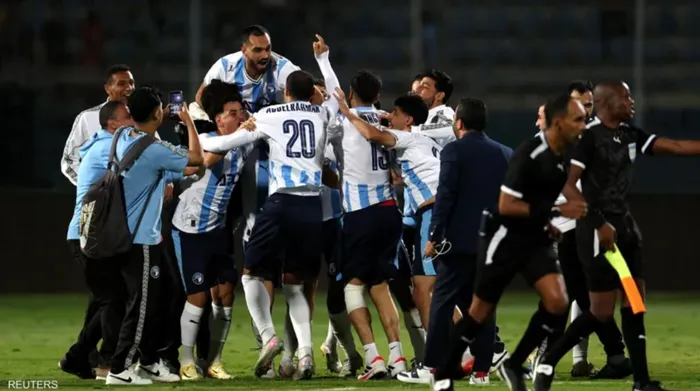
Sellimi said particular focus is likely to fall on Fouzi Lekjaa, president of the Royal Moroccan Football Federation and a leading figure in Morocco’s preparations for the 2030 FIFA World Cup.
Lekjaa’s reported decision to join PAM in July 2026 and his subsequent appointment to the party’s political bureau shortly before the parliamentary elections strengthened his political profile against the backdrop of Morocco’s recent sporting successes.
Although Lekjaa had been viewed as a possible candidate to lead the government, Sellimi said, citing several sources, that he could instead emerge as the number-two figure in Mansouri’s administration.
His experience in financial and sports administration could give him a significant role as Morocco prepares major projects and infrastructure linked to the 2030 World Cup.
Sahara Remains a Strategic Priority
On foreign policy, the Sahara issue is expected to remain among Morocco’s leading strategic priorities.
Sellimi said the issue goes beyond the day-to-day responsibilities of the government and remains a central pillar of Moroccan foreign policy, amid Rabat’s diplomatic efforts, the positions adopted by international powers and the United Nations-led process.
Relations with Spain and the European Union are also expected to remain high on the new government’s agenda.
Trade, investment, energy, migration and security are among the areas in which the government will be expected to maintain and expand cooperation with European partners.
The new administration will also face issues involving irregular migration and border security while seeking to strengthen Morocco’s cooperation with European and African countries in a changing regional and international environment.
Building a Parliamentary Majority
Before implementing its agenda, the new government will need to secure a stable parliamentary majority.
With the 97 seats attributed to PAM in the source text, the party would fall well short of the 198 seats required for an absolute majority in the House of Representatives.
According to the figures cited, the National Rally of Independents holds 66 seats and the Istiqlal Party 65.
A coalition bringing together the three parties would therefore control 228 seats, exceeding the majority threshold.
Sellimi said, however, that the main challenge would extend beyond parliamentary arithmetic.
Negotiations will also have to address the distribution of cabinet portfolios, the priorities of the government program and decision-making mechanisms within the coalition.
Disagreements over those issues could prompt Mansouri to seek support from additional political parties and broaden the governing coalition.
Jobs, Water and the 2030 World Cup
Once a coalition is established, the government will face the challenge of turning political agreements into an effective governing program.
Employment, social services, purchasing power, water management and preparations for the 2030 FIFA World Cup are expected to be among its major priorities.
According to Sellimi, the success of the new administration will ultimately depend on its ability to combine parliamentary stability with concrete responses to economic and social concerns while managing Morocco’s major strategic and foreign-policy challenges.