The presence of Gulf delegations, Sunni clerics and Palestinian leaders raises questions about the post-tension era.
Tehran – Kamal Ben Younes
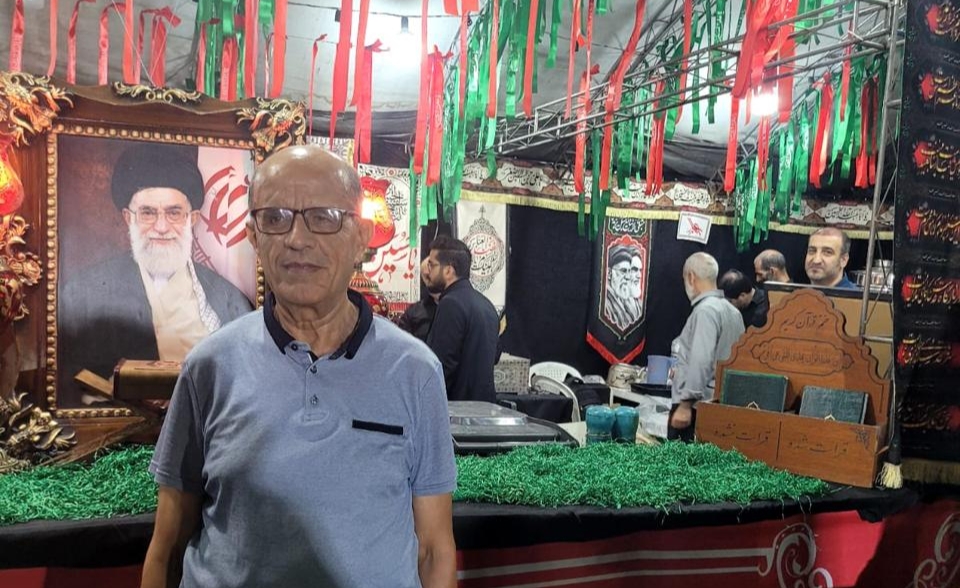
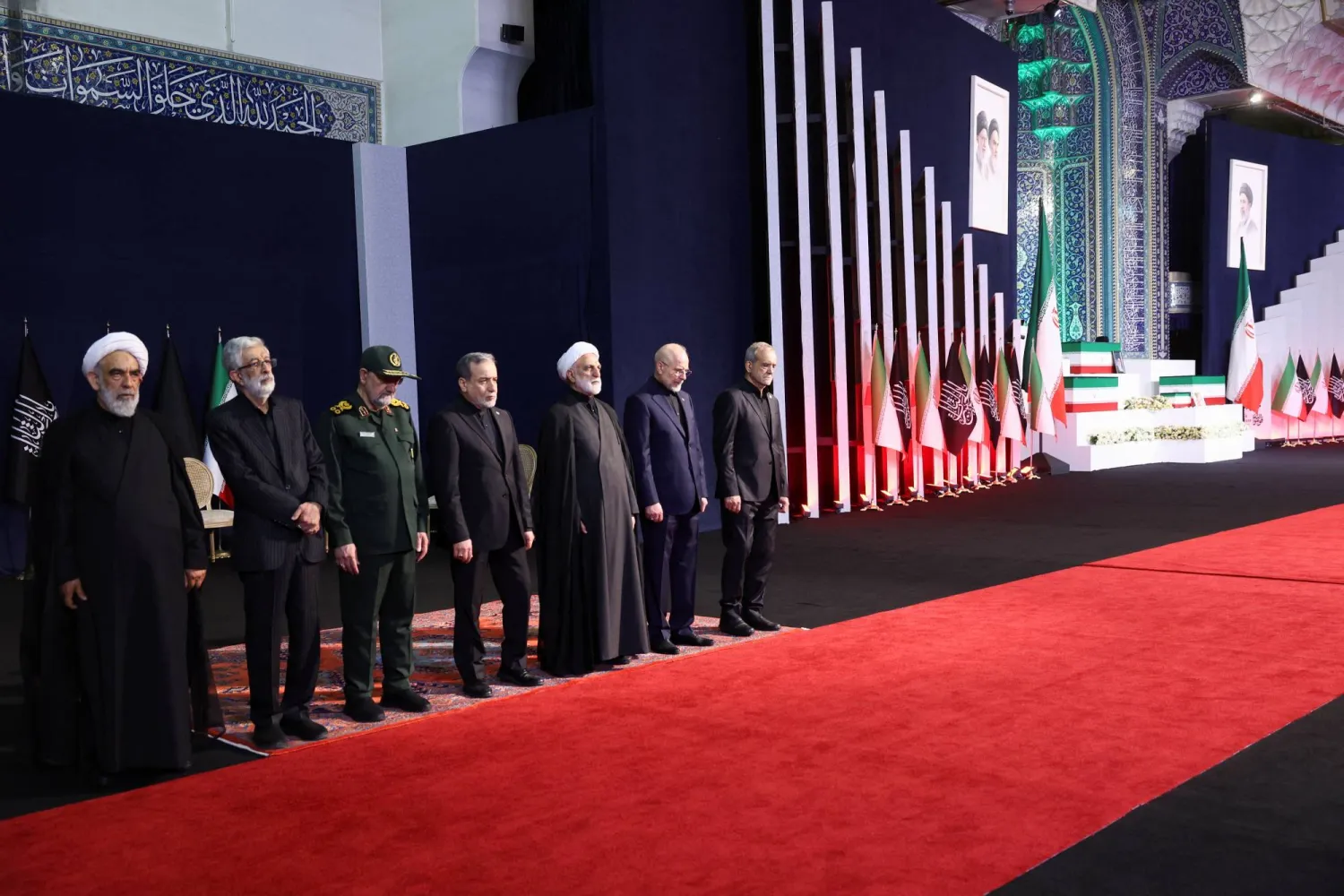
The attendance of official delegations from Saudi Arabia, Qatar and the Sultanate of Oman, alongside religious scholars, clerics and representatives of the Palestinian movements Hamas and Islamic Jihad, at the funeral ceremonies for Iran’s late Supreme Leader Ali Khamenei in Tehran was far more than a mere protocol gesture.
At a highly sensitive regional moment, these ceremonies brought together actors from different political and sectarian spheres. Some maintain official relations with the United States, others play mediation roles between Tehran and Washington, while others belong to what Iran calls the “Axis of Resistance.”
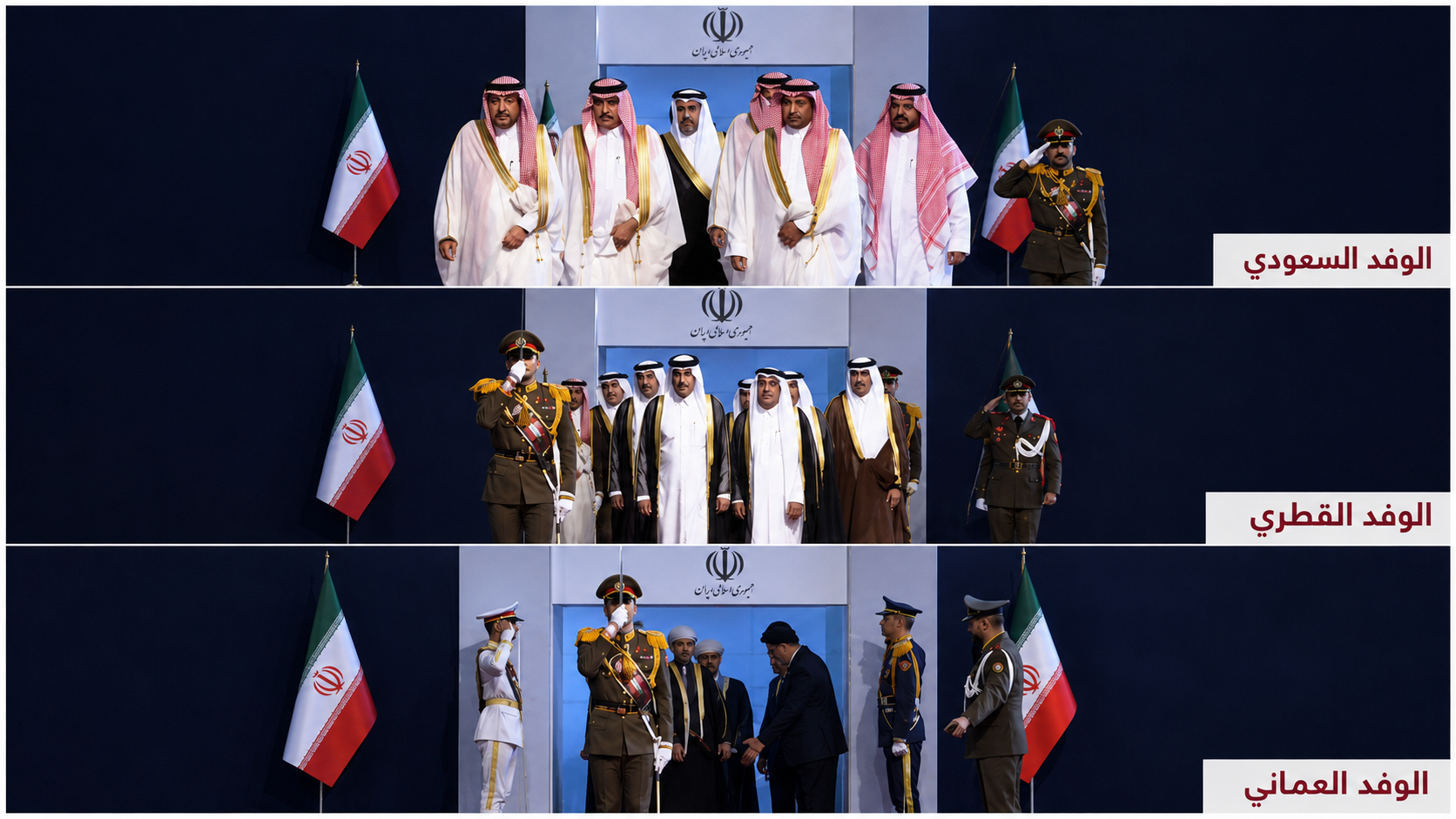
The ceremonies held in Tehran on July 3, 2026, were attended by Saudi Deputy Foreign Minister Walid Al-Khuraiji, who led an official Saudi delegation. Qatar was represented by Hassan bin Abdullah Al-Ghanim, Speaker of the Shura Council, while the Sultanate of Oman, under the orders of Sultan Haitham bin Tariq, sent an official delegation headed by Sheikh Abdulmalik bin Abdullah Al-Khalili, Chairman of the State Council.
Alongside these official delegations, the ceremony also welcomed a delegation of Palestinian scholars and religious figures, as well as representatives of several Palestinian factions. Ziyad Al-Nakhalah, Secretary-General of the Palestinian Islamic Jihad movement, appeared at the funeral ceremony, while reports also indicated the presence of a Hamas delegation and representatives of other Palestinian factions.
One of the most significant aspects of the scene was that a state whose political system is founded on a Shiite Islamic reference hosted, during a ceremony linked to one of its most important religious and political symbols, official delegations from Sunni-majority Arab states, alongside Sunni Muslim scholars and Palestinian figures affiliated with Sunni Islamic movements that have maintained long-standing relations with Tehran while also engaging with other Sunni Muslim states.
This image does not mean that sectarian or political disputes in the Middle East have disappeared. It does, however, suggest that the network of relations built by Iran over past decades cannot be explained solely through the Sunni-Shiite divide.
Saudi Arabia: A Presence That Goes Beyond Condolences
Saudi Arabia’s participation was perhaps one of the most politically significant Arab presences.
Deputy Foreign Minister Walid Al-Khuraiji led a Saudi delegation to the funeral ceremony in Tehran at a time when Saudi-Iranian relations are undergoing a complex test following years of cautious rapprochement mixed with renewed tensions.
Riyadh and Tehran restored diplomatic relations in 2023 after years of rupture. However, the 2026 war and attacks targeting infrastructure and several Gulf states revived major questions about the future of trust between the two sides.
In March 2026, Reuters reported that Iran had called for a “serious review” of relations with Gulf countries, while Saudi Arabia simultaneously reaffirmed its preference for a diplomatic settlement, warning of the consequences of continued attacks on its territory and facilities.
From this perspective, Saudi participation in the Tehran ceremonies can be read on two levels.
The first is protocol and diplomatic: respect for relations between states and the offering of condolences for the death of a de facto head of state and a leader who remained at the center of Iranian power for decades.
The second is more deeply political: even after a period of tension and regional losses, Riyadh does not appear willing to close its communication channel with Iran entirely.
Saudi participation may reflect an understanding that Gulf stability cannot be achieved through permanent estrangement and that relations with Iran, however difficult, require direct channels of communication and continuous crisis management.
In this context, the participation gains additional importance because Saudi Arabia emphasized in June 2026 the need for verification mechanisms and guarantees in any future negotiating arrangements concerning Iran, at a time when regional and international efforts were moving toward ending the war and opening a broader negotiating track.
Accordingly, the presence of a Saudi delegation in Tehran can be seen as a sign of the continuation of a dual-track policy: firmness on Gulf security issues while keeping the door to dialogue with Iran open.
Qatar: Condolences and Active Diplomacy
Qatar’s participation was marked by a high-level official representation. Hassan bin Abdullah Al-Ghanim, Speaker of the Shura Council, headed the Qatari delegation and conveyed condolences to Iranian President Masoud Pezeshkian, senior Iranian officials and the family of Ali Khamenei.
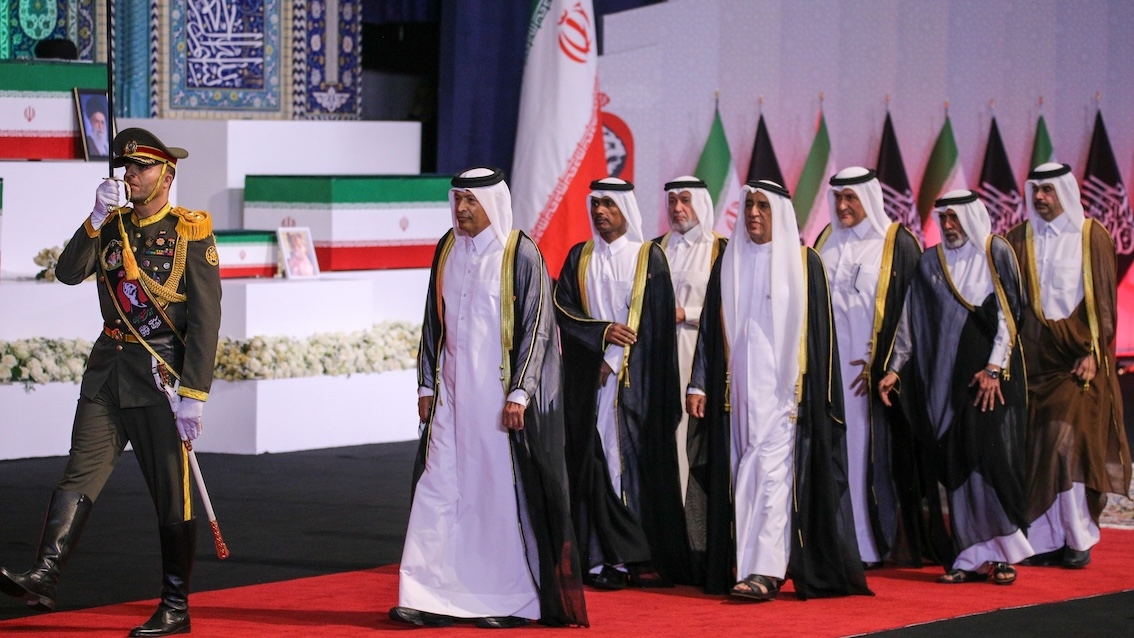
However, the significance of Qatar’s presence extends well beyond the framework of traditional bilateral relations.
In the months preceding the funeral ceremonies, Qatar played an active role in diplomatic efforts aimed at de-escalating regional tensions and opening channels for negotiations concerning both the war and relations between Tehran and Washington.
In May 2026, Reuters reported that a Qatari negotiating team had arrived in Tehran to assist efforts to reach an agreement ending the conflict. Later, in late June and early July, Doha hosted contacts and discussions related to U.S.-Iran relations and the crisis surrounding the Strait of Hormuz.
Against this backdrop, Qatar’s participation in Khamenei’s funeral can also be interpreted as an effort to preserve the political trust it has built with Tehran.
A successful mediator must maintain working relationships with opposing parties, and for years Qatar has sought to consolidate its position as a reliable communication channel during regional crises.
This does not imply that Doha endorses Iran’s policies or strategic positions. Rather, the essence of mediation lies precisely in the ability to engage with parties whose interests, alliances and political agendas differ.
From this perspective, the presence of the Speaker of Qatar’s Shura Council at the funeral sends a clear message that institutional relations with Iran will continue despite the complex political and security challenges facing the region.
Oman: The Continuation of Quiet Mediation
If Saudi Arabia’s participation reflects the future of regional reconciliation and Qatar’s attendance highlights active diplomacy, Oman’s presence represents a more deeply rooted and enduring diplomatic approach.
Under the directives of Sultan Haitham bin Tariq, an official Omani delegation headed by Sheikh Abdulmalik bin Abdullah Al-Khalili, Chairman of the State Council, attended the ceremonies in Tehran and conveyed the Sultan’s condolences to Iran’s leadership and people.

For decades, Muscat has maintained a distinctive relationship with Tehran based on dialogue, restraint, de-escalation and the preservation of communication channels.
Even before the outbreak of the 2026 war, Oman was hosting talks between the United States and Iran on the nuclear issue and other outstanding disputes. In February 2026, Reuters reported that Muscat had facilitated a round of negotiations that Iranian officials described as “a good beginning.”
Even after the regional diplomatic landscape was reshaped by the war, Iranian-Omani cooperation continued to produce practical outcomes, particularly in the field of maritime security.
In June 2026, Oman and Iran agreed to continue discussions on navigation management and maritime services in the Strait of Hormuz while establishing a joint working group dedicated to this highly sensitive issue for global trade and energy markets.
Oman’s participation therefore appears to be a natural continuation of a relationship built not on ceremonial occasions but on a long-standing diplomatic role aimed at reducing tensions and managing crises.
It also carries a clear political message: Muscat intends to preserve its channels of communication with Tehran during the post-Khamenei era, regardless of the identity or political orientation of Iran’s future leadership.
Sunni Scholars in Attendance: Beyond the Simplistic Sectarian Narrative
Alongside the political delegations, the participation of religious scholars and clerics carried a distinct symbolic significance.
According to the Iranian News Agency, a delegation of Palestinian scholars attended the ceremonies in Tehran. Meanwhile, the Russian delegation accompanying Dmitry Medvedev included representatives of the Orthodox Church as well as both Sunni and Shiite Muslim clerics.
It would be an exaggeration to interpret the participation of religious figures as evidence that the deep sectarian divisions in the Middle East have disappeared.
Nevertheless, the scene carries political and symbolic implications that are difficult to ignore.
For decades, Iran has sought to promote a political discourse that transcends sectarian identity on certain issues, particularly the Palestinian cause, while its opponents have consistently accused it of exploiting sectarian divisions to expand its regional influence.
Consequently, the presence of Sunni scholars and Palestinian figures at ceremonies honoring Iran’s highest political and religious authority reinforces Tehran’s narrative that its regional partnerships extend beyond Shiite movements alone.
The real significance of this participation, however, will depend on what follows the funeral ceremonies.
Will Iran’s next leadership develop a political discourse that is less sectarian and more focused on interstate relations? Or will renewed security tensions once again reinforce traditional regional polarization?
Hamas and Palestinian Islamic Jihad: A Relationship Beyond Sectarian Divides
The participation of leaders and representatives from Hamas and the Palestinian Islamic Jihad (PIJ) was among the most notable aspects of the Palestinian presence at the funeral ceremonies.
Ziyad Al-Nakhalah, Secretary-General of the Palestinian Islamic Jihad, attended the memorial service, while delegations from Hamas and other Palestinian factions were also present.
Hamas is a Palestinian Islamist movement with roots in the Muslim Brotherhood. The Palestinian Islamic Jihad, meanwhile, is generally classified by official U.S. sources as a Sunni Islamist movement. Despite their doctrinal differences with the Shiite-based Islamic Republic of Iran, both organizations have maintained long-standing political and military ties with Tehran.
This illustrates one of the defining features of contemporary Middle Eastern politics: strategic interests and political alliances can transcend sectarian divisions whenever common priorities converge.
For Iran, relations with the Palestinian factions have served to reinforce the centrality of the Palestinian cause in its regional foreign policy while expanding its network of allies beyond the Shiite sphere.
For the Palestinian movements, Iran has represented an important source of political, financial and military support at various stages, despite occasional disagreements over previous regional crises.
Therefore, the presence of Hamas and Islamic Jihad representatives at the funeral ceremonies was not, in itself, unexpected. However, it carries particular significance at a moment of political transition inside Iran.
The principal message is that the Palestinian factions seek to ensure continuity in their relationship with Tehran following the passing of the leader who, for decades, symbolized Iran’s policy of supporting allied resistance movements.
Conversely, Iran’s new leadership must demonstrate that the country’s regional network has not been weakened by Khamenei’s death and that it remains capable of preserving the strategic partnerships forged during his tenure.
One Ceremony, Multiple Messages
The gathering of an official Saudi delegation alongside Qatari and Omani representatives, Sunni religious scholars, and leaders from Hamas and Palestinian Islamic Jihad at the same ceremony does not indicate the existence of a unified political alliance among these parties.
On the contrary, their strategic calculations, political priorities and international relationships differ considerably.
Nevertheless, their simultaneous presence in Tehran reveals an important regional shift: states appear increasingly willing to separate political disagreements from the necessity of maintaining diplomatic engagement.
Saudi Arabia continues to pursue its own security agenda while avoiding the complete closure of dialogue with Iran.
Qatar remains committed to preserving its ability to communicate with opposing sides.
Oman continues its long-established policy of discreet mediation.
Meanwhile, the Palestinian factions allied with Tehran seek to reaffirm the continuity of their relationship with the Iranian state following the leadership transition.
The participation of religious scholars and clerics also adds a symbolic dimension that extends beyond Iran’s immediate sectarian identity.
Implications for the Next Phase
Three major conclusions can be drawn from this broad participation.
First, the Saudi-Iranian rapprochement has not entirely collapsed despite the serious setbacks it has suffered.
The presence of a Saudi delegation in Tehran following a period of acute security tensions suggests that Riyadh prefers to preserve the possibility of managing its relationship with Iran rather than returning to open confrontation. This interpretation is reinforced by the continuation of diplomatic contacts despite Saudi warnings regarding attacks on its territory.
Second, the Gulf’s engagement with Iran has become increasingly multi-layered.
Saudi Arabia represents the region’s principal political and security power.
Qatar continues to play an active negotiating and facilitation role.
Oman maintains its long-standing reputation as a trusted mediator and back-channel facilitator.
The diplomatic initiatives undertaken by Doha and Muscat throughout 2026 demonstrate that both countries remain integral components of the regional diplomatic architecture surrounding the Iranian crisis.
Third, Iran’s regional network is not based solely on sectarian affiliation.
The attendance of Sunni scholars, religious figures and leaders of Sunni Palestinian movements demonstrates that many of Tehran’s most important external relationships have been built on shared political and strategic interests rather than purely religious commonality.
Between Condolences and the Reconfiguration of Regional Relations
Ultimately, the funeral ceremonies should not be interpreted beyond their actual significance.
Offering condolences remains a normal component of diplomatic relations, and official participation in a funeral does not automatically imply an alliance or a fundamental shift in foreign policy.
Yet in the Middle East, where symbolism and protocol often carry unmistakable political messages, it would be equally misleading to dismiss this gathering as politically insignificant.
The fact that representatives of Saudi Arabia stood alongside delegations from Qatar and Oman, as well as Sunni scholars and leaders from Hamas and Palestinian Islamic Jihad, in Tehran during a pivotal political transition demonstrates that the region is not moving in a single direction.
The Middle East remains a region of intense rivalries and conflicts, but it is also witnessing persistent efforts to preserve channels of communication and redefine regional relationships.
Perhaps the most important message conveyed by the funeral ceremonies is that the post-Ali Khamenei era will not begin from a political vacuum.
Iran’s new leadership will inherit a complex web of rivalries, alliances, strategic interests and mediation mechanisms. At the same time, Riyadh, Doha, Muscat, the Palestinian factions and other regional actors will closely watch the direction taken by Iran’s future leadership.
Will it choose escalation and maintain the logic of confrontation? Or will it seek a new formula capable of preserving Iran’s regional influence while rebuilding confidence with its neighbors?
The answer will not emerge from the funeral ceremonies themselves.
However, the list of attendees has already offered a cautiously optimistic indication: despite wars, crises and deep political divisions, the doors of diplomacy in the Middle East remain open.