By Monia Ayadi, Tunisian journalist

At a time when geopolitical crises intersect with economic challenges, the repercussions of wars are no longer distant from our region; they now directly affect the future of its economies and their stability. With rising tensions in the Middle East and the possibility of the Strait of Hormuz being closed, pressing questions emerge: will the countries of the Maghreb remain mere spectators to these transformations, or can they turn risks into strategic opportunities?
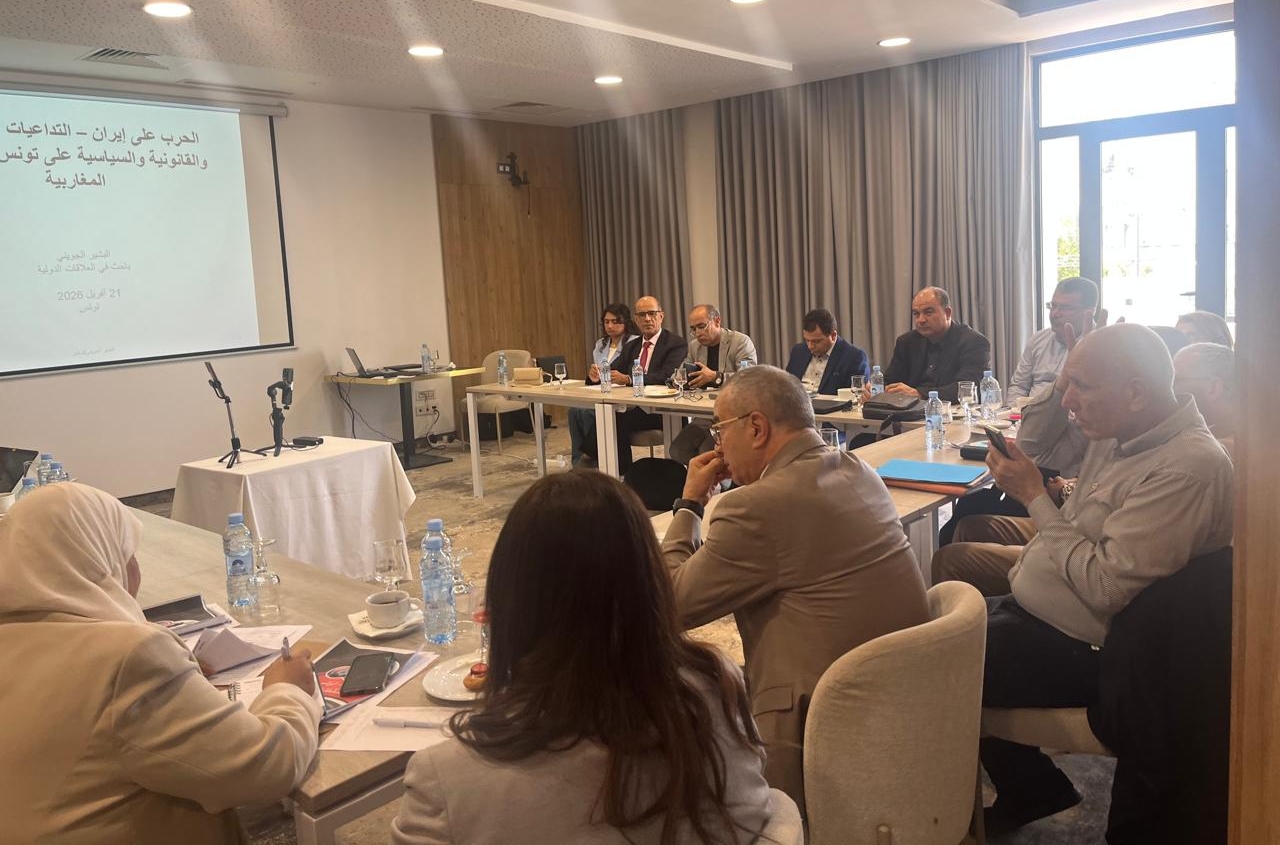
In this context, the “Tunisian Competencies” Association organized a panel discussion on Tuesday, April 21, 2026, in the capital, bringing together a group of experts in politics, economics, and international relations, including Faycal Derbal, Bechir Jouini, and Maher Kallal, alongside Members of Parliament Houda Jlassi and Ghassan Yamoun. The event provided a platform for in-depth debate on the repercussions of the Middle East war on the economies of Tunisia and the Maghreb. It was supervised and moderated by Kamel Ben Younes, an expert in international affairs and Vice President of the “Tunisia for Competencies” Association.
The discussions raised fundamental questions that impose themselves forcefully: what scale of losses can be expected for Tunisia and Maghreb economies in light of reports from international financial institutions? Do these countries possess sufficient resilience to absorb external shocks? To what extent can trade partners and energy sources be diversified to reduce risks? Can this crisis serve as an opportunity to rethink existing development models? What role can Maghreb economic integration play in confronting such crises? And finally, how can public policies adapt to these transformations and mitigate their impact on the most vulnerable groups?
Amid Global Crises: The Stakes of Energy Transition and the Resilience of the National Economy
Chokri Hidri, President of the “Tunisian Competencies” Association, stressed that the daily tangible repercussions of the ongoing war in the Middle East, along with the sharp fluctuations it generates in energy markets and global supply chains, place the region’s economies before unprecedented tests. He explained that the conflict between the United States and Israel on one side and Iran on the other is not limited to geopolitical dimensions but directly affects the financial and social balances of energy-importing countries, foremost among them Tunisia.
Hidri emphasized that, despite their severity, these challenges remain manageable and can be anticipated, provided that efforts are coordinated among public authorities, the private sector, and civil society. In this regard, he called for intensifying the search for sustainable alternatives to fossil fuels and accelerating the pace of energy transition through investment in renewable energy, thereby reducing external dependency and limiting the vulnerability of the national economy to external shocks. He also highlighted the need to adopt proactive and flexible policies to overcome negative impacts on the state budget, control deficits, protect citizens’ purchasing power, and ensure social balance.
From the Heart of Crisis to the Horizon of Opportunity: How Can Tunisia Reshape Its Economic Equation?
Financial and economic expert Faycal Derbal pointed out that Tunisia, within its Maghreb environment, has a real margin to transform the repercussions of the U.S. war on Iran from a heavy burden into a promising opportunity, provided that it adopts a comprehensive reform approach based on solid economic foundations. He argued that the current phase requires accelerating socially oriented reforms, simplifying administrative procedures, and removing obstacles facing businesses, especially small and medium-sized enterprises, in order to improve the business climate and stimulate investment. He also stressed the importance of diversifying sources of traditional energy supply oil and gas to reduce dependency and external risks.
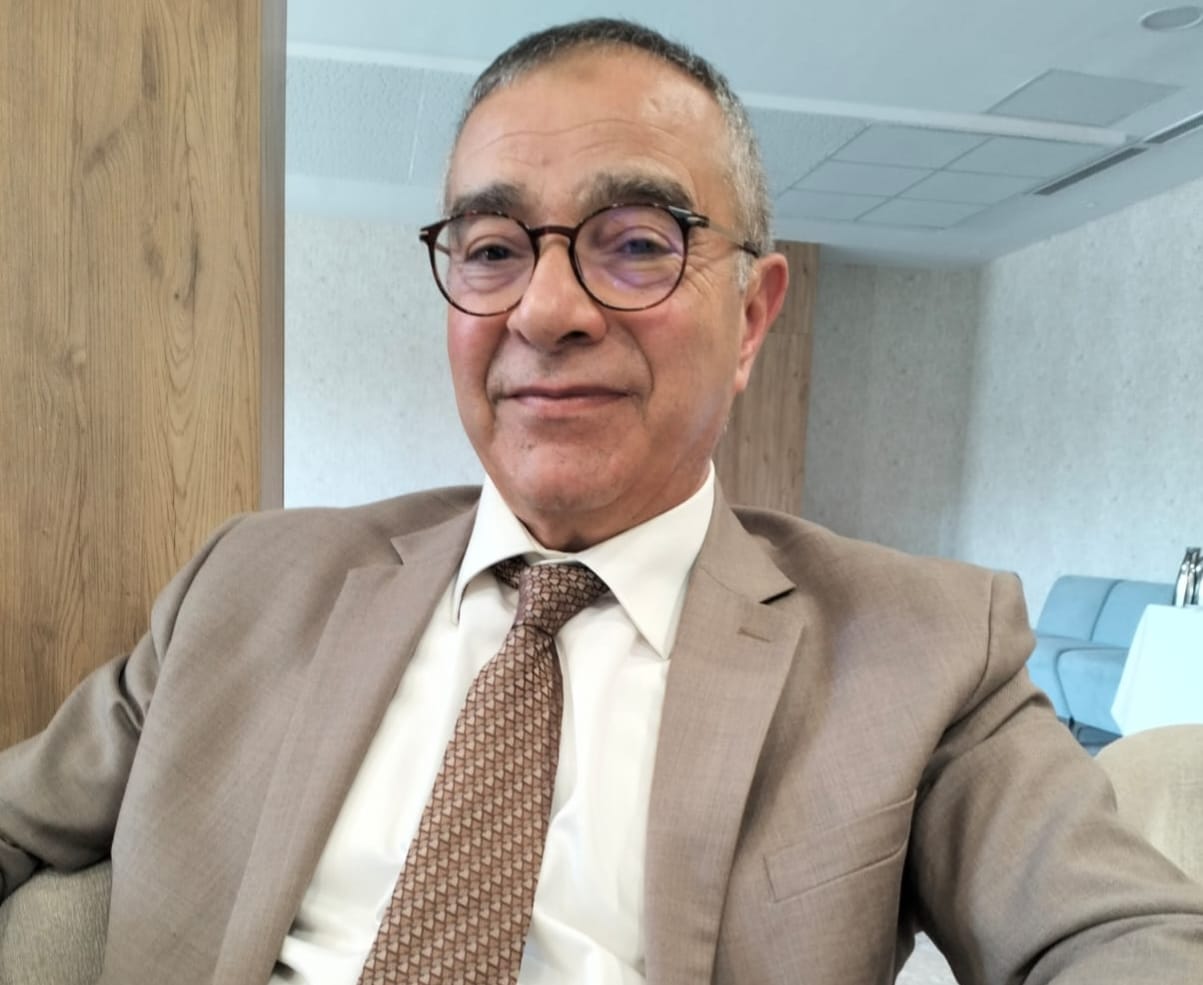
Derbal noted that achieving these objectives depends on establishing proactive mechanisms, including the creation of a crisis unit tasked with developing a “sustainable economic activity continuity plan,” capable of dealing with various potential scenarios. Among the plan’s priorities is supporting reliance on renewable energy at both individual and institutional levels to alleviate pressure caused by rising fuel import costs, as well as encouraging the transition to electric transport as a strategic future option. He also called for activating economic diplomacy and expanding openness toward Asian and African markets to create new and diversified partnerships.
The expert based his analysis on recent data from international financial institutions such as the International Monetary Fund and the European Investment Bank, which indicate that Tunisia ranks relatively low among the countries most affected by the repercussions of the Middle East war, behind several African and Arab countries. However, these relative indicators conceal real fragility in economic balances, particularly in light of disruptions to global supply chains and their potential exposure to the closure of the Strait of Hormuz, with direct consequences for energy and food prices.
In this context, the volatility of oil prices poses a significant risk. Estimates indicate that every one-dollar increase in the price of a barrel of oil could cost the state budget around 164 million dinars, according to official data—reflecting the scale of challenges facing public finances and the urgent need to accelerate reforms to avoid further pressure.
Figures, Shocks, and Open Stakes
For his part, researcher in international relations Bechiir Jouini, in his presentation titled “The War on Iran Economic, Legal, and Political Repercussions on Tunisia and the Region,” emphasized that Tunisia, although not a party to the Gulf conflict, remains one of the most vulnerable Mediterranean countries to any disruption in energy supplies, as it is a net importer of oil and gas.
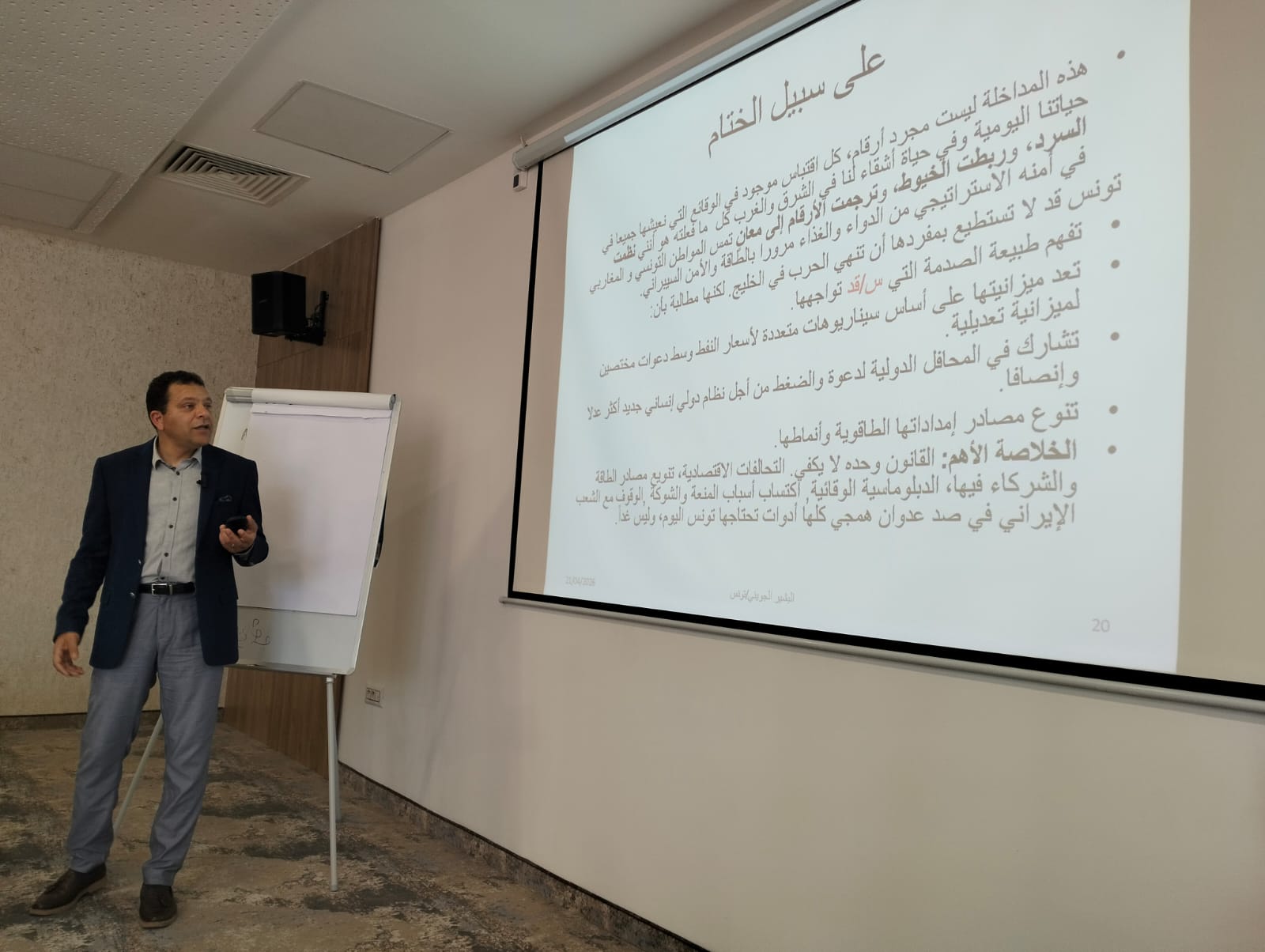
Drawing on recent data from the United Nations Economic and Social Commission for Western Asia (ESCWA), Jouini explained that the closure of the Strait of Hormuz or disruption of navigation through it would lead to a sharp rise in oil and gas prices, increasing Tunisia’s energy import bill, eroding fiscal space, and weakening citizens’ purchasing power.
He concluded that Tunisia, despite not participating in the conflict, is directly affected by rising energy prices, and that the absence of a political settlement will keep prices high and volatile. He stressed that Tunisia must understand the nature of the shock, build its budgets on multiple scenarios, diversify its energy supply sources and partners, and engage in international forums to advocate for a more just global order and support peoples’ resistance to all forms of domination and neo-colonialism, thereby contributing to the foundations of a more equitable international system.
Under Spending Pressure and Imbalance: Is Tunisia Heading Toward a Supplementary Budget?
Member of Parliament Ghassan Yamoun affirmed that the legislative authority is aware of the scale of current economic challenges, particularly those intersecting with social dimensions. He highlighted that parliamentary debates are no longer limited to the technical aspects of the budget but now directly address the impact of global crises on citizens’ purchasing power and public financial stability.
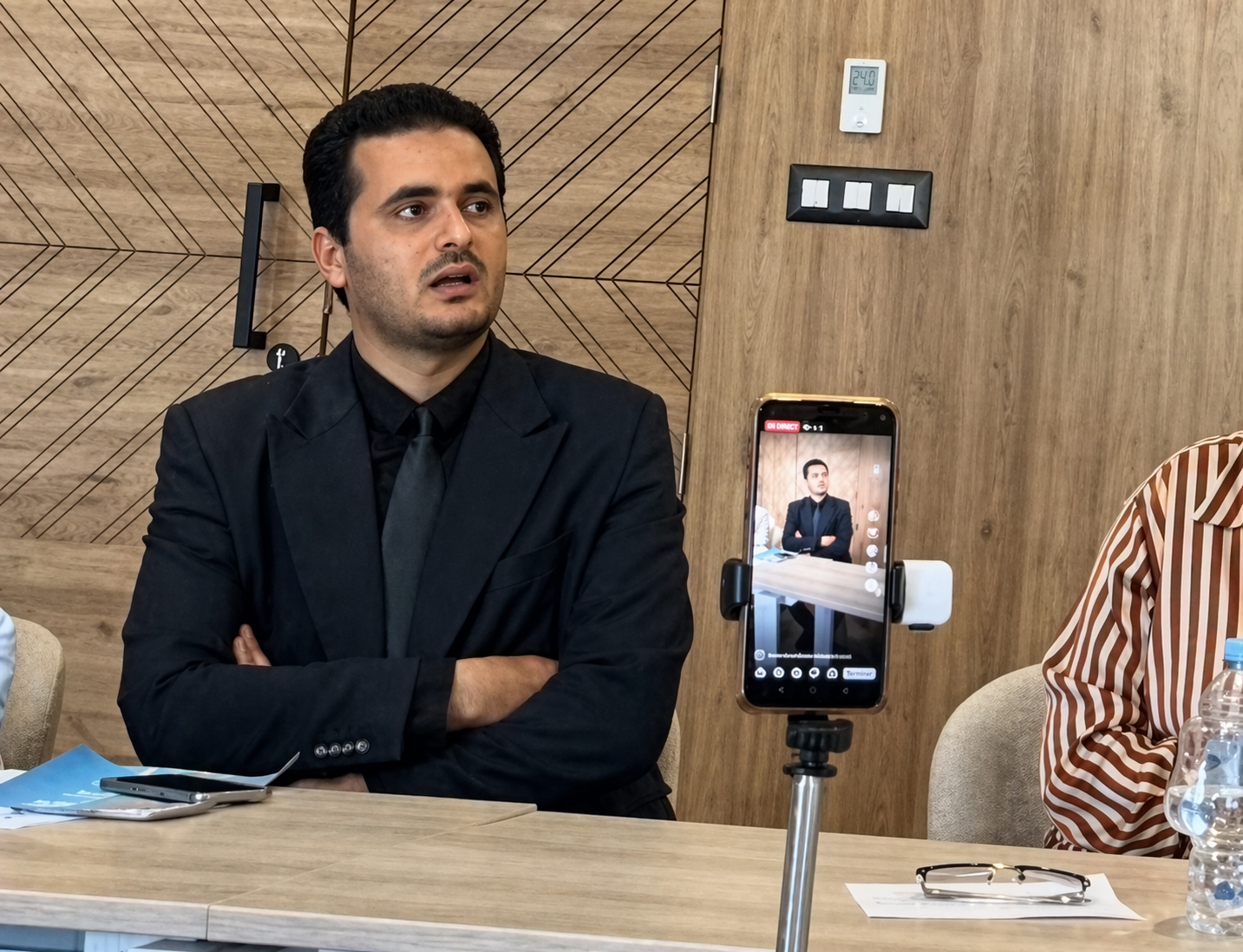
He warned that indicators recorded during the first four months of the current year signal increasing pressure on public spending, amid rising subsidy and energy costs and shrinking fiscal margins, which could effectively open the door to preparing a supplementary budget to readjust balances. He explained that this situation reflects a growing imbalance between revenues and expenditures, necessitating swift action to redefine priorities and rationalize spending.
He also stressed the need to explore innovative mechanisms to diversify budget financing sources, whether through improving tax collection, mobilizing domestic resources, or attracting foreign investment under well-considered conditions, ensuring the sustainability of public finances without overburdening the state or undermining social balances. He noted that the current phase requires closer coordination between the executive and legislative branches to develop more flexible financial policies capable of adapting to rapid international changes.
Maghreb Integration: A Missed Growth Opportunity or a Strategic Lever in Times of Crisis?
In this context, economic and investment expert Maher Kallal addressed the strategic dimensions of the Maghreb economic integration project, considering that unifying economic visions and policies among the region’s countries could increase growth by at least an additional 2% in GDP across the Maghreb space, reflecting the scale of untapped opportunities within this vital geographical area.
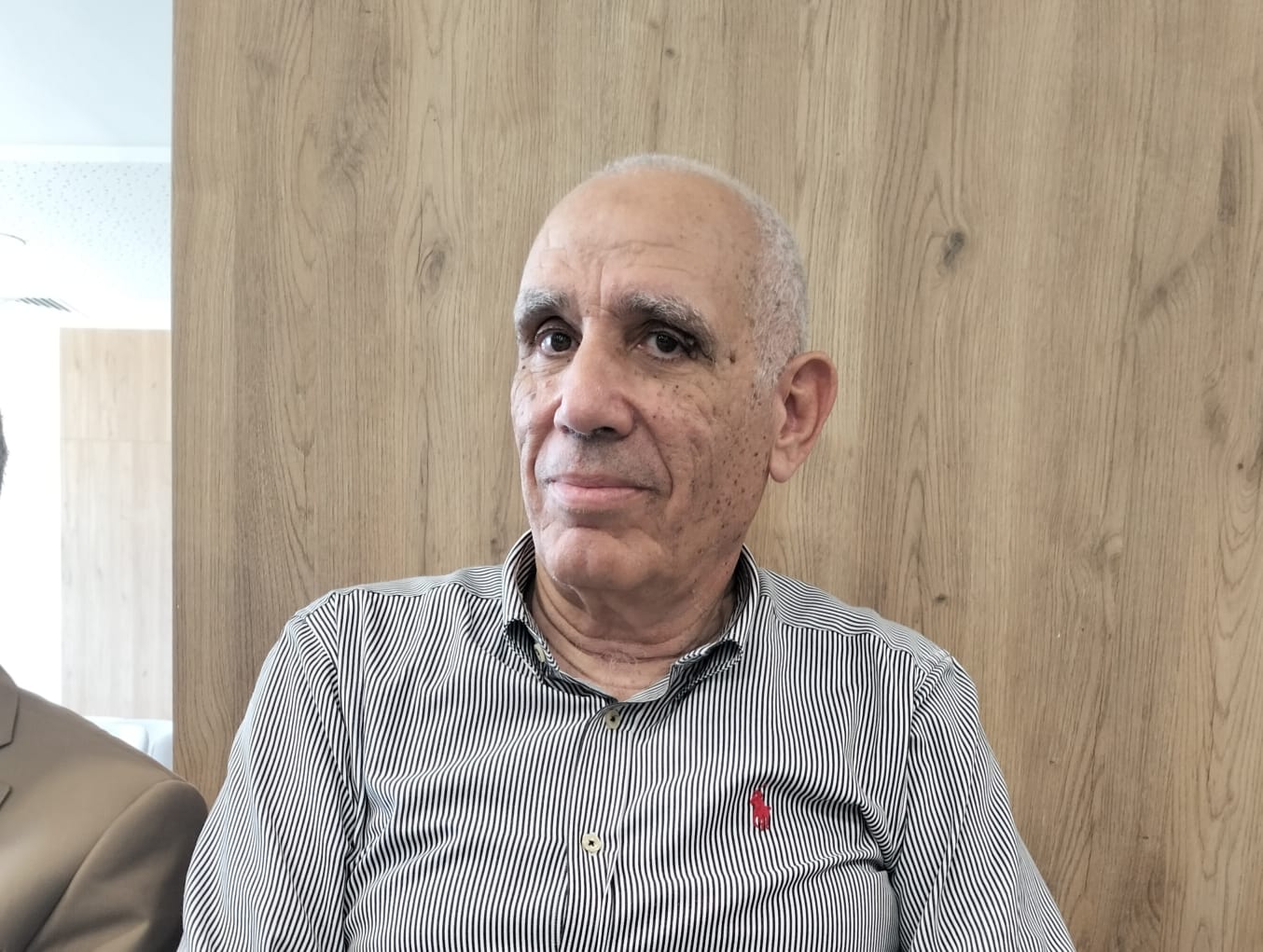
He explained that the economic structures of Tunisia and Morocco show a clear convergence in development choices, particularly in their reliance on key sectors such as tourism, phosphates, and remittances from expatriates. This, in his view, calls for enhanced coordination and integration rather than unproductive competition. By contrast, he pointed to structural differences with Algeria and Libya, which benefit directly from ongoing changes in global energy markets due to rising demand for oil and gas, granting them greater financial capacity under current international conditions.
Regarding Libya, Kallal described it as “a massive opportunity on highly complex terrain,” referring to the contradiction between its vast economic potential and the security and logistical challenges hindering optimal investment. Within this integrative framework, he proposed leveraging Tunisia’s energy infrastructure, particularly the Skhira refinery, as a strategic link between Tunisia and Libya in crude oil refining, reducing energy costs, improving supply chains, and bringing energy resources closer to consumer markets.
He added that such cooperation could positively impact the productivity of Libyan oil fields, which still suffer from limited infrastructure and exploitation capacity, with daily production not exceeding approximately 1.3 million barrels. He affirmed that developing partnerships in this field could open broader prospects for Maghreb economic integration and transform current pressures into real opportunities for growth and sustainable development across the region.
Energy and Continental Connectivity: Algeria at the Heart of the Maghreb Equation Between Europe’s Opportunities and Africa’s Ambitions
Algerian journalist and strategic affairs expert Othman Lahyani highlighted Algeria’s central position in the global energy map, placing it at the core of increasing international competition, particularly amid rising European demand for gas and the needs of neighboring countries, foremost Tunisia, for this vital resource. He explained that this strategic position gives Algeria additional weight in energy equations but also imposes internal challenges related to developing energy infrastructure to boost production capacity and better respond to growing demand.
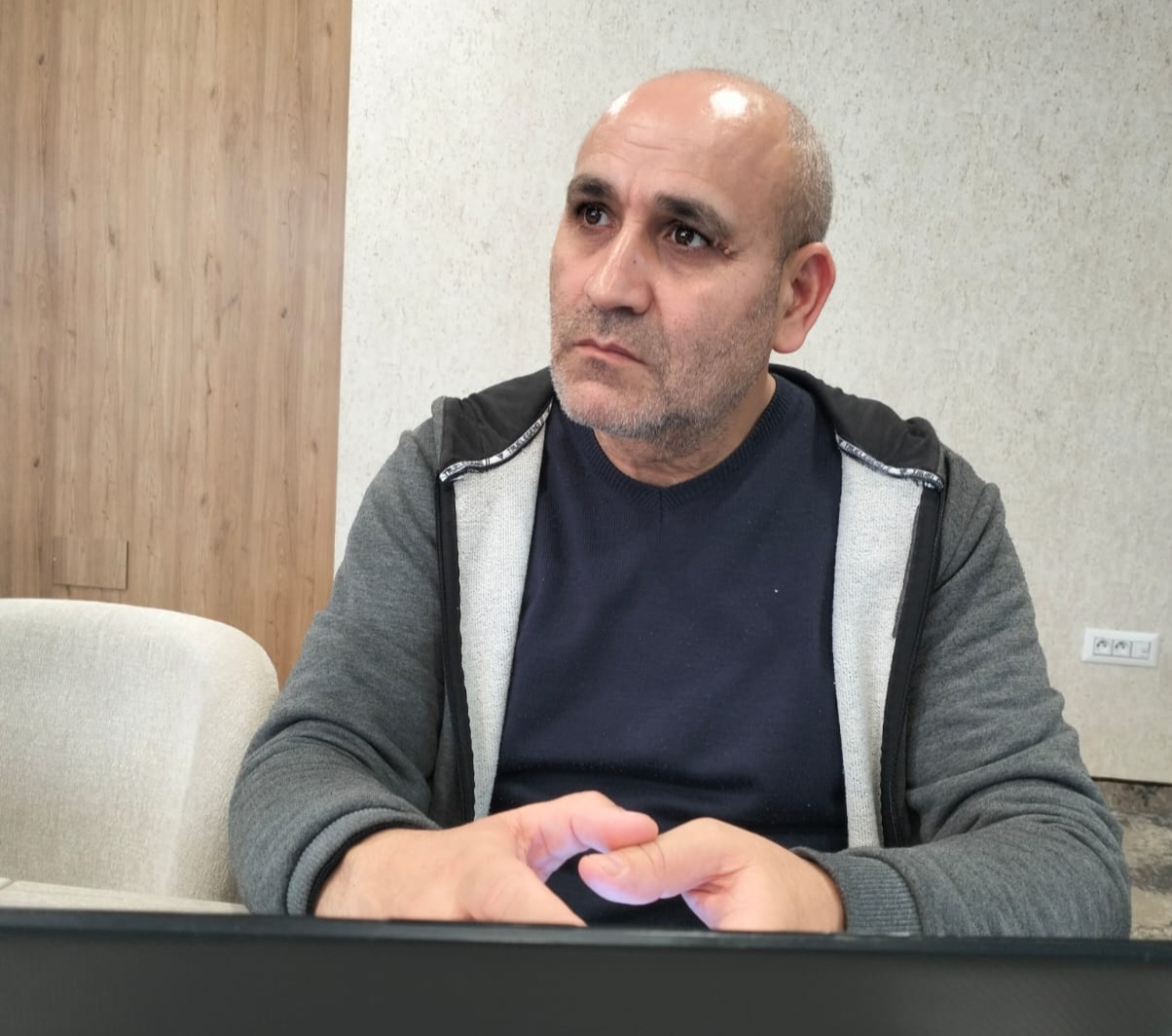
He noted that these considerations have prompted many European countries to intensify their interest in investing in Algeria’s energy sector, particularly in exploration, development, and transport, as stable energy supplies have become a decisive factor in European economic security. He also pointed out that Algeria, with a population exceeding 52 million, faces a dual challenge: meeting growing domestic demand while maintaining its position as a reliable international energy supplier.
On another level, he explained that Algeria is rapidly moving toward diversifying its economic partnerships with African countries through major projects such as highways and cross-border railway networks, opening new horizons for regional integration. He indicated that this infrastructure could also represent an important opportunity for Tunisia, particularly in facilitating the export of national products to sub-Saharan markets, thereby strengthening African economic integration.
“Non-Maghreb” and the Cost of Division: Toward a Unified Vision to Restore Economic and Social Balance in the Region
From another analytical angle, journalist Assia Arous pointed to what she described as the “cost of non-Maghreb,” arguing that the continued division among Maghreb countries is no longer merely a political issue but has become a heavy economic and social burden limiting growth opportunities and deepening structural imbalances. She explained that this situation directly affects employment indicators, particularly with rising youth unemployment and the declining capacity of national economies to generate sufficient job opportunities.
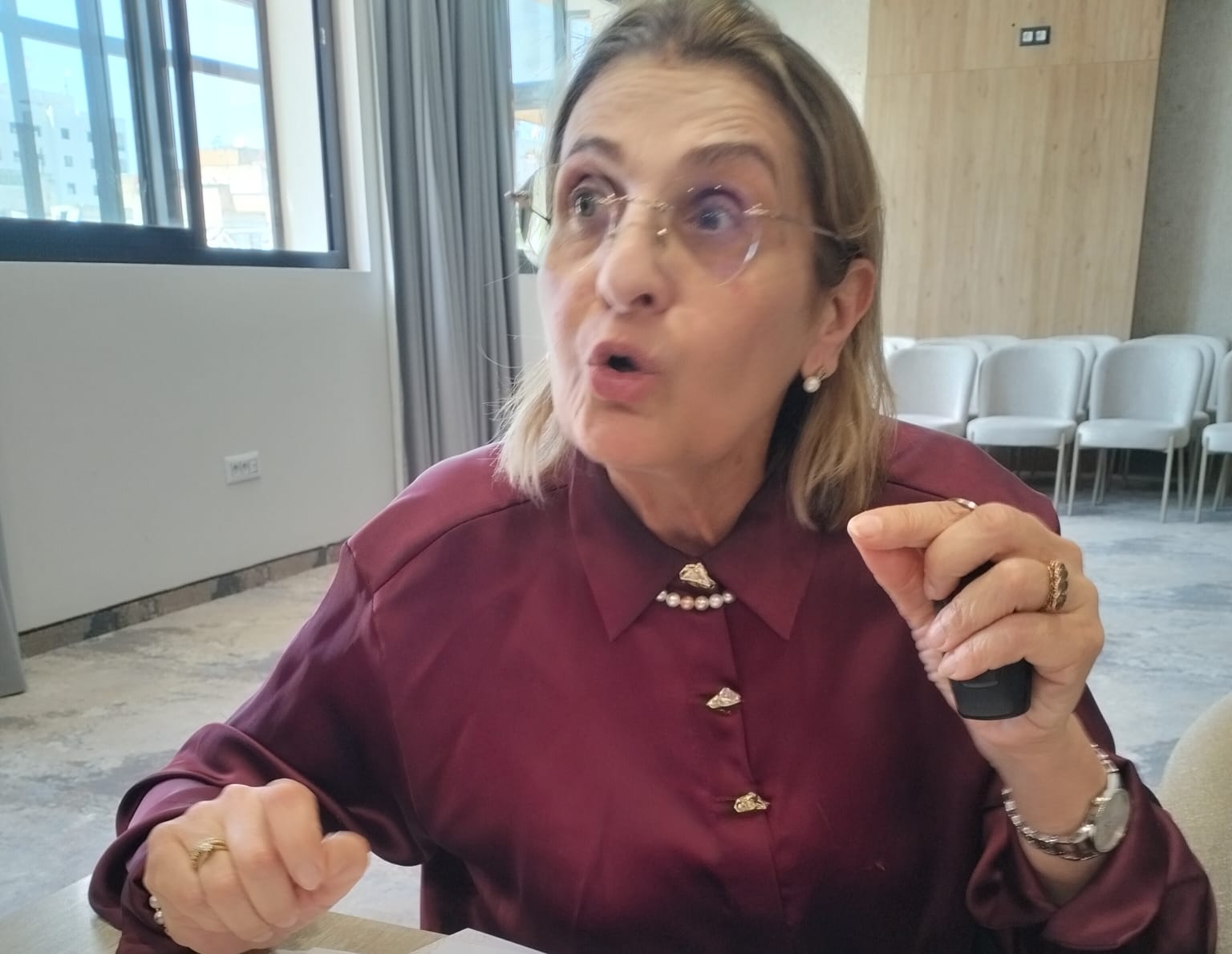
She stressed that the absence of coordination and integration deprives the region of benefiting from its shared potential whether in markets, human resources, or investment opportunities and that overcoming this situation requires rebuilding political trust and strengthening regional cooperation on practical and realistic foundations. She argued that Maghreb integration is no longer just a strategic option but an urgent necessity imposed by global economic transformations and growing social challenges.
She also emphasized that unifying the Maghreb’s approach toward international partners, particularly the European Union, would grant the region greater negotiating power and enhance its ability to secure more balanced and fair cooperation terms. A coordinated collective approach, she added, would open the door to deeper and more sustainable economic partnerships, supporting growth, reducing disparities, and strengthening the resilience of Maghreb economies against rapid global fluctuations.
Post-Conference Recommendations: Toward a Maghreb Agenda to Confront Geopolitical Shocks
The participants’ interventions concluded with a set of practical recommendations that could form the basis for more cohesive Maghreb economic action in the face of rapid geopolitical transformations. Chief among them was the call to establish a permanent coordination mechanism among Maghreb countries to monitor developments in energy markets and global supply chains, enabling rapid response to shocks and minimizing their impact on national economies.
They also emphasized the importance of accelerating energy transition through intensive investment in renewable energy and reducing dependence on traditional energy imports, considering this a strategic choice for ensuring energy security and stabilizing public budgets. In the same vein, the recommendations called for adopting flexible economic policies based on proactive scenario-building in budget preparation, rather than relying on reactive approaches.
Participants further stressed the need to revive the Maghreb economic integration project as an indispensable option to enhance the region’s negotiating power and expand trade and investment exchanges, while working toward unified approaches in dealing with international partners, especially the European Union, to ensure more balanced and equitable partnerships.
The conference also recommended supporting small and medium-sized enterprises as a key driver of growth and job creation, improving the business climate, and simplifying administrative procedures to increase the attractiveness of Maghreb economies for foreign investment. Overall, participants agreed that the current phase requires moving from crisis management to anticipation, through a collective vision that makes Maghreb integration a practical choice rather than a postponed slogan.
Conclusion
In conclusion, this panel discussion reveals that the ongoing transformations in the Middle East are no longer merely geographically distant events but have become a direct factor reshaping economic equations on the southern shore of the Mediterranean, particularly in Tunisia and the Maghreb countries. Between energy market volatility, supply chain disruptions, and increasing pressure on public finances, the region faces a real test of its ability to adapt and anticipate rather than merely react.
All interventions agreed that true strength lies not only in managing the crisis but in transforming it into an opportunity to reorder economic priorities and consolidate long-term strategic choices, such as energy transition, diversification of partners, and investment in high value-added productive sectors. These are no longer developmental luxuries but essential conditions for ensuring minimum economic and social stability.
At a deeper level, the question of Maghreb integration remains central as one of the key pathways out of economic fragility. The data presented during the discussion confirm that each country alone faces clear limits in its resilience, while collective action can open broader horizons for growth and strengthen the region’s negotiating power in the face of rapid international transformations.
Thus, the main message of the conference is clear: the economic future of the Maghreb will not be built in isolation, but through cooperation. Between the pressure of crises and the scarcity of options, the real challenge lies in moving from managing division to building integration, and from reactive responses to designing a shared vision capable of transforming challenges into a sustainable development path.