European contradictions over the war on Iran: a geopolitical reading of a crisis within the Western alliance
• Spain refuses to repeat the Iraqi scenario in Iran
• The German chancellor confirms his government’s alignment with Trump and the American far right
By Sonia Ftouhi
Journalist specialized in international affairs
As tensions escalate in the Middle East following the United States’ announcement of military operations against Iran in coordination with Israel, Europe finds itself facing a complex geopolitical test that exposes the extent of divisions within the Western camp.
While European capitals reaffirm their commitment to the Atlantic alliance, their differing positions on the war reveal a clear tension between strategic security considerations, respect for international law, and Europe’s economic interests in the region.
This crisis not only reflects disagreement over the war on Iran but also raises a deeper question about Europe’s ability to formulate an independent foreign policy from the United States regarding Middle Eastern issues.
⸻
A war without Western consensus
Washington’s decision to launch military operations against Iran, coordinated with Israel, comes amid growing confrontation over Iran’s nuclear program and Tehran’s regional influence through its allies in Lebanon, Palestine, Iraq, and Syria.
However, the decision was made without genuine consultation with European allies, raising serious concerns in European capitals about the possibility of a large-scale regional war.
Observers believe this move reflects the continuation of the unilateral approach that characterized the foreign policy of U.S. President Donald Trump.
⸻
A clear European division
European reactions to the war revealed significant divisions among major EU powers.
German Chancellor Olaf Scholz acknowledged that Iran’s nuclear program represents a real concern for international security but stressed the need to avoid a broader war.
He stated:
“Germany supports Israel’s security, but lasting solutions to Middle East crises cannot be purely military; they must be based on diplomacy and international law.”
In the United Kingdom, Prime Minister Keir Starmer stated that Britain did not participate in the initial strikes against Iran but emphasized that London will not allow Iran to develop nuclear weapons.
French President Emmanuel Macron also expressed concern about the consequences of escalation, warning that a war between the United States, Israel, and Iran would have severe consequences for global peace and security.
⸻
Spain: the European voice of opposition
Amid these divisions, Spain has emerged as the most outspoken European country opposing the war.
Prime Minister Pedro Sánchez rejected the “unilateral military action” carried out by the United States and Israel against Iran, warning that the world cannot afford another devastating war in the Middle East.
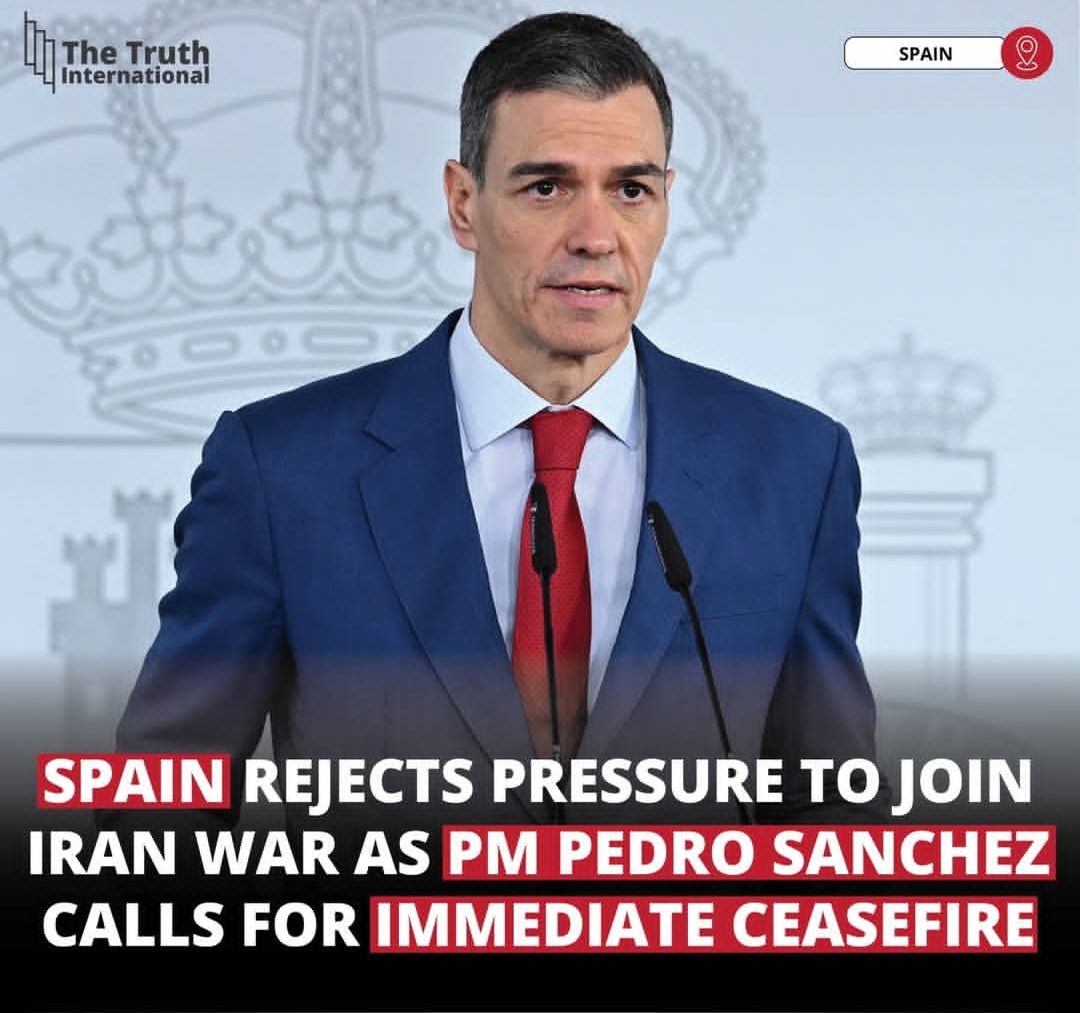
Responding to criticism from President Donald Trump, Sánchez stated:
“The world’s problems cannot be solved simply by dropping bombs.”
⸻
The memory of the Iraq war in Spanish discourse
Spain’s stance is also rooted in the historical memory of the Iraq War in 2003.
Sánchez emphasized that the Iraqi experience should serve as a lesson in dealing with international crises.
He said that the Iraq War led to the collapse of state institutions, the spread of terrorism, and long-term instability.
⸻
European calculations: energy, security, and migration
European concerns about a war with Iran also stem from economic and strategic considerations.
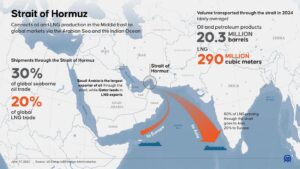
The Middle East remains a major energy source for Europe, and about 30% of global oil trade passes through the Strait of Hormuz, which could be severely disrupted in case of war.
Europe also fears renewed migration waves similar to those seen during the Iraq and Syrian conflicts.
⸻
The dilemma of the Atlantic alliance
Despite these concerns, Europe faces a strategic dilemma: maintaining the United States as a key ally especially amid the war in Ukraine and tensions with Russia while avoiding involvement in another Middle Eastern conflict.
⸻
Europe between strategic dependence and political independence
The crisis once again highlights Europe’s central challenge in global politics: balancing its alliance with the United States while seeking greater strategic autonomy.
⸻
A new international crisis
Ultimately, the war on Iran does not only represent another Middle Eastern crisis but also reveals growing fractures within the Western alliance itself.
The key question remains:
Will Europe succeed in forming a unified and independent position toward Middle Eastern crises, or will it remain constrained by the balances imposed by the Atlantic.