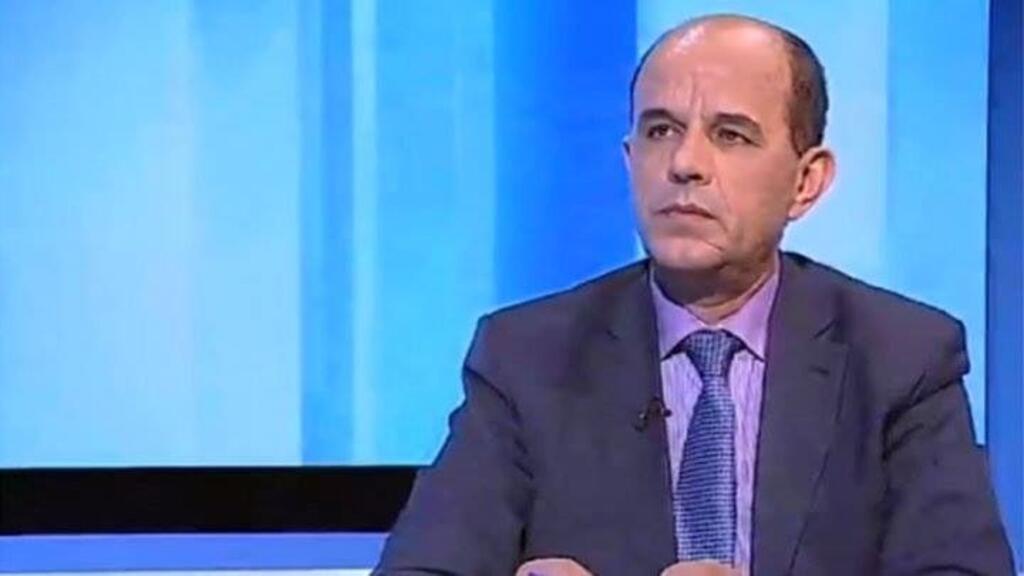
London and the European Union distance themselves from Washington and strengthen ties with Beijing, Tokyo, and New Delhi.
A historic strategic repositioning among the world’s major powers.
Kamel Ben Younes
Journalist and expert in international affairs
The repeated “pressures” and “provocations” of Donald Trump are producing a paradoxical effect in London, Brussels, and across several European capitals. Rather than closing ranks around Washington, European leaders are increasing internal coordination, openly expressing their disagreements, and then turning decisively toward Asia from China to India, via Japan and other emerging power centers.
In a global environment marked by heightened geopolitical uncertainty, several major European powers notably the United Kingdom, the European Union, Germany, and France are intensifying their political and economic dialogue with China and, more broadly, with Asia.
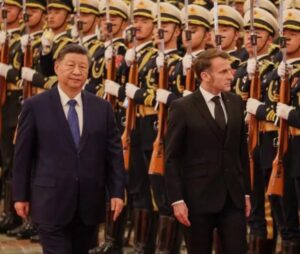
This shift reflects a broader reaction to the verbal attacks, trade pressures, and strategic unpredictability of the White House toward its traditional allies.
A Shift in Western Relations
At the beginning of 2026, British Prime Minister Keir Starmer paid what was widely described as a historic visit to Beijing the first by a British head of government in several years. The trip marked a significant step toward normalizing and strengthening relations between London and the China.
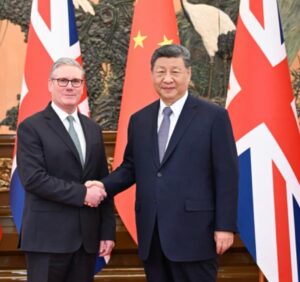
Following the visit, agreements were announced covering, among other areas, the reduction of certain trade tariffs and the introduction of short-term visa exemptions for British citizens. These measures constitute tangible signs of a deliberate economic rapprochement, despite reservations voiced in Washington.
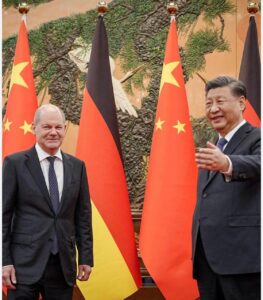
This movement extends far beyond the United Kingdom. German and French officials have also stepped up their engagement with Beijing, while institutions of the European Union are pursuing more open partnerships across Central and East Asia. Advanced economic negotiations with India, highlighted at the recent EU–India summit, illustrate this strategy of diversification.
Trump’s Attacks and the Reconfiguration of the Transatlantic Relationship
Donald Trump’s foreign policy, widely regarded as erratic by European capitals, has acted as a catalyst for this strategic realignment. The former U.S. president has openly criticized British efforts to deepen relations with China, describing them as “very dangerous” for Western interests.
Such statements have reinforced a growing belief in Europe that excessive dependence on Washington now represents a strategic vulnerability. This does not amount to a complete break with the United States. European leaders continue to affirm their commitment to the transatlantic alliance, while emphasizing the need to diversify partnerships in order to safeguard their economic, industrial, and security interests.
Recent international surveys reflect a noticeable shift in European public opinion: China’s image as a rising global power is strengthening, while the traditional appeal of American influence is waning in certain countries.
Beyond a Purely Economic Pivot
The current rapprochement with Asia is not limited to trade. Europe and the United Kingdom are also exploring technological, industrial, and diplomatic cooperation with China and several Asian countries, particularly in areas such as supply chains, energy, infrastructure, and digital security.
This strategy, however, is accompanied by intense internal debate. Critical voices both within the European Union and among its partners warn against excessive dependence on Beijing, especially in sensitive technological sectors and on issues related to human rights and strategic sovereignty.
Challenges and Prospects
This diplomatic turn opens new opportunities for European and Asian economies alike: cross-investment, technology transfers, and deeper cultural and academic exchanges.
At the same time, it raises fundamental questions:
• How can a credible balance be maintained between strategic diversification toward Asia and the preservation of historic alliances with the United States?
• What specific role should France and Germany play in this new era of great-power rivalry?
• Can closer ties with China become a sustainable long-term model, or are they merely a short-term response to the Trump administration?
In many respects, this repositioning marks a pivotal moment in the evolution of international relations in the 21st century. It reflects a global order in transition, in which Europe is increasingly seeking to assert its own strategic choices beyond exclusive dependence, whether security-related or economic, on any single power.