Cairo News – Arts and Culture
High-level diplomatic contacts between the United States, China, and Japan have revealed escalating tensions over the Taiwan issue, after statements by Japanese Prime Minister Sanae Takaichi angered Beijing and disrupted Washington’s calculations, at a time when US President Donald Trump is seeking to maintain calm with China to ensure the continuation of trade understandings between the two countries.
Avoid provoking Beijing
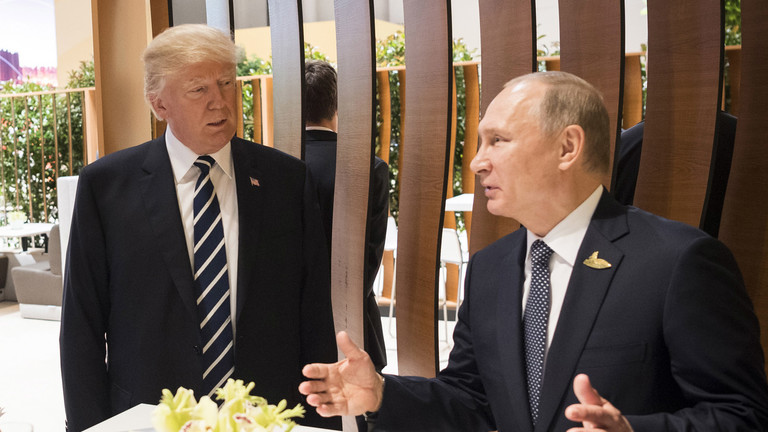
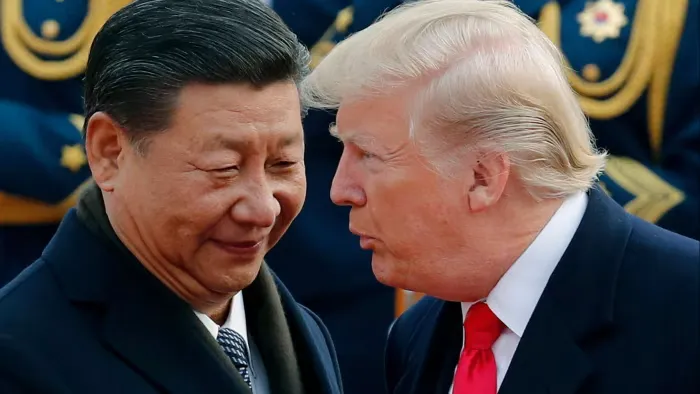
According to sources familiar with the matter who spoke to The Washington Post, Chinese President Xi Jinping spent about half an hour of a phone call with Trump this week explaining China’s “historical right” to Taiwan and emphasizing the shared responsibility of Washington and Beijing in managing the international order. This coincided with growing anger in Beijing following Takaichi’s warning that Tokyo might become militarily involved if China were to attack the island.
Hours after his call with Xi, Trump called the Japanese prime minister, advising her – according to Japanese officials and US sources – not to provoke Beijing regarding China’s declared sovereignty over Taiwan, although he did not pressure her to withdraw her statements.
Japanese officials said the letter raised concerns, as it appeared to indicate that the US president did not want the crisis with Taiwan to derail the trade truce he reached with Xi last month, which includes increased Chinese purchases of US agricultural products.
For its part, the White House, in a statement attributed to Trump, denied pressuring Takaichi, emphasizing the strength of the relationship between Washington and Tokyo and reiterating its praise for trade agreements with China and other Asian countries. The Japanese Prime Minister’s office described the reports about Trump’s advice as “inaccurate,” asserting that no such directive had been issued.
Interest first
This incident highlights the interconnectedness of trade relations between Washington and Beijing with the most sensitive geopolitical issue in East Asia. While the United States recognizes the “One China” principle without endorsing Beijing’s sovereignty over Taiwan, it continues to supply the island with defensive weapons to ensure that China does not impose a fait accompli by force.
Trump had previously praised Takaichi’s staunch defense stance and appeared with her aboard a U.S. aircraft carrier in Yokosuka, in a clear show of support for the Japan-U.S. alliance. But her recent remarks have put Washington in a difficult position as Trump seeks to strengthen ties with Xi.
Takaichi had stated before parliament on November 7 that Japan might join other countries to counter any potential Chinese attack on Taiwan, prompting Beijing to take punitive economic and diplomatic measures against Tokyo, amid escalating rhetoric from some Chinese officials who directly attacked the prime minister.
Messages between the lines
Analysts who spoke to the newspaper believe the order of the calls—first to Xi and then to Tokyo—reflects Trump’s willingness to appease his allies when their positions conflict with his priorities in managing relations with Beijing. Matthew Goodman, a former Obama administration official, said, “The order is striking and has undoubtedly raised questions in Tokyo.”
The call between Trump and Xi focused on trade from Washington’s perspective, particularly given the US administration’s concerns about China’s slow progress in fulfilling its promises to purchase soybeans and other agricultural products. Xi’s primary concern, however, was Taiwan, stating that “Taiwan’s return to China is a fundamental element of the post-World War II international order,” according to the Chinese interpretation of the call—a veiled reference to Japan as the losing side in the war.
Press reports in September indicated that Xi was seeking a direct pledge from Trump to oppose Taiwan independence, but the US State Department confirmed that it rejects “any unilateral change to the status quo by any party,” considering China to be “the greatest threat to peace and stability in the Taiwan Strait.”
Easing the tone of escalation
In the Japanese parliament, Takaichi tried to soften the situation, stressing that she did not intend to go into “specific details” about scenarios for Japan’s intervention in the event of a crisis in Taiwan, in what some analyses considered an indication of her desire to contain the tension with Beijing without deviating from traditional Japanese policy.
For his part, Trump described his call with Takaichi as “great,” adding: “She is smart and strong, and she will be a great leader.”