Cairo News – Mazen Islam
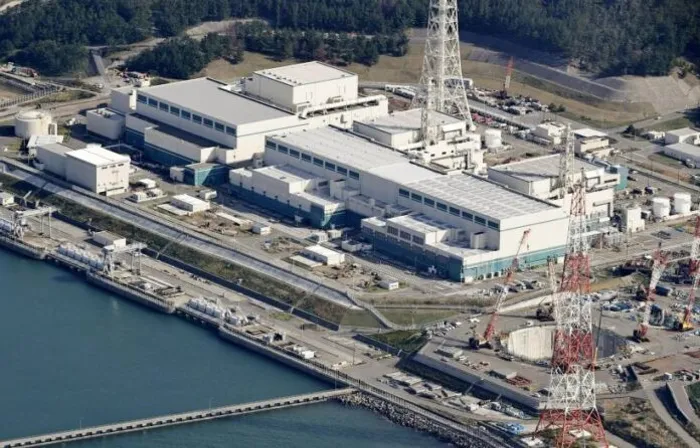
Japan is preparing to take a pivotal step in its energy policy, with the imminent restart of the Kashiwazaki Kariwa nuclear plant in Niigata Prefecture, the world’s largest nuclear facility.
The plant has remained largely out of operation since the 2011 Fukushima Daiichi disaster, which caused a profound shock to Japan’s nuclear power sector and raised widespread safety concerns.
With its increasing reliance on imported fossil fuels since the accident, Tokyo is seeking to reintegrate nuclear power into its strategy to ensure energy security and reduce carbon emissions. Resuming operations at this plant represents a significant step toward reviving the country’s nuclear capacity.
The importance of the decision
The commissioning of the Kashiwazaki-Kariwa plant marks a turning point in Japan’s efforts to reduce its reliance on fossil fuel imports by providing a low-carbon electricity source that supports its climate commitments. The impact of this decision extends beyond the environmental and energy sectors to encompass economic and social dimensions, signaling a restoration of public confidence in the safety of nuclear facilities following the Fukushima disaster.
This trend also reflects the progress made by TEPCO, the main operator of the plant, in improving safety procedures, rebuilding its reputation, and fulfilling its post-disaster compensation obligations.
The decision-making parties are distributed among governmental, regulatory and local bodies, most notably TEPCO, which is responsible for ensuring safety standards and regulatory compliance, the governor of Niigata and the local association who have the authority to approve the restart, the Japanese Nuclear Regulation Authority which is supposed to grant pre-operation approval for generating unit No. 6, in addition to the local communities that are economically and security-wise affected by the restart process, and the central government which sees nuclear energy as a pillar for achieving energy security and climate goals.
Next steps
The Niigata Prefectural Assembly is scheduled to begin voting on the governor’s resolution regarding partial restart on December 2. If approved, TEPCO will apply for pre-use confirmation from the Nuclear Regulation Authority, a process expected to take three to four weeks.
If the procedures are completed without objections, Unit 6 of the plant could be restarted by January, which would mark TEPCO’s first nuclear restart since the Fukushima disaster in 2011.