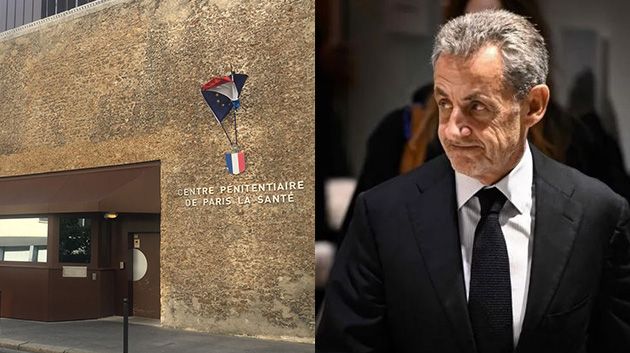
Sarkozy was punished for receiving Gaddafi in France in 2007
The trial of President Nicolas Sarkozy has imposed itself as a major event on the global stage — including in our own country.
And not only because of our historical relationship with France and our interest in its affairs, but perhaps also because of a missing element in the case that concerns our country and the entire Maghreb region.
Experience has taught us that the judiciary, which exists to achieve justice, is not free from manifestations of injustice — just like any other institution of society. Nevertheless, I personally find it surprising that this injustice could reach the point of imprisoning a head of state after a trial that lasted for years, in a country as established, democratic, and media-free as France.
I find it unlikely that judges would embark on such an “adventure” — or be motivated by vengeance — to the extent of issuing such a ruling against an adversarial figure who still wields influence in the French political scene, without considering the consequences on themselves or their country’s stability.
It is certain that the judges did not obtain all the evidence needed for conviction, given the complexity of the case — for it is not easy for someone like Sarkozy to leave behind clear and simple proof of guilt. This led the judges to acquit him of three corruption-related charges. Yet, it seems clear that the accusation remained firmly rooted in their minds.
There are, in my opinion, two incidents that are far from innocent and they constitute strong evidence of President Sarkozy’s involvement.
The first incident was Gaddafi’s visit to France in 2007, which lasted a full five days, during which he imposed his usual and extravagant rituals in every respect especially when he set up his tent in the Louvre Square, in a scene that shocked French and Western public opinion alike.
The mere presence of Gaddafi with all that he represented in the Western imagination at the time, and his link to the Lockerbie plane bombing was enough to provoke the Western conscience.
The second incident was Sarkozy’s initiative to liquidate Gaddafi at the start of the Libyan revolution, when he led the Franco-American-British military coalition.
At that time, in our ignorance of the depths of politics and in our naivety, we believed that Sarkozy’s decisive and energetic move to launch airstrikes against Gaddafi’s regime was motivated by a desire to stand with the Libyan people and support the Arab Spring.
However, time has proven that Sarkozy did not bother to study the consequences of the Libyan regime’s collapse on neighboring countries, nor did he consult those countries that paid a heavy price foremost among them Tunisia, which found itself forced to host more than a million Libyan refugees.
Naturally, this aspect was completely absent from the proceedings of the case, since it is not part of Western judicial tradition to question a head of state about the consequences of his policies on other countries.
Yet no reasonable person can imagine that these two incidents for which Sarkozy bears full responsibility — were innocent or devoid of personal motives.
In essence, they represent two sides of the same deal: rewarding Colonel Gaddafi and rehabilitating his image by allowing him an official state visit to France in 2007; then eliminating Gaddafi at the first available opportunity during the 2011 events, in an attempt to erase the traces of that deal — without any regard for the disastrous consequences that might follow — while clearly exploiting his influence and France’s military power for personal and ignoble purposes.
I am not among those who rejoice at Sarkozy’s downfall, but I believe that the five-year sentence he received carries within it a measure of leniency.
This is how I understand the matter, and I think that the French judiciary has tried, at least partially, to correct what some politicians have corrupted through actions unworthy of a country like France a nation with such a deep democratic history.
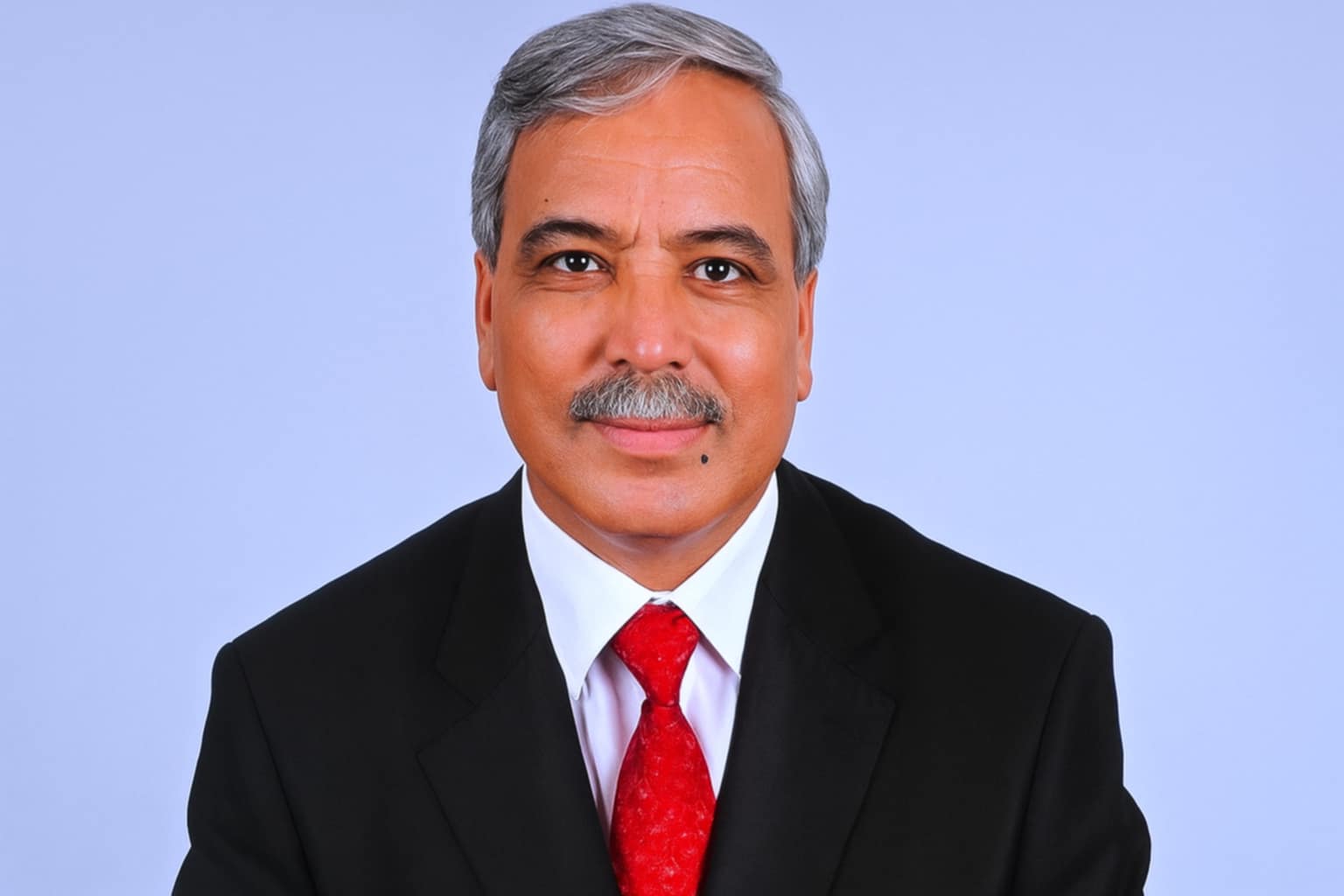
Kamal Al-Ayadi
(International expert and former minister)