Colombia Recognizes Moroccan Sovereignty over “Western Sahara” Marking Major Policy Shift
Move signals a new chapter in Colombia-Morocco ties and could reshape Rabat’s diplomatic outreach in Latin America
CALI, Colombia, Aug. 8, 2026 — Colombia has announced a major shift in its policy on “Western Sahara “recognizing Moroccan sovereignty over the disputed territory in a move that could strengthen Rabat’s diplomatic position in Latin America.
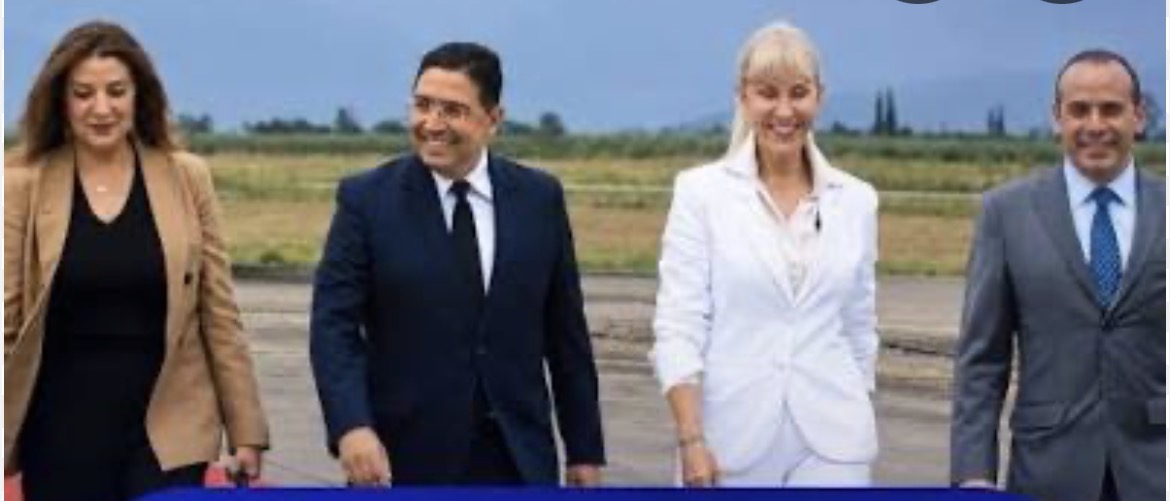
The announcement came in Cali following talks between Moroccan Foreign Minister Nasser Bourita and senior officials from Colombia’s new administration, opening the door to closer political and economic ties between Bogotá and Rabat.
Colombian Foreign Minister Omar Bula Escobar said his country “recognizes Morocco’s sovereignty over its Sahara,” while Vice President José Manuel Restrepo described the move as a “new beginning” in bilateral relations.
Restrepo also portrayed Morocco as Colombia’s leading ally in Africa and said the new administration intended to develop a strategic partnership with the North African kingdom.
Morocco welcomed the announcement as a significant diplomatic development.
Bourita described Colombia’s decision as “historic,” saying it added momentum to international support for “Morocco’s autonomy initiative for Western Sahara.”
Morocco proposed the autonomy plan in 2007, offering the territory a degree of self-government under Moroccan sovereignty. Rabat considers the proposal the “most viable basis for resolving the decades-old dispute.”
Bourita also highlighted opportunities for greater economic cooperation, saying Morocco and Colombia could serve as gateways for each other to Africa and Latin America.
A Policy Reversal in Bogotá
The announcement represents a reversal of Colombia’s previous policy toward the “Western Sahara dispute “ and comes as the country’s new administration reshapes its foreign policy.
The previous Colombian government had restored relations with the Sahrawi Arab Democratic Republic (SADR), proclaimed by the Polisario Front, which seeks independence for Western Sahara.
Morocco has sought to expand international backing for its autonomy proposal and encourage countries to reconsider their relations with the SADR.
Rabat views the Colombian decision as part of a broader diplomatic trend toward support for its position on the territory.
The move could also have wider implications for Morocco’s diplomatic strategy in Latin America, a region where positions on Western Sahara have historically varied significantly between governments.
UN Political Process Continues
Despite Colombia’s policy shift, Western Sahara remains the subject of a United Nations-led political process.
The United Nations continues to call for a political solution to the dispute, while the Security Council supports negotiations conducted under the auspices of the UN Secretary-General and his Personal Envoy.
Colombia’s recognition does not change that international framework, but it could alter the diplomatic landscape surrounding the dispute in Latin America.
For Morocco, the decision represents another step in its campaign to broaden international backing for its autonomy initiative.
For Colombia, the policy shift signals an effort to deepen political, economic and security cooperation with Morocco and strengthen its engagement with Africa.
The two governments have also emphasized the potential for Morocco to serve as a bridge for Colombian businesses and institutions seeking greater access to African markets, while Colombia could provide Morocco with a platform for expanding its economic and diplomatic presence in Latin America.
Beyond the Western Sahara dispute, the rapprochement reflects Morocco’s broader push to strengthen ties across Latin America as global and regional alliances continue to evolve.
Cette version emploie notamment “Western Sahara” et “disputed territory”, formulations plus adaptées à une dépêche internationale qui cherche à distinguer les positions des différentes parties des affirmations factuelles de l’article.