Potential Military Bases and the Implications of an Indirect Conflict in North Africa and the Mediterranean
By Monia Ayadi

Introduction
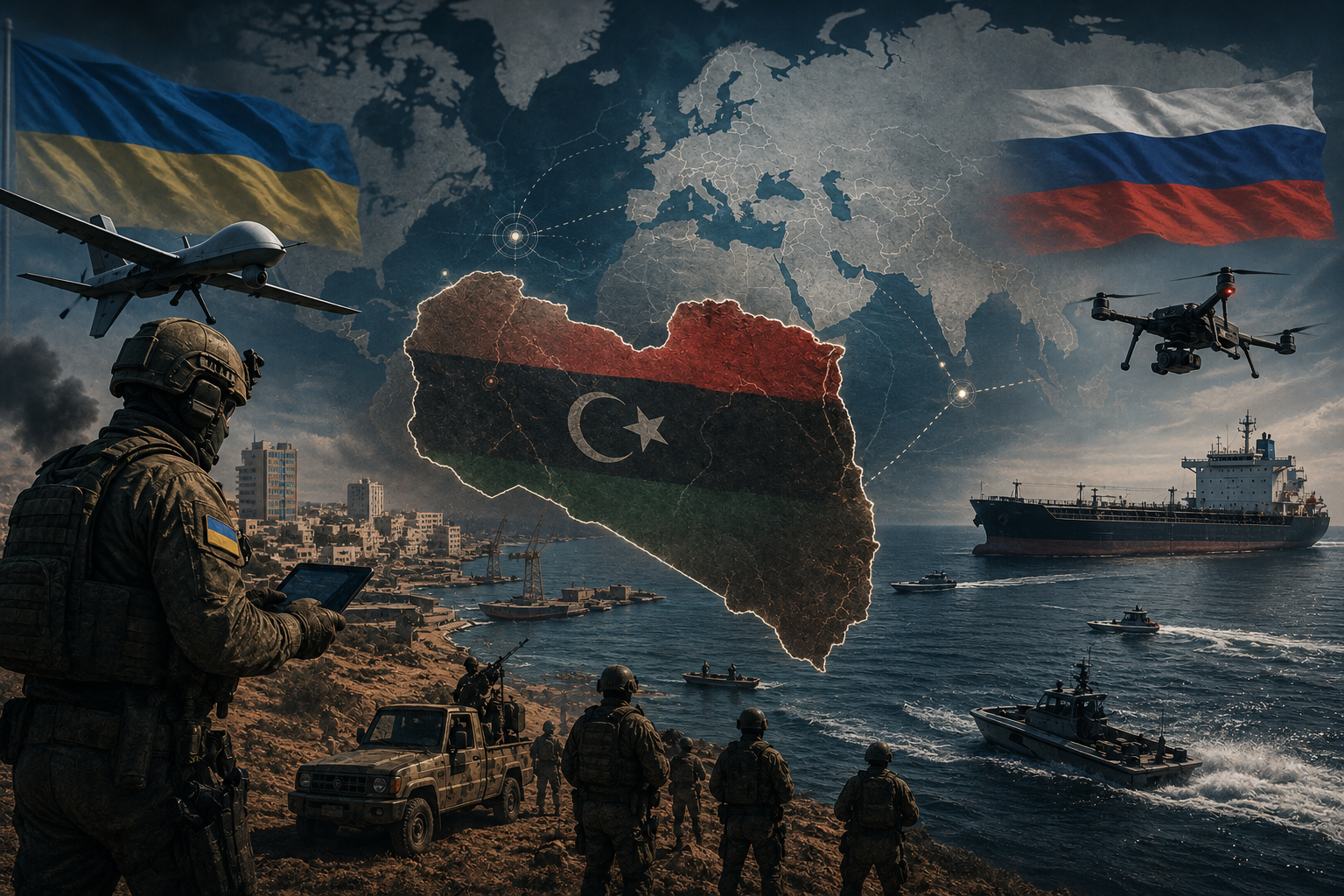
Libya has become a central arena of international competition in recent years, amid ongoing political and military fragmentation since 2011. The escalation of the Russia–Ukraine war now appears to extend beyond Europe, with emerging indications that part of this confrontation may be shifting toward Libyan territory, particularly in the western region of the country. According to several Western media investigations and reports, Ukrainian military personnel and experts are allegedly present in Libya in coordination with authorities in Tripoli, as part of what is described as a “shadow war” targeting Russian interests in Africa and the Mediterranean.
Ukrainian Presence in Libya
Geographical Deployment and Strategic Logic
Available information suggests that this presence is mainly concentrated in western Libya, under the control of the Government of National Unity. This deployment appears to reflect a broader strategy aimed at extending the confrontation with Moscow beyond Eastern Europe and targeting Russian spheres of influence in the Mediterranean and North Africa. Libya’s fragmented security landscape and the multiplicity of foreign actors operating within its territory create a favorable environment for such discreet operations, making it a highly sensitive geopolitical space.
1. Misrata
Misrata is considered a key strategic hub where reports indicate the possible presence of Ukrainian experts within military facilities, including the air academy, alongside Turkish, Italian, and U.S.-linked actors. The city holds significant strategic advantages due to its key maritime position in the Mediterranean, its relatively advanced military infrastructure, its major port and logistical capacity, and its central role in the military balance of western Libya. Its proximity to vital maritime energy routes further increases its importance within the broader Russia–West geopolitical confrontation, with some analysts suggesting possible indirect coordination between Ukraine and Turkey in drone warfare and intelligence activities.

2. Zawiya and the Mellitah Area
Reports point to the existence of an operational facility near the Mellitah oil and gas complex that may be equipped for drone and unmanned naval systems. This area is of major strategic significance due to its energy infrastructure, which supplies European markets, and may also serve as a platform for monitoring Russian activities in the Mediterranean, particularly so-called “shadow fleets” used to bypass international sanctions. The Zawiya region itself, affected by smuggling networks and irregular migration flows, adds another layer of complexity where energy security, migration, and geopolitical competition intersect within the same fragile environment.
3. Tripoli Periphery
In the surrounding areas of Tripoli, there are reports of coordination between Ukrainian experts and local armed formations, particularly around Brigade 111 near the Tripoli airport road. These locations are believed to be used for intelligence coordination, drone training, electronic warfare activities, and broader surveillance and data collection operations. Given Libya’s institutional fragility and political fragmentation, the capital has effectively become a contested space for multiple foreign intelligence operations, further intensifying the country’s geopolitical vulnerability.
Ukraine’s Objectives in Libya
1. Undermining Russian Influence in Africa
Ukraine seeks to expand its confrontation with Russia beyond its immediate borders by targeting Russian networks across Africa and the Mediterranean. Within this framework, Libya represents a strategic node in Moscow’s African presence. The objective is to disrupt Russian logistical chains, monitor maritime activities, and weaken its influence across North Africa and the Sahel region, where Russia has expanded its geopolitical and military footprint in recent years.
2. Expanding Maritime Warfare Against Russia
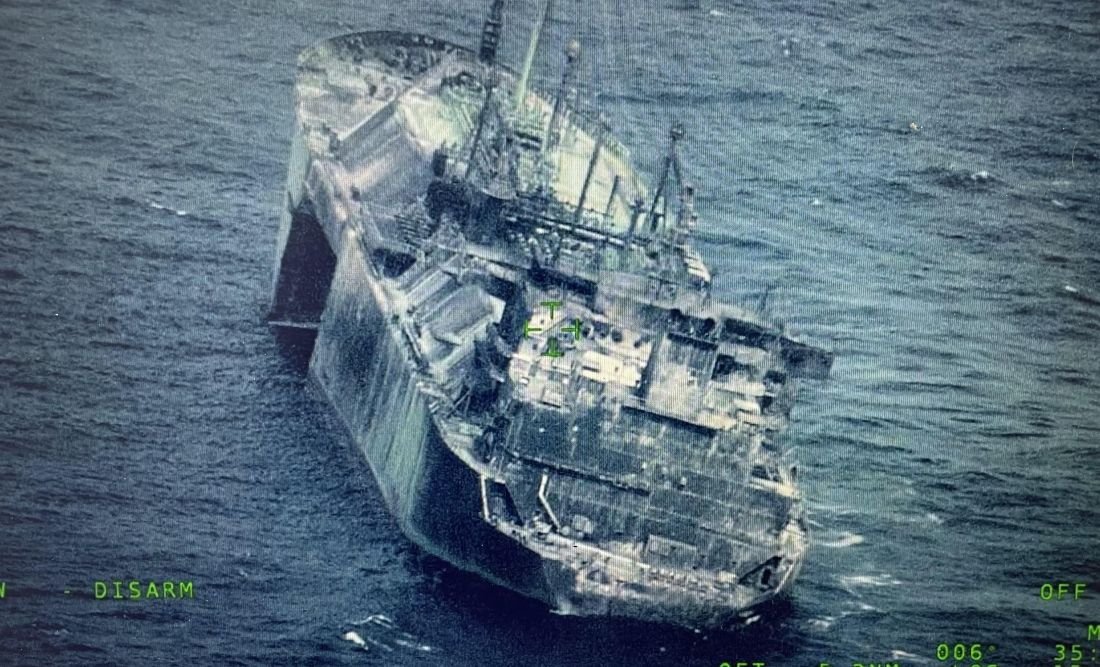
Some reports suggest that Ukraine may seek to extend maritime warfare by deploying naval drones from areas near the Libyan coast to target Russian-linked vessels operating in the Mediterranean. If confirmed, such developments would mark a significant escalation of the conflict, effectively transforming the Mediterranean into a new operational theater in the Russia–Ukraine confrontation, with serious implications for maritime security and global energy routes.
3. Building New Security Alliances
Ukraine is also working to strengthen ties with Western- and Turkish-aligned actors in Libya. This includes military training programs, the transfer of drone warfare expertise, intelligence cooperation, and potential involvement in energy-related projects. These efforts reflect a broader strategy aimed at embedding Ukraine within emerging regional security networks outside its traditional geopolitical space.
Relations with Turkey and the West
The Ukrainian presence in Libya cannot be understood independently from broader geopolitical alignments involving Western powers and Turkey. The United States and NATO continue to provide intelligence and military support to Ukraine, while Turkey maintains a strong military and political presence in western Libya. In parallel, growing Turkish–Ukrainian cooperation in drone technology and defense systems reinforces the perception of an emerging alignment of interests. As a result, Libya increasingly appears as a convergence point for overlapping Western, Turkish, and Ukrainian strategic objectives directed against Russian influence.
Possible Russian Response
In response to these developments, Russia may intensify its support for eastern Libyan forces aligned with Field Marshal Khalifa Haftar, thereby reinforcing military and defensive capabilities in that region. At the same time, Moscow is likely to expand its intelligence presence in Libya and the broader Sahel region in order to closely monitor Ukrainian and Western activities, particularly those involving drones and maritime operations. Furthermore, Russia could leverage Libya’s vulnerabilities in energy production and migration routes as indirect pressure tools against Europe and Western interests.
Impact on Libya and the Maghreb Region
1. A Proxy War Scenario
Libya risks evolving into an indirect battlefield between Russia and Ukraine, which would deepen internal divisions and accelerate the militarization of the country. Such a scenario would transform Libya from a domestic conflict zone into a component of a broader international confrontation, significantly increasing instability.
2. Threat to North African Security
Neighboring countries, including Tunisia, Algeria, and Egypt, could face growing instability due to increased arms trafficking, militant mobility, and cross-border security threats. The spillover effects of the Libyan conflict have historically demonstrated the fragility of regional security structures, and further escalation could intensify these risks.
3. Threat to Energy Routes and the Mediterranean
The Mediterranean could gradually evolve into a high-tension military environment, threatening global energy flows and maritime trade routes. Any disruption in Libyan coastal zones or surrounding waters could have direct consequences for European energy security and international shipping networks, further destabilizing an already sensitive geopolitical space.
Military Bases: Between Reality and Information Warfare
There is currently no official confirmation of permanent Ukrainian military bases in Libya. Most available information is derived from media reports and analytical assessments rather than verified official sources. In the context of ongoing information warfare between Moscow and Kyiv, many narratives may serve strategic, political, or propaganda purposes, making careful verification essential before drawing firm conclusions.
Conclusion
Libya is increasingly emerging as a critical node in global geopolitical competition. Whether fully confirmed or partially speculative, reports of a Ukrainian presence reflect broader transformations in the security architecture of the Mediterranean and North Africa. This evolving dynamic increases the risk of regional instability and reinforces Libya’s role as a major intersection of international rivalries and competing power strategies.