Africa at the Heart of a Global Geoeconomic Reconfiguration
A Western “Neo-Colonial” Agenda Targeting the Global South in marginal of Cameroun trade Summit
By Kamal Ben Younes, journalist and expert in geostrategic studies
The holding of a World Trade Organization (WTO) meeting in Cameroon from March 26 to 29 comes at a pivotal moment in the history of the global economy. At a time when multilateral trade is increasingly weakened by rivalries among major powers, this event goes far beyond its technical nature, reflecting deeper geostrategic shifts in which Africa is becoming a central arena for global influence.
Africa at the Center of Economic Competition
With a population exceeding 1.4 billion and an average growth rate estimated between 3% and 4% in recent years (according to the World Bank), Africa represents a rapidly expanding market. It also holds nearly 30% of the world’s reserves of strategic minerals, including cobalt, manganese, and lithium—essential resources for the global energy transition.
This attractiveness explains why major powers are intensifying their presence on the continent. The European Union remains Africa’s leading trading partner, accounting for about 28% of its external trade. However, China has emerged as the largest bilateral partner, with trade volume exceeding $280 billion in 2023, according to official Chinese data.
Europe and the Criticism of “Economic Neocolonialism”
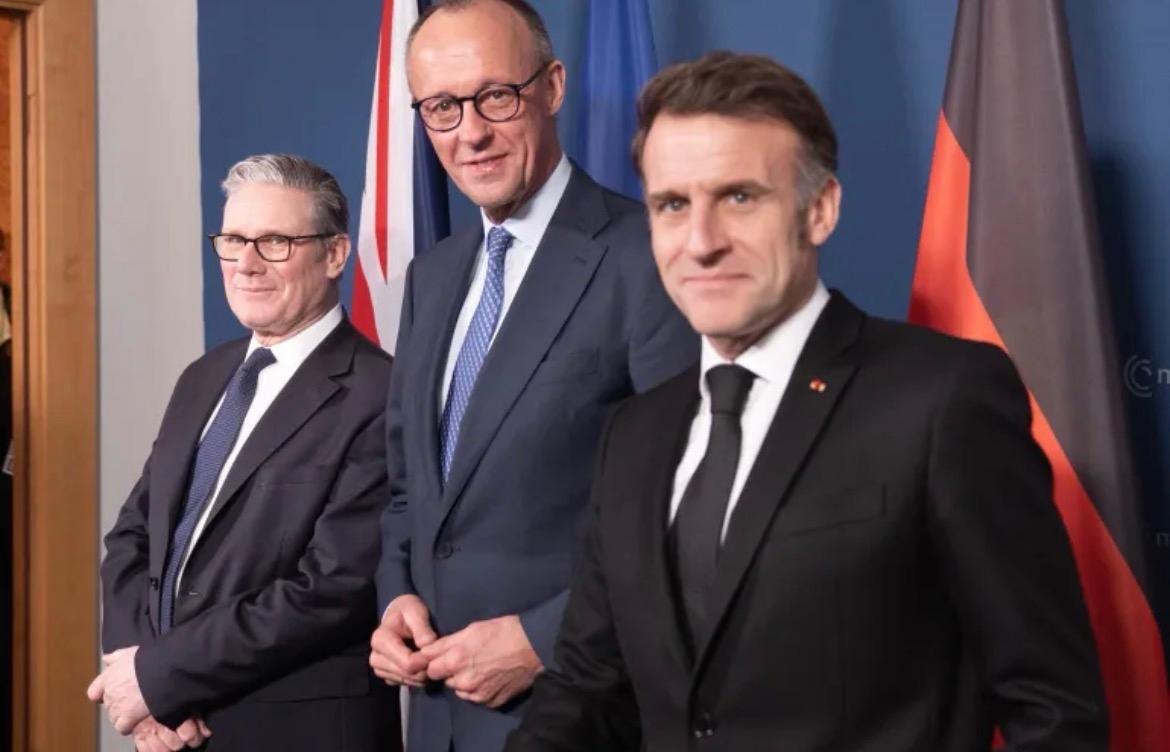
In this context, European trade policies are increasingly debated. Economic Partnership Agreements (EPAs), negotiated between the European Union and several African blocs, are presented by Brussels as tools for development. However, they are facing growing criticism from African voices.
Cameroonian economist Célestin Monga stated:
“EPAs risk locking African economies into primary specialization, to the detriment of industrialization.”
Some analysts also criticize the imposition of strict technical and environmental standards which, although necessary, can act as non-tariff barriers that are difficult for African producers to meet. In addition, the European Union’s Carbon Border Adjustment Mechanism (CBAM) could negatively impact carbon-intensive African exports.
This trend is increasingly seen as reflecting a form of “neo-colonial” economic interventionism in Africa.
China and Russia: Alternative Models?
In contrast to what is described as a “neo-colonial” European approach, China offers a different model, focused on infrastructure development and direct investment.
The “Belt and Road Initiative” has financed ports, railways, and industrial zones across several African countries. According to the African Development Bank, Chinese investments in Africa have exceeded $150 billion over the past two decades.
Beijing promotes a “win-win” cooperation model without explicit political conditionalities. However, this approach is not without criticism. Some observers warn of excessive debt risks. Zambia’s default in 2020 is often cited as an example of vulnerabilities linked to external financing dependence.
Russia, for its part, follows a more targeted strategy focused on security, energy, and natural resources. While its economic weight remains limited compared to China or the European Union, its political influence is growing in certain African regions.
A WTO Under Pressure
Amid these rivalries, the WTO is facing a crisis of legitimacy and effectiveness, particularly due to conflicting interests among major Western powers.
Since 2019, its Appellate Body—central to resolving trade disputes—has been paralyzed due to blocked judicial appointments.
As WTO Director-General Ngozi Okonjo-Iweala stated:
“The multilateral trading system must be reformed to remain relevant in a fragmented world.”
Trade tensions between the United States and China, economic sanctions against Russia, and the rise of protectionist policies have all weakened the foundations of free trade. According to Global Trade Alert, more than 3,000 trade-restrictive measures have been introduced worldwide since 2020.
Cameroon and Africa: A Strategic Opportunity
In this context, the choice of Cameroon as host is far from incidental. Located in Central Africa, the country serves as a regional economic hub and a gateway to the markets of the Economic Community of Central African States (ECCAS).
For African countries, this meeting represents an opportunity to strengthen their voice in international trade negotiations. The African Continental Free Trade Area (AfCFTA), which came into force in 2021, could play a key role in boosting continental economic integration.
According to the United Nations Economic Commission for Africa, AfCFTA could increase intra-African trade by more than 50% by 2030.
Between Risks of Instrumentalization and the Quest for Autonomy
However, the main challenge remains avoiding Africa’s instrumentalization in great power rivalries. Competition between Europe, China, and Russia could push some African countries toward unbalanced positions, potentially undermining their strategic interests.
Several experts warn against the “politicization of trade,” where economic agreements become tools of geopolitical influence. As Senegalese researcher Fodé Ba noted:
“Africa does not need to choose a camp, but to build balanced and diversified partnerships.”
Conflicting Interests and Conclusion
The WTO meeting in Cameroon clearly reflects the profound transformations shaping the global economic order. Between narratives of cooperation and dynamics of power, Africa now stands at a historic crossroads.
It can either remain a battleground for external competition or emerge as an autonomous pole capable of defending its interests in a multipolar world. The core challenge is therefore economic, political, and strategic: enabling the continent to move from being an object of globalization to becoming a fully-fledged actor in shaping its rules.