+ Misunderstanding, intolerance and new risks
+By Kamel Ben Younes, journalist and expert in geostrategic studies
+Political rhetoric shaped by international crises
The recent rise of hostile rhetoric toward Muslims in parts of the American political class is unfolding within an international context marked by tensions in the Middle East and strategic confrontation with Iran. In contemporary U.S. history, geopolitical crises have often had repercussions on the domestic political climate. The attacks of September 11, 2001 already triggered a wave of suspicion toward Muslim communities. Two decades later, a new phase of identity-based tensions appears to be emerging, fueled by international conflicts and deep political polarization within American society.
A measurable increase in Islamophobic acts and rhetoric
Recent data confirm a significant rise in intolerance and discrimination. In the United States, the Council on American-Islamic Relations (CAIR) reported 8,061 anti-Muslim incidents in 2023, representing a 56% increase in a single year, the highest number recorded since the organization began collecting such statistics nearly three decades ago.
In 2024, the trend did not reverse. The organization documented 8,658 complaints related to discrimination and Islamophobia, a historic record linked in part to geopolitical tensions and an increasingly polarized political environment.
At the same time, federal statistics indicate that hate crimes in the United States remain at historically high levels, with 11,679 incidents reported in 2024, one of the highest totals since national data collection began.
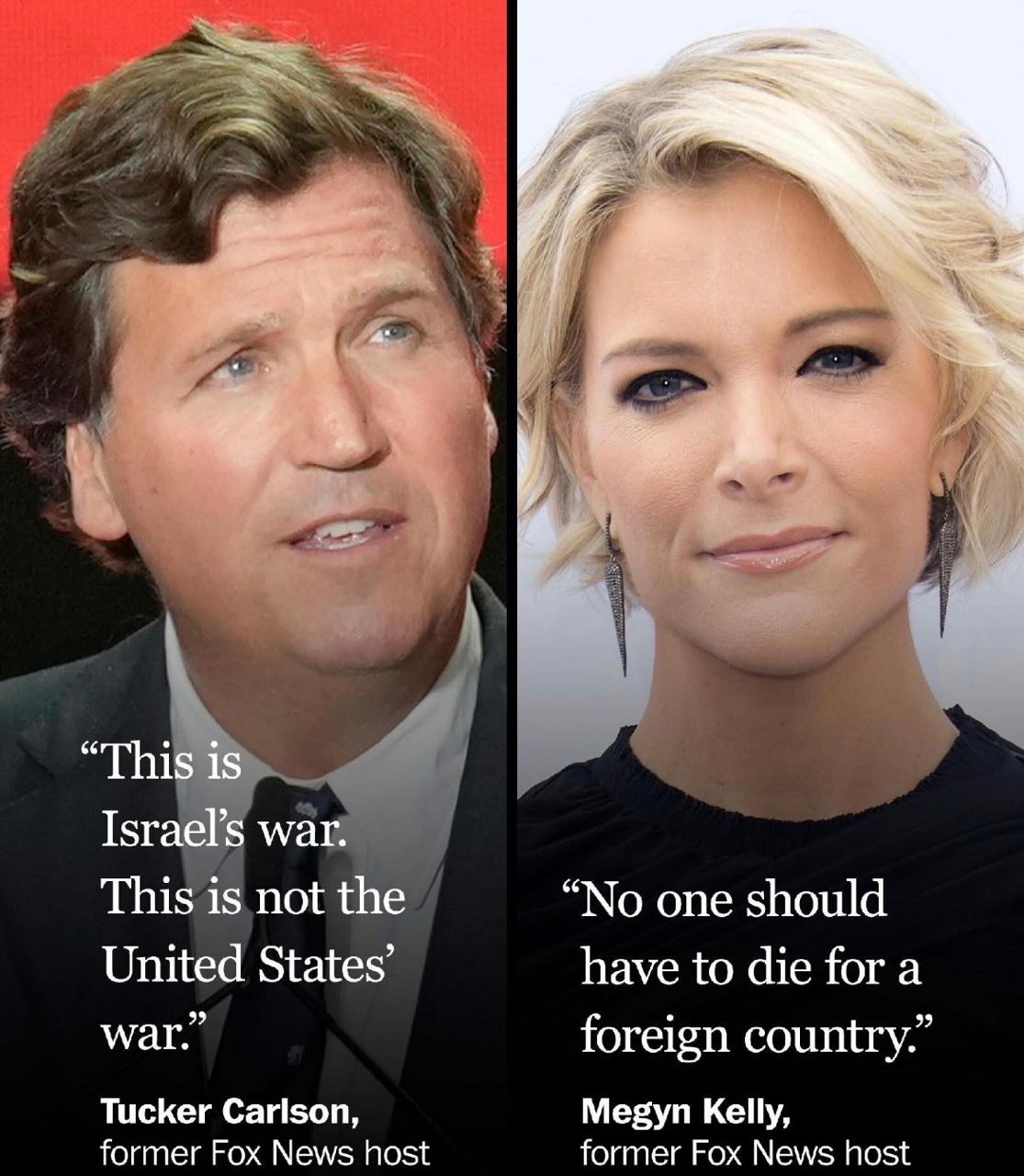
These figures reflect a broader reality: Islamophobia is not merely a marginal phenomenon, but part of a social climate shaped by fear, stereotypes, and at times reinforced by certain political or media narratives.
Europe facing a similar trend
The phenomenon is not limited to the United States. Europe is also experiencing a rise in hostility toward Muslims, within a context marked by migration debates, the rise of populist parties, and geopolitical tensions linked to conflicts in the Middle East.
Several international reports indicate that Europe has become one of the main hotspots of Islamophobic incidents in recent years.
In the United Kingdom, anti-Muslim assaults increased by 73% in 2024, according to organizations monitoring hate crimes.
Official data also show that 45% of religious hate crimes recorded in England and Wales target Muslims, with a 19% increase in one year.
Across the European Union, discrimination is particularly visible in employment and housing. Surveys indicate that 39% of Muslims report experiencing discrimination when seeking employment, a noticeable rise compared with previous years.
The role of political polarization and identity-based narratives
In several Western countries, immigration and cultural identity have become central issues in political debate. Narratives linking Islam, security, and migration increasingly appear in electoral campaigns and social media discourse.
Researchers note that such rhetoric contributes to normalizing hostility toward religious minorities. In some cases, it also fuels the spread of conspiracy theories and identity-based narratives amplified by digital platforms and populist movements.
Strategic consequences for Western countries
Beyond its social implications, this trend also raises geostrategic questions. The United States and Europe maintain strategic partnerships with numerous Muslim-majority countries across Africa, the Middle East, and Asia.
In this context, the spread of Islamophobic rhetoric can undermine Western credibility internationally and complicate efforts to build durable alliances in an increasingly multipolar world.
An internal fracture within Western societies
The rise of Islamophobia is also part of a broader dynamic of political and social polarization. In many Western countries, societies are experiencing identity tensions linked to globalization, migration, and economic transformations.
These internal fractures may be politically exploited, but they also carry risks for social cohesion and democratic stability.
Between political instrumentalization and a societal challenge
Recent history shows that waves of intolerance often emerge during periods of geopolitical uncertainty. The key question today is whether Western societies will be able to contain these dynamics and preserve the principles of pluralism and coexistence that have long been central to their democratic models.
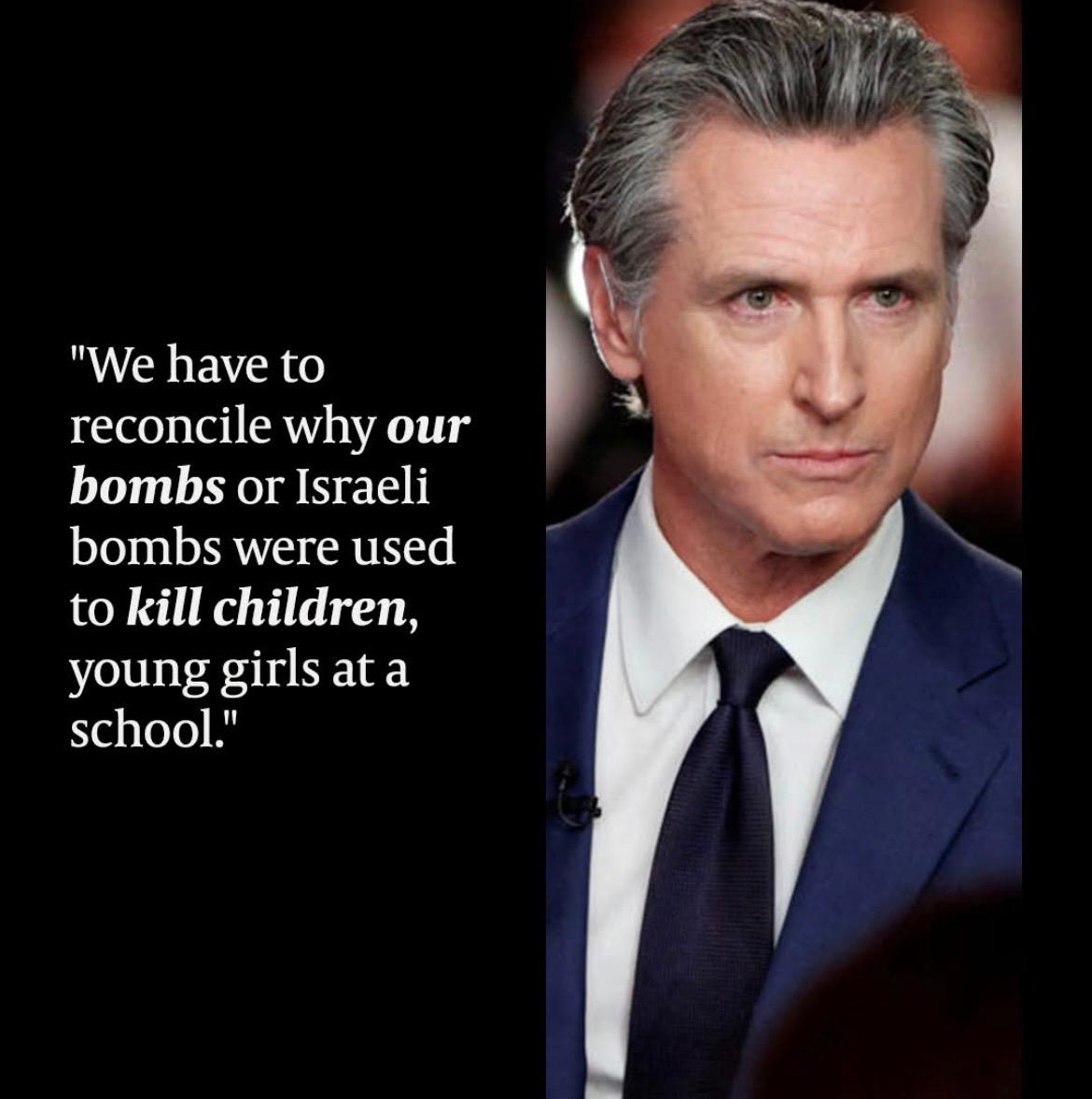
The answer will depend largely on the ability of institutions, media, and civil society to resist the normalization of hate speech and to promote a more inclusive vision of citizenship in an increasingly turbulent international environment.