New York Times
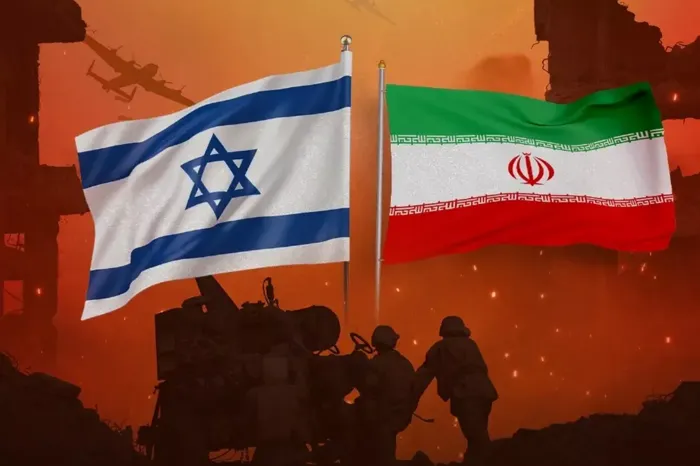
In public, Iran’s surviving leaders defiantly rejected negotiations with President Trump to halt the American and Israeli assault on their country. Yet just one day after the strikes began, members of Iran’s Intelligence Ministry indirectly contacted the CIA offering to discuss terms for ending the conflict, according to officials familiar with the outreach.
U.S. officials doubt at least in the near term that either the Trump administration or Iran is truly ready to seek a way out of the war.
Still, the offer, conveyed through a third country’s intelligence service, raises critical questions: Is any Iranian official capable of securing a cease-fire amid the chaos in Tehran, as leaders are systematically targeted by Israeli strikes?
The proposal was described to The New York Times by Middle Eastern and Western officials speaking on condition of anonymity.
The White House and Iranian officials declined to comment; the CIA also declined.
Israeli officials, seeking a weeks-long campaign to severely damage Iran’s military capabilities and possibly collapse its government, urged the U.S. to ignore the offer. In Washington, it is not viewed as serious.
After days of saying he was open to negotiations, Trump posted Tuesday that it was now “too late” for talks.
Later, he lamented that Iranian figures once seen as potential leaders had been killed.
“Most of the people we were thinking about are dead,” he said. “Soon we won’t know anyone.”
The outreach and leadership turmoil highlight Trump’s core dilemma: what kind of Iranian government does he hope to shape or accept? He appears to be shifting from the idea of a popular uprising toward a more pragmatic outcome involving figures within the existing system.
At minimum, any deal would require Iran to abandon or drastically reduce its ballistic missile and nuclear programs and its support for allied groups such as Hezbollah. In exchange, Trump hinted he might allow surviving leaders to retain economic and political influence.
He referenced Venezuela as a possible model, suggesting leadership could be “chosen” under pressure.
But that vision may be unrealistic.
Iran may not be ready for a deal. Some leaders may believe they can inflict enough pain to force a halt to the campaign.
Tensions may also exist between Washington and Israel over war aims. Israel reportedly opposes a “Venezuela-style” solution involving figures from the Revolutionary Guard, which controls much of Iran’s economy and may include pragmatic actors.
Israel struck a complex where clerics were meeting to choose a successor to Supreme Leader Ayatollah Ali Khamenei, reportedly killed Saturday.
CIA assessments before the strikes explored multiple postwar scenarios, none with high confidence.
Some policymakers dismissed the idea of opposition takeover and see Revolutionary Guard figures as more likely to dominate.
Yet repeated strikes raise doubts about who will survive.
Even if Trump resumes negotiations, Iran’s weakened state may make it hard to find someone powerful enough to commit the country to a deal.
Analysts warn of risks of fragmentation or collapse resembling Syria or Libya.
Iranians themselves could topple the unpopular regime, sustained largely through repression.
Trump initially encouraged uprising but later adopted a more cautious tone, saying the decision rests with Iranians.
Analysts caution that revolution does not guarantee a pro-U.S. liberal democracy.
Trump acknowledged the risk: “The worst scenario is someone worse comes in.”
Asked about Reza Pahlavi, son of the deposed shah, Trump seemed unenthusiastic, preferring someone already inside Iran with support.
The 1979 Islamic Revolution established a theocratic regime hostile to the U.S. and Israel.
Trump and aides argue current leaders are too radical to negotiate with.
“They’re radical crazy people,” he said Monday.
If the regime survives, the question becomes whether a “more moderate partner” can emerge.
Previous presidents negotiated with perceived moderates, including Barack Obama’s 2015 nuclear deal which Trump exited in 2018.
Critics argue moderates within Iran’s system are largely illusory.
As Robert Gates once joked:
“I’ve been searching for the elusive Iranian moderate for 30 years.”