+ Targeting the path of national reconciliation and the political process
The assassination of Saif al-Islam Gaddafi, son of the late Libyan leader Muammar Gaddafi, takes place within a context that appears different in form from the various assassination operations Libya has witnessed over the past fifteen years following the fall of the Gaddafi regime. However, it aligns with previous incidents in substance, particularly in terms of the political messages embedded within it, amid the complex and multifaceted crisis shaking the Libyan scene.
This operation, which its planners and executors intended to mark as a decisive addition to the Libyan landscape through blood and bullets, came at an extremely sensitive moment characterized by the Libyan crisis sliding toward dangerous zones despite political and diplomatic efforts. It does not fall outside the framework of arrangements currently being devised at the highest regional and international levels to find a way out of the crisis, nor is it far removed from those arrangements whose understandings appear to require such developments.
The manner in which this assassination was carried out clearly places it within the broader atmosphere of Libya’s already severe crisis, which has taken a winding path since the announcement of the death of General Mohamed Al-Haddad, Chief of Staff of the Libyan army affiliated with the Western Libya government headed by Abdelhamid Dbeibah. It is also not detached from the leaks that surfaced following the secret Paris meeting between Saddam Haftar and Ibrahim Dbeibah.
Initial assessments of the assassination indicate that it was planned by professional entities and carried out by a highly trained commando unit equipped with advanced light offensive weapons and sophisticated technological capabilities. It also reflects accumulated experience and strict adherence to the protocols of such operations, making it far removed from the methods typically used by Libyan militias, whose actions are often marked by chaotic movement regardless of outcomes.
Some have even gone so far as to compare the attack on Saif al-Islam Gaddafi’s residence to the complex security operation carried out by U.S. “Delta” forces against the residence of Venezuelan President Nicolás Maduro at dawn on January 3, which ended with Maduro’s arrest and transfer to the United States, despite differences in capabilities, equipment used, and intended objectives. Notably, the assassination of Saif al-Islam came exactly one month after Maduro’s arrest.
On this basis, all estimates suggest that this assassination was nothing more than a political liquidation. It goes beyond being a mere message and is closer to a violent removal from the political scene using external tools whose interests intersected with those of local Libyan actors. Its primary aim appears to be preparing the environment for what lies ahead, and consequently retreating from all commitments stipulated in previous agreements and understandings, from Skhirat and Bouznika to Geneva, Cairo, and Tunis.
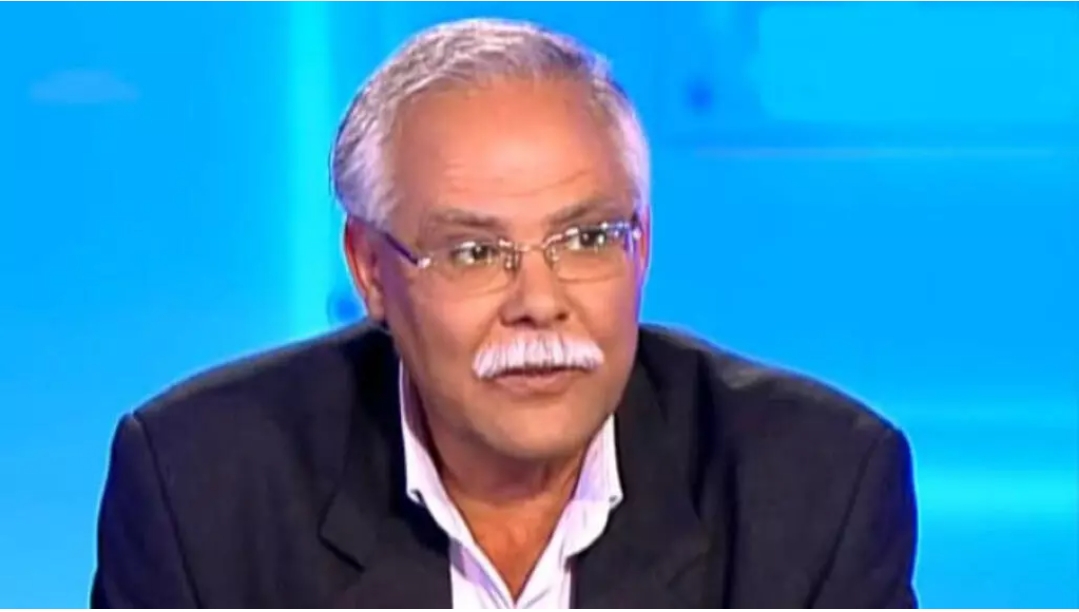
In this regard, Mahmoud Shammam, Chairman of the Board of the Libyan Al-Wasat Media Group, suggested that the decision to eliminate the son of the late leader at this particular time was a “non-local” decision. He stated that “the elimination of Saif al-Islam Gaddafi may be a decision larger than the Libyans themselves… a decision that may go beyond Libya… and that international parties may stand behind it with the aim of excluding Saif al-Islam… and that the manner of his elimination will lead to identifying the party behind it.”