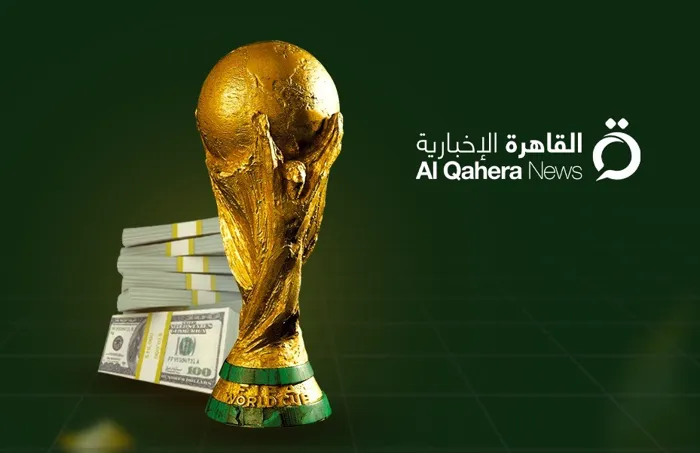
FIFA announced that it received 500 million ticket applications for the 2026 World Cup during the month-long application period that recently ended. This unprecedented demand confirms the huge popularity of the tournament, especially after the draw and the announcement of the match schedule last December.
Fans were given the opportunity to request tickets for specific matches within various categories and prices.
The World Cup tournament includes 104 matches, and FIFA intends to conduct a random draw to allocate tickets next February.
This process will determine which applicants will receive tickets from among the huge number of applications. Prior to this announcement, FIFA had sold around two million tickets during the pre-sale period of October and November 2025.
It is noted that approximately 4 to 5 million tickets are still available for the tournament.
The number of ticket requests indicates a potential demand exceeding one billion tickets, with each request containing between one and four tickets. Demand varies from match to match, and some matches generate significant interest. Among the most requested matches are: Colombia vs. Portugal, Mexico vs. South Korea, the World Cup final, Mexico vs. South Africa (the opening match), and the Round of 32 match in Toronto on July 2nd, which is expected to feature either Portugal or Colombia.
Despite the overwhelming demand, FIFA did not disclose the exact number of requests for each match, leaving fans and analysts eager to find out more.
FIFA faced criticism over its ticket prices, which ranged from $140 to $450 for lower-tier matches. This pricing system led some fans, particularly in North America and around the world, to opt for watching the event on television. Others, however, rushed to purchase tickets during the advance sale period.
In response to high demand, FIFA raised ticket prices. However, these prices remain significantly lower than those on resale platforms like StubHub and Vivid Seats. Experts believe that resale prices may fluctuate, potentially decreasing for less popular matches and increasing for high-demand ones after the official ticket allocation announcement in February.
This surge in demand likely includes some speculators seeking to profit from initial ticket sales. FIFA has attempted to address concerns about black market ticket sales by implementing application verification procedures, but the effectiveness of these efforts remains unclear.
FIFA will begin notifying fans of the random draw results on or after February 5. Winners may receive all, some, or none of the requested tickets. The tournament is scheduled to kick off on June 11 in Mexico City and conclude on July 19 in New Jersey, with matches taking place in 16 cities across the United States, Canada, and Mexico.