For years, many analysts have spoken about the neglect of African opportunities. Some have called for redefining relations, while others have emphasized investment in the continent. However, when Africa’s importance and Iran’s role there are discussed, attention usually focuses on North African countries such as Egypt, Libya, Algeria, and Morocco. These countries share religious and cultural ties with Iran and have been less influenced by Western culture, yet this path remains full of challenges.
Several North African states claim regional influence over their southern neighbors and, even if allied with Iran, would not allow it to exert broad political and security influence. Other countries maintain highly complex relations with Iran, making redefinition difficult, while instability in places like Libya further complicates engagement.
Today, however, a strategic opportunity has emerged for the Islamic Republic of Iran, though its duration remains uncertain. This opportunity lies in the Sahel states.
The Sahel is the geographic belt separating Sub-Saharan Africa from North Africa, stretching from Mauritania on the Atlantic coast to Sudan and Eritrea on the Red Sea. The region is currently a hotspot of major geopolitical developments.
Sudan remains embroiled in civil war, with global and regional powers backing opposing sides: the army, supported by China, Russia, Saudi Arabia, and Turkey, versus the Rapid Support Forces, backed by the West and the United Arab Emirates.
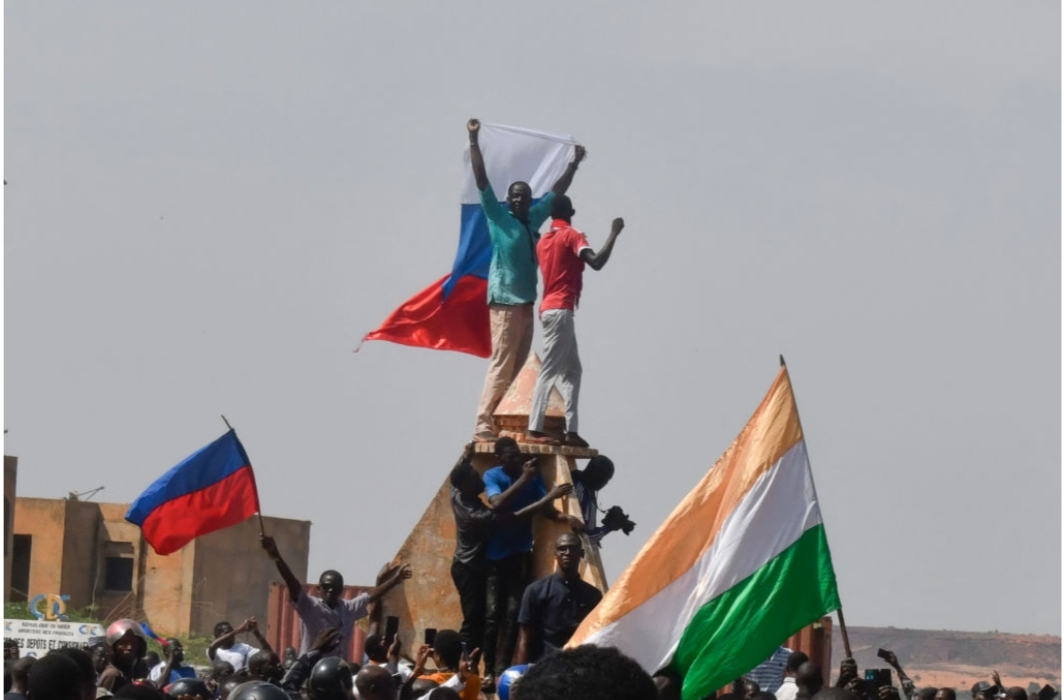
Following a wave of coups, a new Sahel alliance emerged, beginning in Mali under Assimi Goïta, then in Burkina Faso led by Ibrahim Traoré, and later in Niger under Abdourahamane Tiani.
The alliance introduced passport-free movement, nationalized gold mining, restricted foreign land ownership, abandoned the CFA franc, and invested in domestic industries. These steps provoked strong Western reactions and increased destabilization efforts.
For Iran, the Sahel represents the most promising opportunity for engagement in Africa, following paths already taken by China and Russia. Iran’s extensive experience in counter-terrorism, coupled with proactive diplomacy, could evolve into broad economic and geopolitical cooperation.
Covering nearly 2.7 million square kilometers and home to around 80 million people, the Sahel alliance offers Iran a strategic base to expand its influence in Africa. Reports also suggest that Saudi Arabia and Qatar are expected to increase their investments and diplomatic engagement in the region.
Source: Al waght.net