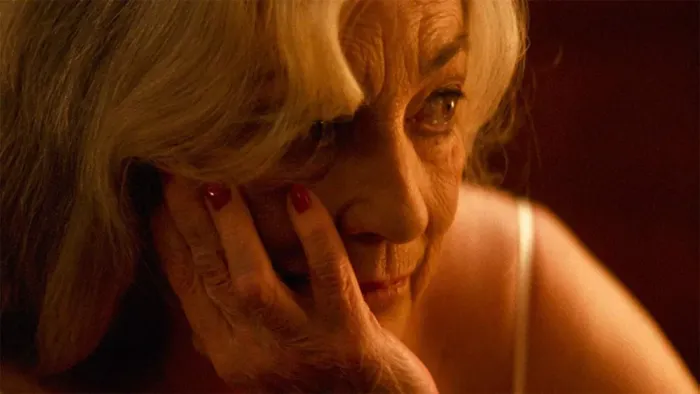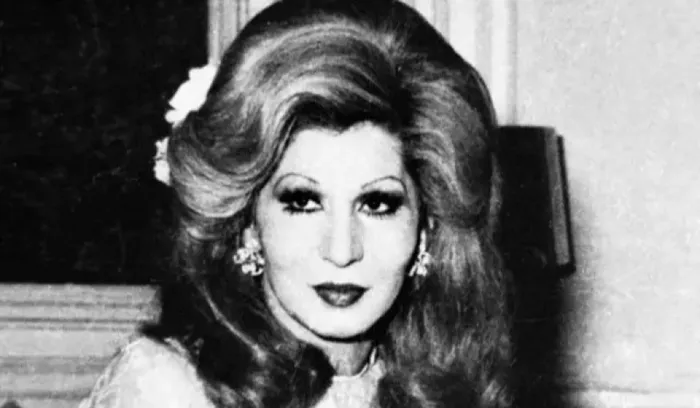
Fayza Ahmed was not just a singer with a strong voice and a charming presence, but a rare artistic and human phenomenon, combining tenderness and toughness, melancholy and strength, and overwhelming ambition with calm features that concealed a long struggle with life.
She was born to sing, and she sang to remain. Circumstances could not break her, and time did not stand in the way of her voice, which came out of Damascus to carry the warmth of the entire East, then soared high in the sky of Cairo, before her name was cemented in the memory of Arab art as one of the most sincere and immortal voices.
Childhood and beginnings
Faiza Ahmed was born on this day in 1934 into conservative family circumstances, which made her dream of art a kind of adventure fraught with obstacles. She moved between Beirut and Damascus since her childhood, finding herself drawn to the world of singing despite her father’s strict objection, who strongly prevented her from entering the artistic community. However, her strong personality from a young age drove her to challenge him.
She did not succeed before the first listening committee at Damascus Radio, so she traveled to Aleppo in search of another opportunity. There she succeeded and her voice spread quickly, before she returned to Damascus as an accredited singer, and began her first serious steps after training under the composer Muhammad Al-Naami.
The birth of a fearless talent
Faiza performed a number of songs in the Iraqi dialect in Baghdad after collaborating with the musician Reda Ali, before making the decisive decision to travel to Cairo, the city that makes stars.
She was a young woman in her twenties, but she appeared to the artistic community as if she knew her way well. Radio broadcaster Salah Zaki introduced her to Egyptian radio, and her voice was presented to the listening committee, which included the musician of generations, Mohamed Abdel Wahab. He was impressed by her talent, but he pointed out the need to choose a style that suited her vocal nature, and that advice was the beginning of the most important musical relationship in her life.
Al-Mawji… the partner who shaped her voice
She met the musician Mohamed El Mougy, who understood her talent and saw in her what no one else saw. He began a new phase of art with her and created timeless works for her that became part of the Arab musical heritage, including: “My heart is inclined to you,” “The moon is always at the door,” and “The house of glory.”
She also sang songs composed by Kamal Al-Tawil, Baligh Hamdi, and Mahmoud Al-Sharif. Al-Sunbati presented her with a luxurious Tarab style, while Abdel Wahab gave her masterpieces that are still sung today, such as “Set El Habayeb,” “Ya Ghali Alaya,” and “Qadart Tehjar.”
Cinema: a small presence but a powerful impact
Faiza appeared in a number of films that are etched in the public’s memory, such as: Tamr Henna, “Me and My Daughters”, The Poor Millionaire, Catch the Thief, and My Wife’s Groom.
She wasn’t a classic actress, but she had a camera-capturing presence and a voice that made the viewer part of the scene.
An unforgettable love story… Faiza and Sultan
Her relationship with composer Mohamed Sultan was one of the most beautiful stories of Arab art. They married in 1963, and a great love and rare artistic harmony brought them together. Sultan presented her with a number of her most successful songs, and Fayza reciprocated with emotional and human support, which he described as the reason for his fame and beginnings.
She gave birth to twins, Tariq and Omar, and their marriage lasted 17 years, ending in divorce in 1981, before they returned to continue their lives together until her death. Sultan remained faithful to her until the last day of his life.
Departure… and a voice that never dies
Faiza Ahmed passed away on September 21, 1982, after a struggle with illness, but her passing did not extinguish her presence. Her voice remained as pure as it first came out, and her personality remained an example of willpower when talent becomes destiny.